
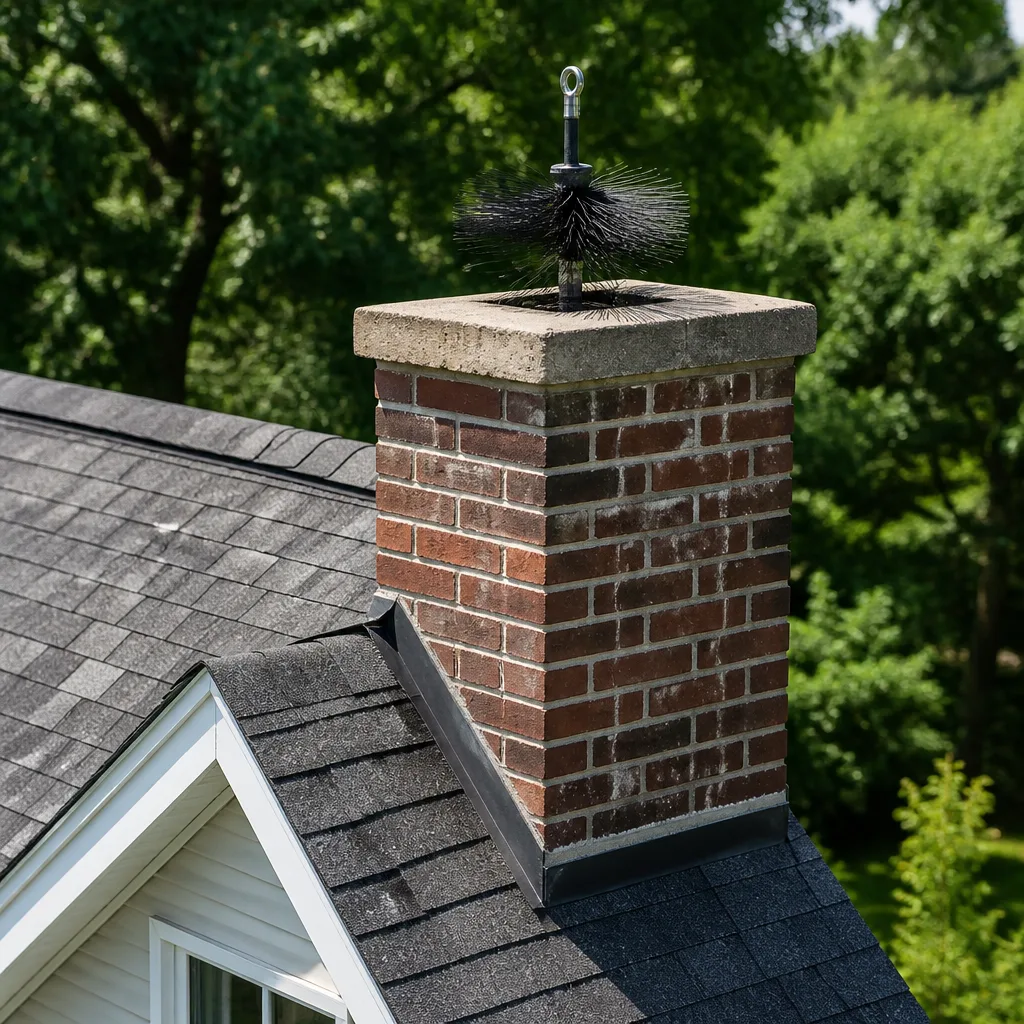
 Sweep & inspection
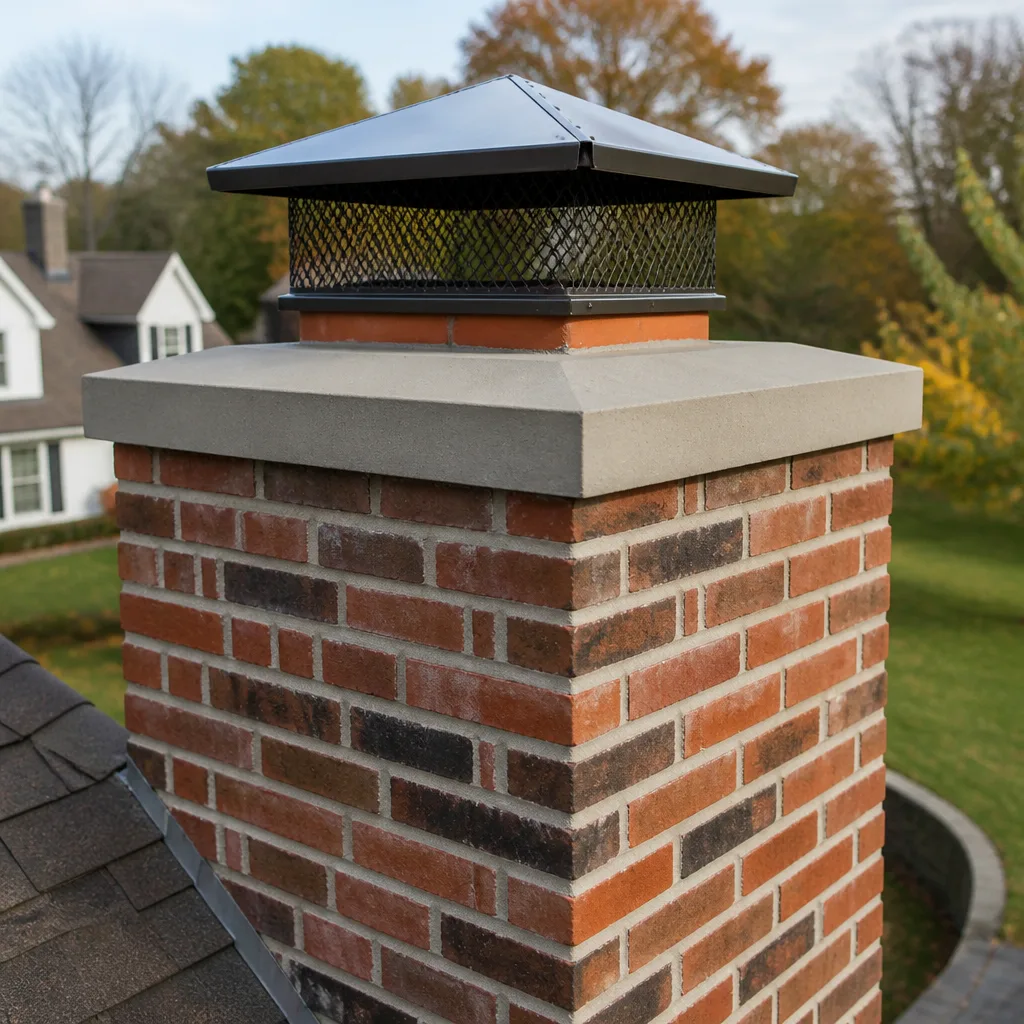 Caps & crowns
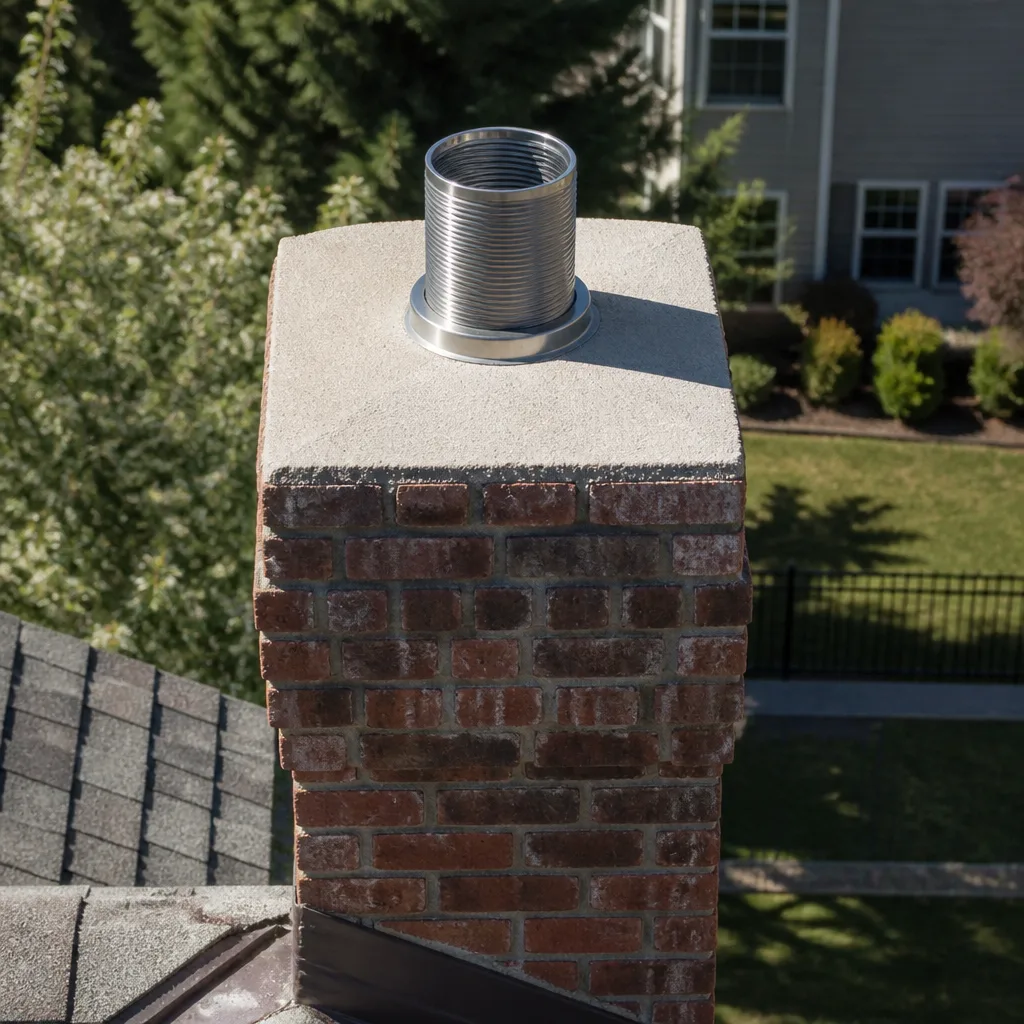 Flue relining
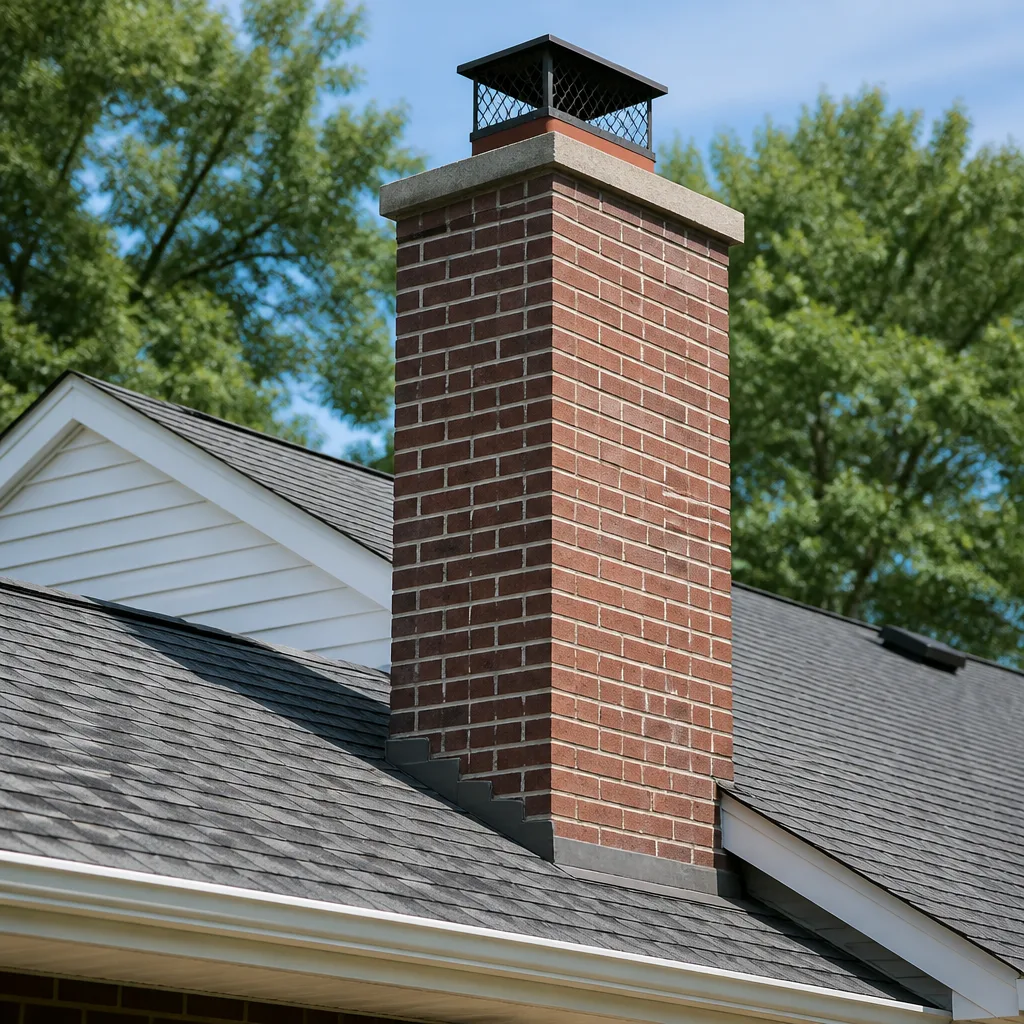 Masonry repair
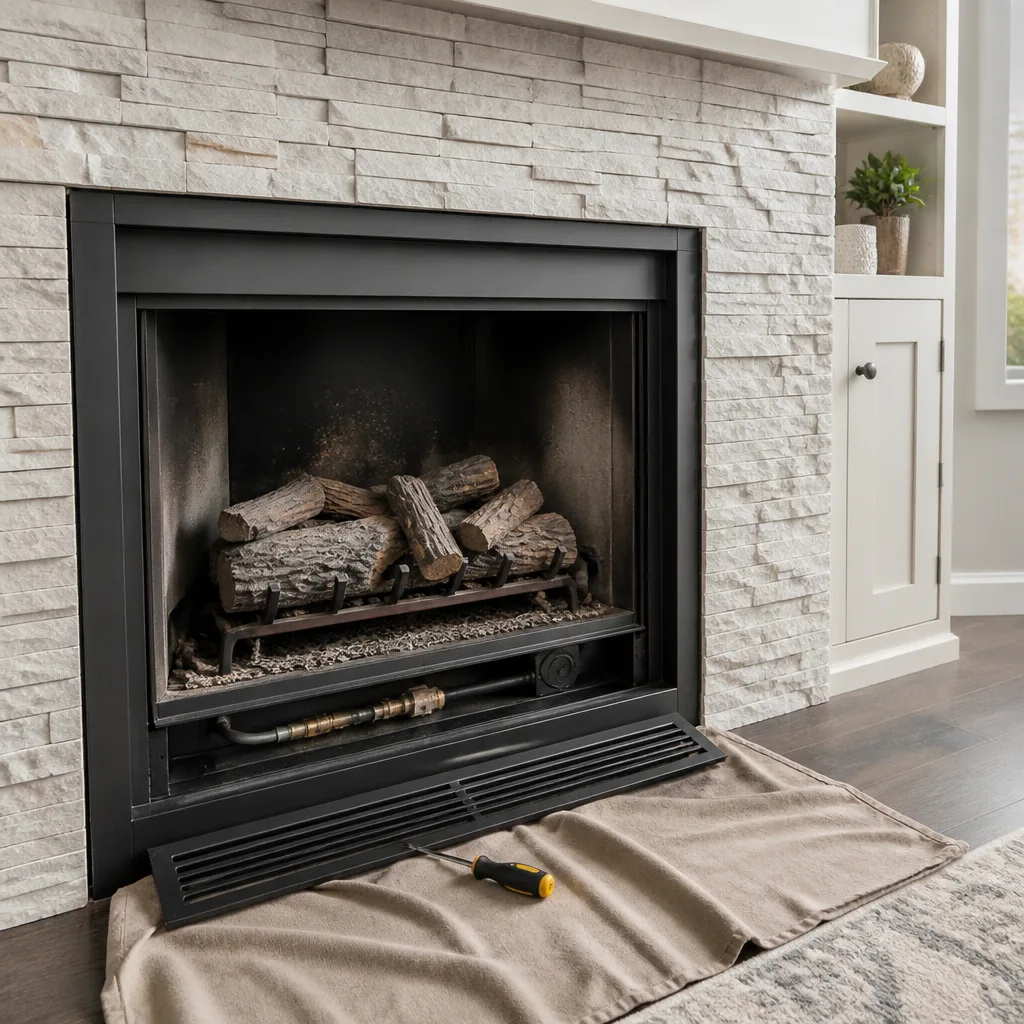 Gas fireplace service
Level 1 sweep and inspection to the NFPA 211 annual standard - flue, crown, cap, and flashing checked and photographed
Chimney sweep logs do not sweep chimneys. They loosen some creosote - which then falls where a brush and vacuum still have to collect it.
Styles & brands we work with
- Sweep & inspection
- Caps & crowns
- Flue relining
- Masonry repair
- Gas fireplace service
See the difference
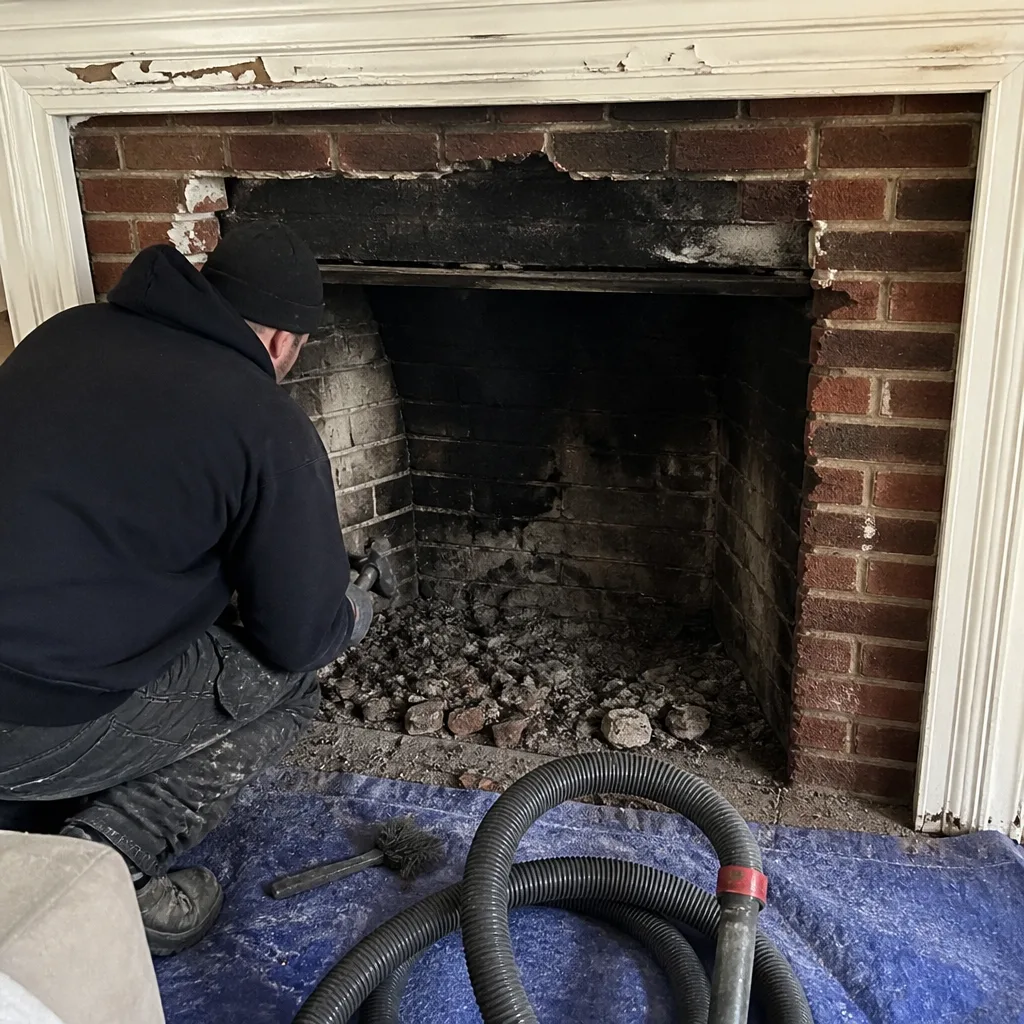 Before
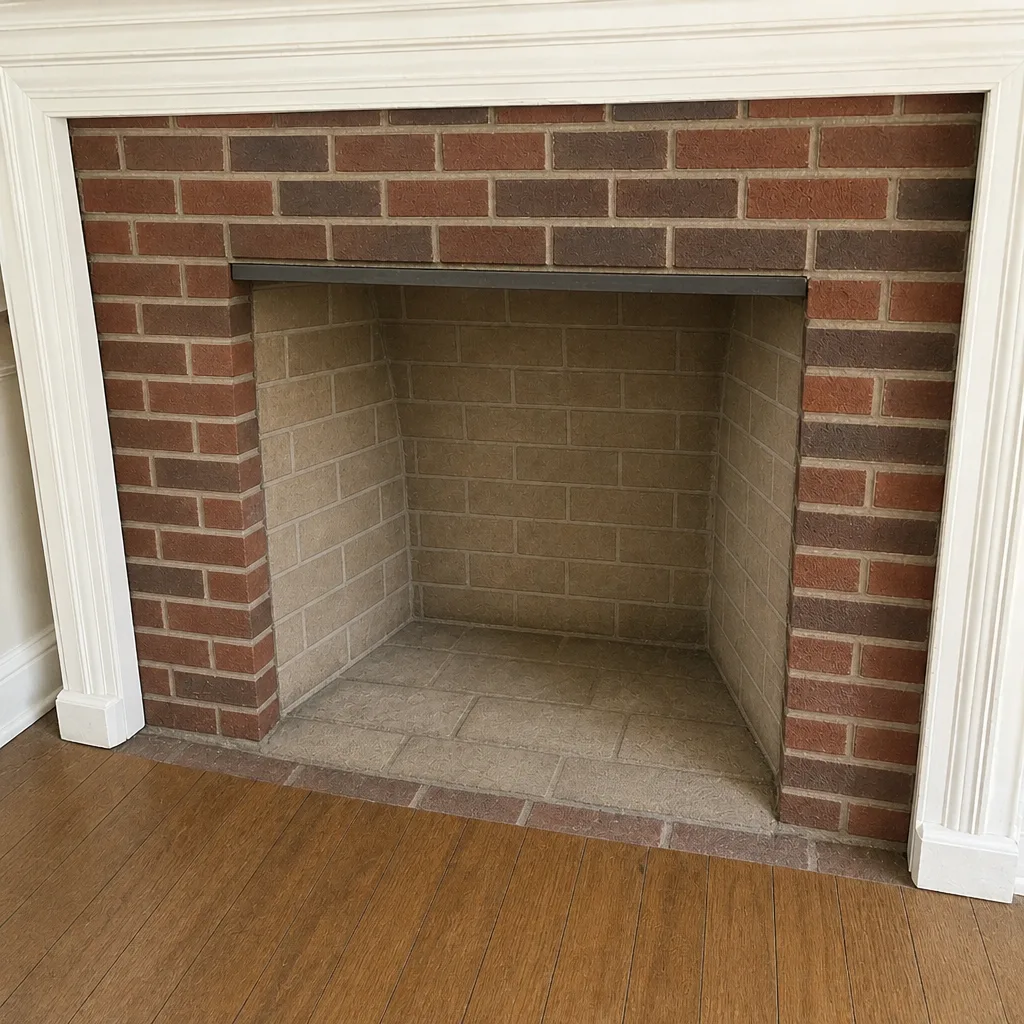 After
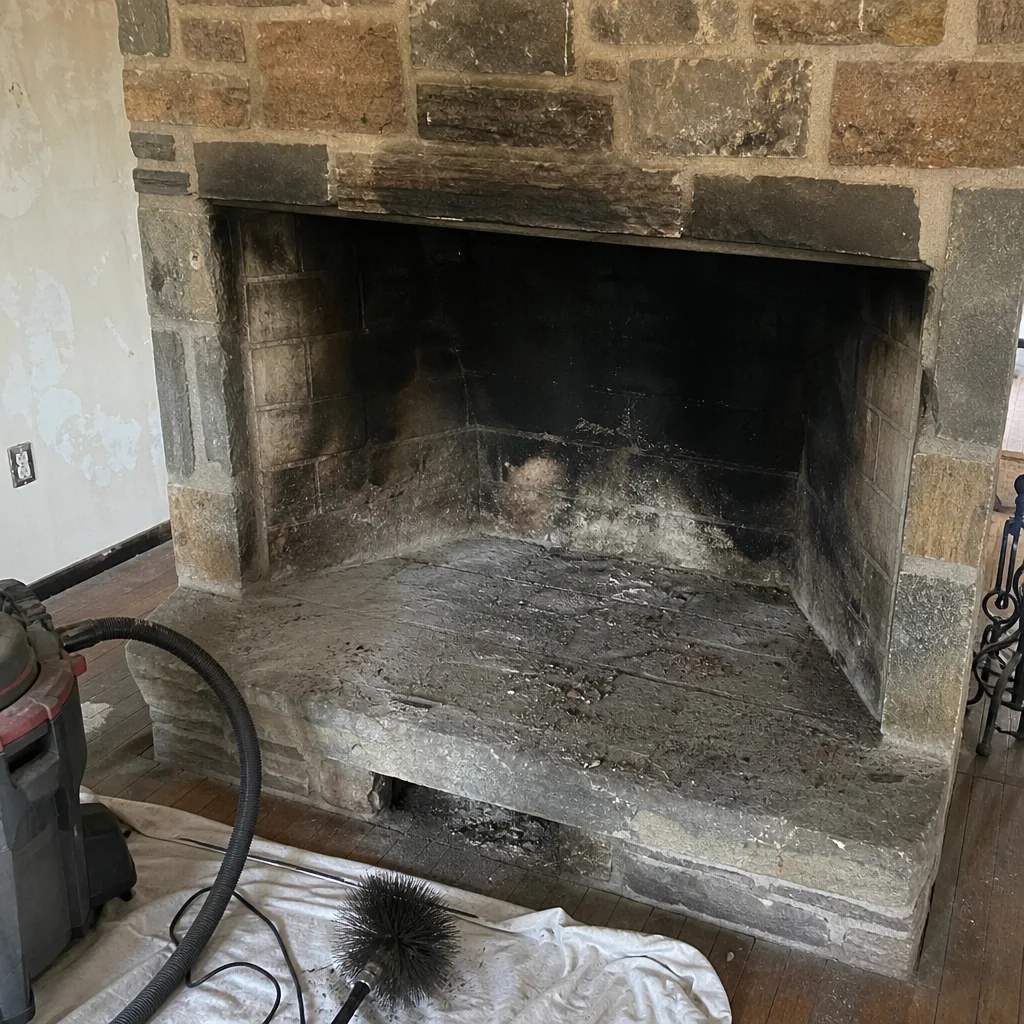 Before
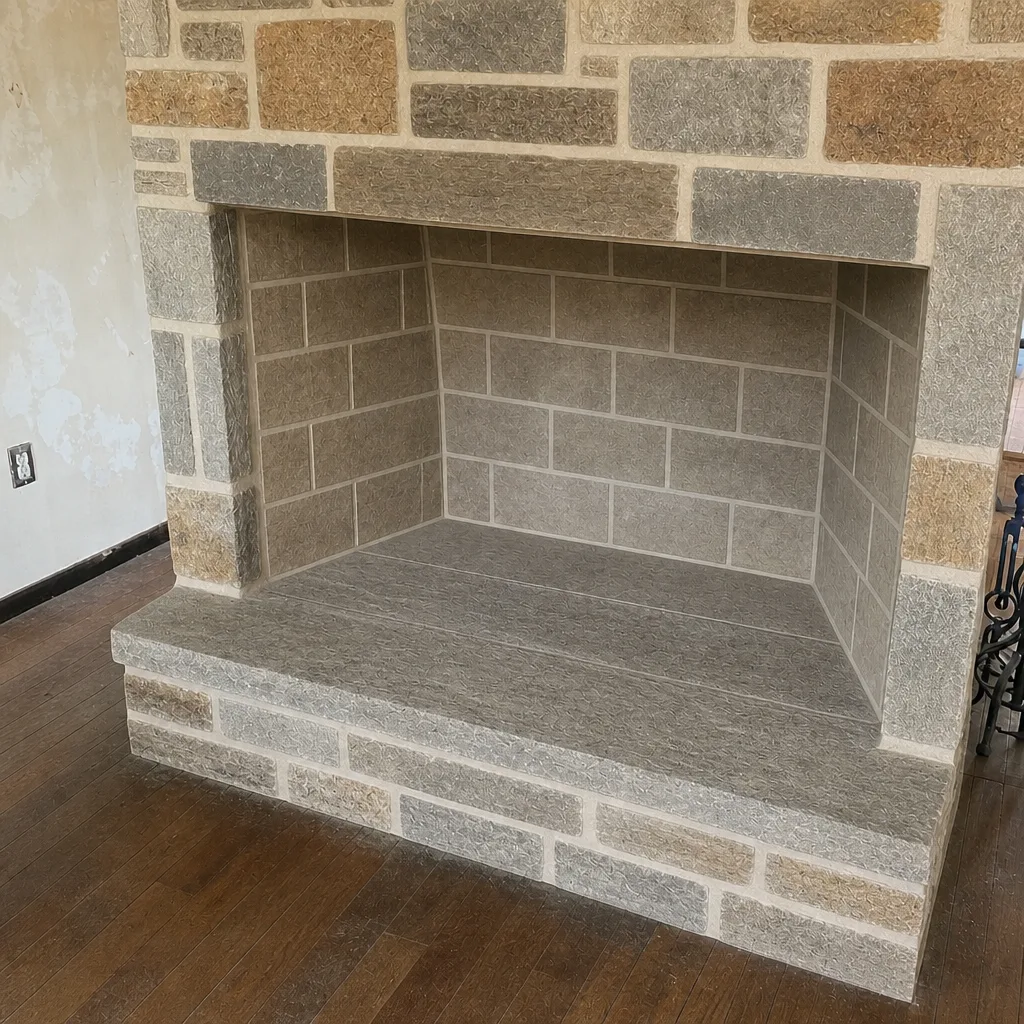 After
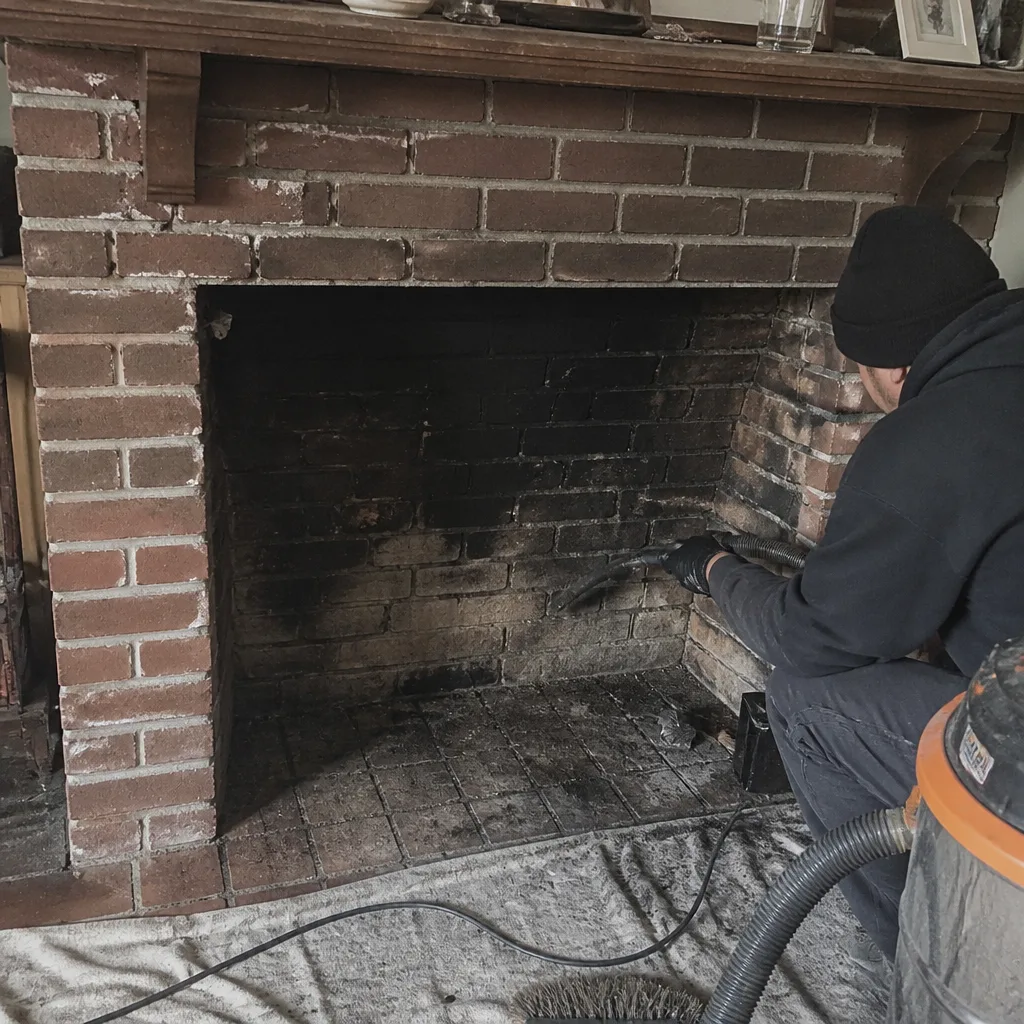 Before
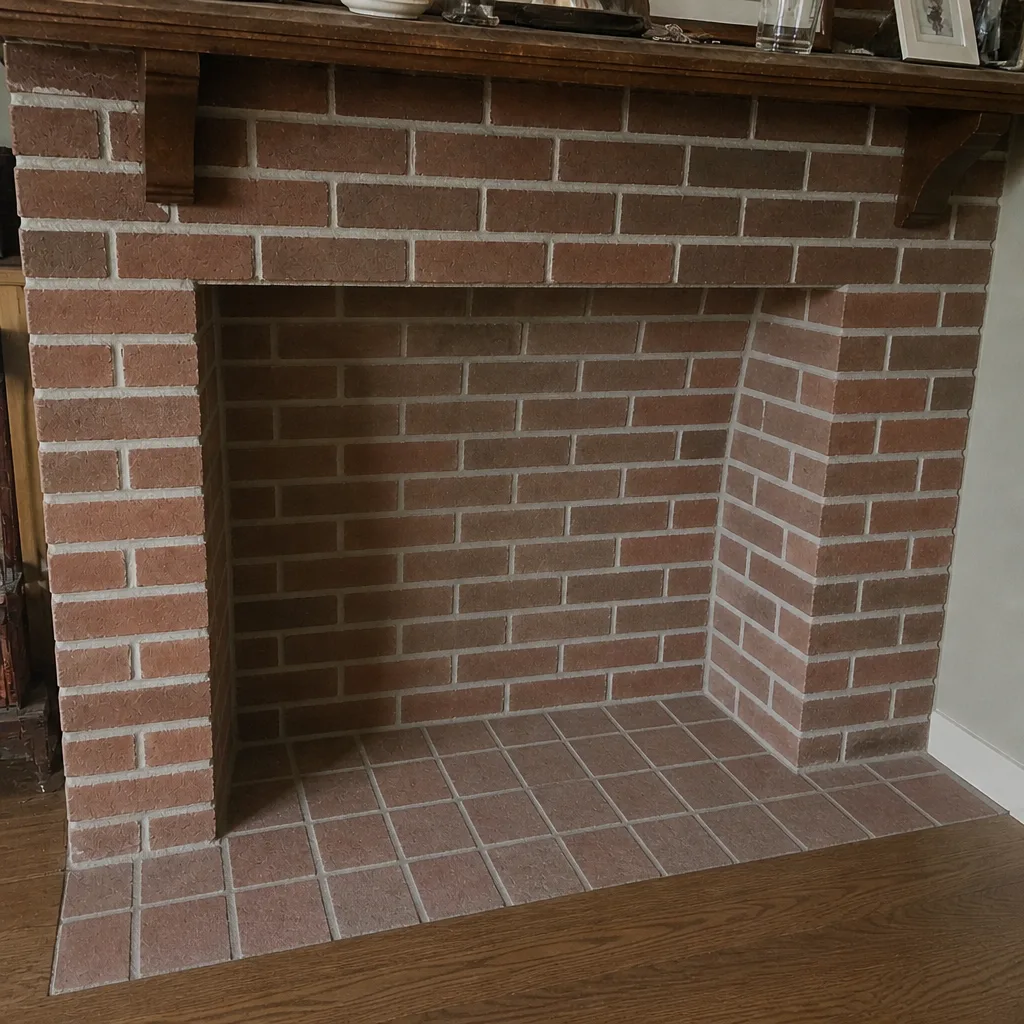 After
How Much Does Chimney Cleaning Cost in Coney Island?
Chimney cleaning in Coney Island typically costs $180 to $350 for a standard sweep of a working fireplace flue, and $250 to $450 when the job includes a Level 1 inspection written up for a home sale or insurance file. A heavily creosote-loaded flue, a wood stove insert, or a flue that needs a rotary cleaning runs higher, usually $350 to $600. Those ranges cover the sweep itself; anything the technician finds inside the flue is quoted separately, in writing, before any repair work starts.
Chimney Cleaning Cost Breakdown (2026)
Most Coney Island homeowners want to know three things: what the sweep costs, what the inspection adds, and what happens if the technician finds something. Here’s how the line items break out for this market in 2026.
| Service | Typical Price Range | What It Covers |
|---|---|---|
| Standard chimney sweep (one flue) | $180 – $350 | Brush and vacuum cleaning of a fireplace flue with normal soot and light creosote |
| Sweep plus Level 1 inspection | $250 – $450 | Cleaning plus a visual check of the firebox, damper, flue, cap, and crown with a written report |
| Heavy creosote removal (Stage 2 or 3) | $350 – $600 | Rotary or chemical-assisted cleaning when glaze has bonded to the flue walls |
| Wood stove or insert flue cleaning | $300 – $550 | Disassembly around the insert, baffle removal, and a longer flue run |
| Multi-flue cleaning (second flue, same visit) | $100 – $200 added | Additional flue cleaned during the same appointment |
| Chimney cap installation | $250 – $600 | Stainless or copper cap fitted to the flue; priced by size and material |
| Crown repair or rebuild | $450 – $1,500 | Crack sealing up to a full crown pour, depending on the extent of the damage |
| HeatShield liner resurfacing | $1,200 – $2,800 | Ceramic resurfacing of a damaged clay liner where the flue is otherwise sound |
| DuraFlex stainless liner installation | $2,000 – $4,500 | Full reline for a cracked or deteriorated flue, priced by height and diameter |
What pushes a cleaning upward in Coney Island is rarely the sweep labor itself. It’s what the technician finds once the flue is open and lit: glazed creosote that resists a standard brush, a flue sized for an old coal-era fireplace that now serves a modern stove, or a crown that has cracked and let water into the masonry. What keeps it near the low end is a flue that gets swept on a regular schedule and burns dry, seasoned wood. We give a written estimate before any repair line begins, and the estimate sets the final price.
Our technicians have up to 15 years of experience, and the sweep and the inspection come from the same people who do the repair work. That matters for pricing because an inspection performed by a sweep-only operation tends to stop at “you need a liner.” An inspection backed by real repair experience can tell you whether the flue needs a full reline or whether HeatShield resurfacing will hold the existing clay, which is a difference of well over a thousand dollars on most jobs.
What Affects Chimney Cleaning Pricing in Coney Island
Coney Island’s housing stock shapes chimney work in ways that don’t show up in a national price chart. Here are the factors that move the number most.
- Building type and flue access. Much of the housing around Coney Island is attached rowhouse and low-rise apartment construction, and a shared chimney stack serving two or three units changes the job. The technician may need roof access from an adjoining unit, or the flue may be shared with a neighbor’s appliance. Either one adds setup time, and setup time is labor.
- Creosote stage. Stage 1 soot brushes out quickly. Stage 2 flaky creosote takes longer. Stage 3 glazed creosote is a different job entirely, sometimes needing chemical treatment before the flue can be swept safely, and it prices at the top of the range.
- Flue condition found during the sweep. A cleaning is a diagnostic moment. Cracked clay tile, a missing flue cap, or a spalled crown discovered mid-sweep leads to a repair quote. The sweep price doesn’t change, but the visit total can.
- Wood stove versus open fireplace. A wood-burning stove or insert has to be opened up before the flue can be cleaned, and the baffle and pipe joints reassembled afterward. That’s real time, and it’s why stove cleanings price above open-fireplace sweeps.
- How long since the last sweep. A flue swept every year stays near the base price. A flue that hasn’t seen a brush in five years usually doesn’t, because the deposit load is heavier and the technician has to work more slowly to avoid damaging tile.
- Whether a written inspection report is needed. A report for a real estate closing, a co-op board, or an insurance file takes documentation time beyond the cleaning. It’s worth asking for it upfront so it’s built into the quote rather than added later.
How to Save on Chimney Cleaning
The cheapest chimney cleaning in Coney Island isn’t the lowest quoted number. It’s the sweep that catches a $250 crown repair before it becomes a $4,000 liner and masonry job. With that in mind, here’s what actually keeps the cost down.
- Book the sweep before the heating season. Late-summer and early-fall appointments are easier to schedule than the crush that comes with the first cold snap, and you’re not competing for a slot when something goes wrong in January.
- Burn dry wood. Seasoned firewood produces far less creosote than green or unseasoned wood. Less creosote means a faster sweep and a lower chance of hitting Stage 3 pricing.
- Ask for the inspection while the technician is already on the roof. Bundling a Level 1 inspection with the sweep costs less than booking two separate visits, and it’s the single best way to catch a cap or crown problem early.
- Fix the cap before the crown. A missing or rusted chimney cap lets water and animals straight into the flue. A cap installed now is a fraction of what a crown rebuild costs later. We handle cap and crown work alongside cleaning so the weatherproofing closes in one visit rather than three.
- Get the estimate in writing. Free estimates mean you can compare a sweep-and-inspect quote from a chimney specialist against a generalist’s number without pressure. Call (855) 342-5978 and we’ll put the range in writing before anyone climbs.
When you’re comparing quotes, ask what product line the company installs. We name the brands we install because materials matter as much as labor. We work with DuraFlex, HeatShield, Gelco, Olympia Chimney, Famco, and Copperfield, all recognizable names in the professional chimney trade, and none of them are the big-box substitutes that show up in the cheapest quotes. A sweep that names its materials is a sweep that will still be available when the liner needs attention.
What’s Included in a Professional Chimney Cleaning?
A proper sweep covers more than running a brush up the flue. Here’s what a Coney Island cleaning includes when it’s done as a full service rather than a quick brush-and-go.
- The firebox, damper, and smoke shelf are cleaned and the ash is removed.
- The flue is brushed with the correct size and type of brush for its shape and liner material, with a HEPA vacuum running to keep soot out of the room.
- The technician checks the flue interior for cracked tile, gaps, and creosote staging.
- The chimney cap, crown, and flashing are checked from the roof. A missing cap or a cracked crown gets flagged with a photo and a repair range.
- You get a plain-language summary of what was found and what, if anything, needs attention.
A chimney-only specialist does this work with the repair side in view. That’s the difference between a checklist and a diagnosis. Generalist handyman services that add chimney cleaning as a sideline rarely carry the camera equipment or the liner knowledge to tell you the difference between a flue that needs resurfacing and one that needs a full reline. If you want the full scope in one place, chimney sweep Gravesend handles sweep, inspection, cap, crown, liner work, and fireplace repair under the same roof.
When Does a Cleaning Turn Into a Repair?
Most cleanings stay cleanings. Some don’t, and the honest ones are the ones where the technician tells you what they found and why it matters, then puts a number on it before touching a tool.
Three findings come up most often in Coney Island homes. First, a cracked or spalled crown, which is the concrete cap at the top of the masonry. Water gets in, freezes, expands, and the crack widens. Crown repair runs $450 to $1,500 depending on how much of the crown has to be rebuilt. Second, a deteriorated clay liner. If the tile is cracked but the flue structure is sound, HeatShield ceramic resurfacing at $1,200 to $2,800 can restore it without a full tear-out. If the liner is too far gone or the flue is unlined, a DuraFlex stainless liner at $2,000 to $4,500 is the durable answer. Third, a missing or damaged cap, which lets rain, birds, and squirrels into the flue. A cap at $250 to $600 is the least expensive fix on the list and prevents the most expensive problems.
What separates a repair-grade recommendation from a sales pitch is whether the company can actually do the work. A sweep-only operation that hands you off to a second contractor for the liner loses the thread somewhere between the inspection and the install. One specialist for the full chimney, cleaning through weatherproofing, keeps the diagnosis and the repair connected.
Chimney Safety: Why the Sweep Isn’t Optional
Creosote is the reason chimney cleaning exists. It’s a tar-like byproduct of wood combustion that builds up on flue walls, and at Stage 3 it’s glazed, hard, and highly flammable. A flue with heavy creosote is a fire waiting for the right conditions. This is a genuine safety issue, not a maintenance upsell, and it’s not something to handle with a consumer brush kit from a hardware store. The flue geometry, the liner material, and the creosote stage all determine how the cleaning has to be done, and doing it wrong can crack tile or leave deposit behind.
For the same reason, we don’t walk homeowners through opening a flue, removing a stove baffle, or working on a chimney from a roof. Those are jobs for a trained professional with the right equipment and fall protection. What you can do safely is check the firebox for obvious cracks, make sure the damper opens and closes freely, confirm the cap is present and intact from the ground, and keep a yearly sweep on the calendar. If you smell a strong creosote odor in warm weather or see black staining on the chimney exterior, that’s a reason to book a sweep sooner rather than later.
How Often Should You Get a Chimney Cleaned in Coney Island?
Once a year for an actively used fireplace, and more often if you burn heavily. That annual sweep is also the moment to schedule the inspection, because a flue that’s been checked this year is a flue you can burn in with confidence this winter. Homes that burn wood as a primary heat source, or that have a wood stove running most of the cold months, should consider a mid-season check as well.
If you’re buying or selling a home in Coney Island, a sweep and Level 1 inspection report is often requested as part of the transaction. Booking it as a combined visit rather than two separate appointments is the cost-effective route, and it gives the buyer a documented flue condition rather than a verbal “it looked fine.”
Why Choose a Chimney Specialist for the Cleaning?
Any company with a brush can push soot out of a flue. Fewer can tell you whether the flue is safe to use, what the cap and crown look like from the roof, and what the liner needs if it’s failing. That’s the case for a dedicated chimney and fireplace specialist over a generalist.
We stock and install professional-grade product lines, including DuraFlex, HeatShield, Gelco, Olympia Chimney, Famco, and Copperfield. These are the materials used by certified chimney institutes and specified in trade-level repair work, not the substitutes that appear in the lowest bids. HeatShield in particular is the industry’s leading ceramic resurfacing system, and it’s a product and skill set most sweep-only companies don’t offer. One specialist for the full chimney means the cleaning, the inspection, the cap, the crown, the liner, and the fireplace repair all run through the same relationship, with the same accountability across the whole scope.
Our technicians have up to 15 years of experience, and the local pros we connect you with are licensed and insured as their state requires. We answer 24/7. Fast dispatch from 7am to 7pm, Sunday through Friday, and we’re closed Saturday. Estimates are free, and the written estimate sets the final price.
FAQs – Chimney Cleaning Cost
How much does chimney cleaning cost in Coney Island?
Chimney cleaning in Coney Island typically costs $180 to $350 for a standard sweep of a single fireplace flue, and $250 to $450 with a Level 1 inspection included. Heavy creosote, a wood stove insert, or a multi-flue visit pushes the total higher, usually $350 to $600. Call (855) 342-5978 for an exact quote. Estimates are free.
Is it cheaper to repair or replace a chimney liner?
Repair is usually cheaper when the flue structure is sound: HeatShield ceramic resurfacing runs $1,200 to $2,800 against $2,000 to $4,500 for a full DuraFlex stainless reline. If the clay tile is cracked through or the flue is unlined, resurfacing won’t hold and a reline is the right call. Call (855) 342-5978 and we’ll tell you which one your flue actually needs, with a written estimate before any work begins.
Does chimney cleaning include an inspection?
A basic sweep can be booked on its own, but a combined sweep and Level 1 inspection runs $250 to $450 and covers the firebox, damper, flue, cap, and crown with a written report. The inspection is where most repair problems get caught early, and bundling it with the cleaning costs less than booking two separate visits. Call (855) 342-5978 to book the combined service.
How much does creosote removal cost?
Heavy creosote removal in Coney Island runs $350 to $600. Stage 2 flaky creosote takes longer to sweep than ordinary soot, and Stage 3 glazed creosote may need chemical treatment before the flue can be cleaned safely. If you’ve gone several seasons without a sweep, call (855) 342-5978 for an honest assessment before you burn again.
Can you come today?
Same-day service is often available. We answer 24/7, with fast dispatch from 7am to 7pm, Sunday through Friday, and we’re closed Saturday. A call outside dispatch hours is booked into the next opening. Estimates are free, and the price is set per job in writing. Call (855) 342-5978.
Get a Free Chimney Cleaning Estimate in Coney Island
The price of a sweep is small next to the price of a chimney fire or a liner replacement that a yearly cleaning would have prevented. If it’s been a season or more since your flue was cleaned, book it before the heating season starts. Call Chimney Sweep Gravesend at (855) 342-5978 for a free estimate. We answer 24/7, with fast dispatch from 7am to 7pm, Sunday through Friday, and we’re closed Saturday. Estimates are free, and the written estimate sets the final price on every job, from a standard sweep to a full liner installation.
Written by the team at Chimney Sweep Gravesend.
Pricing reflects the Coney Island market as of 2026. Chimney Sweep Gravesend offers free estimates – call (855) 342-5978.
What Our Customers Say
"Fireplace had never drawn properly since we moved in. He found the damper was only opening halfway due to a bent linkage and fixed it in ten minutes."
- Yolanda Dawson"Level two inspection before we bought the house. The report was detailed enough to use as a negotiating point and he explained every photo in it."
- Renee Brooks"Cap keeps the birds out now, which after two springs of scratching noises is worth every penny."
- Daniela Martinez