
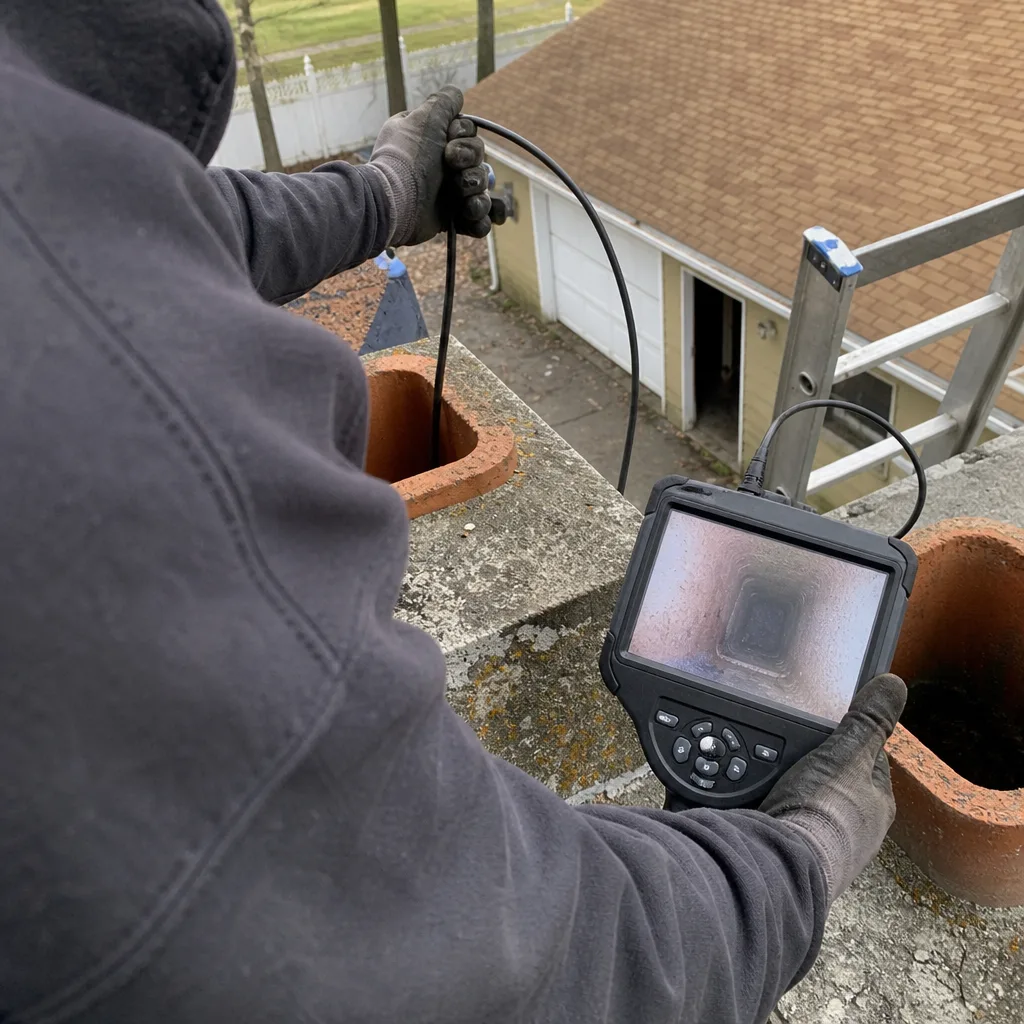
 Sweep & inspection
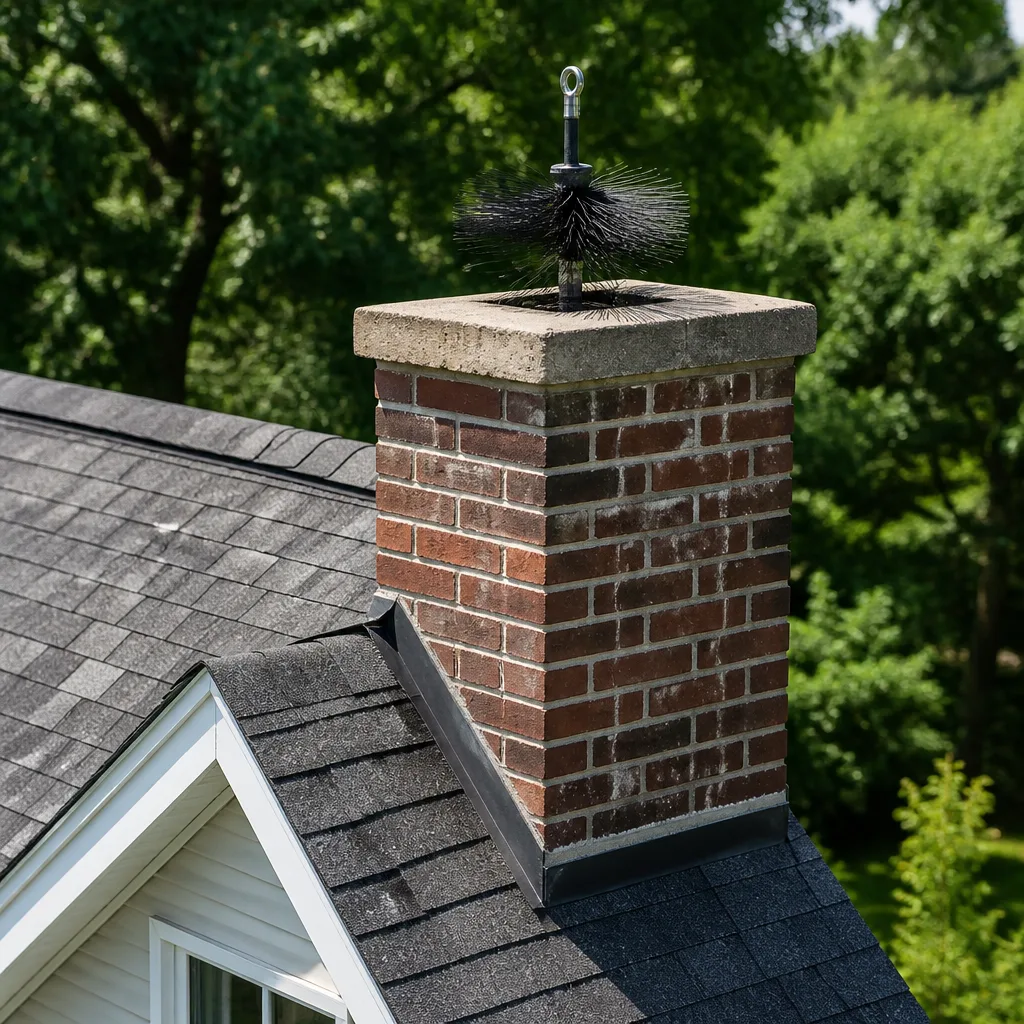
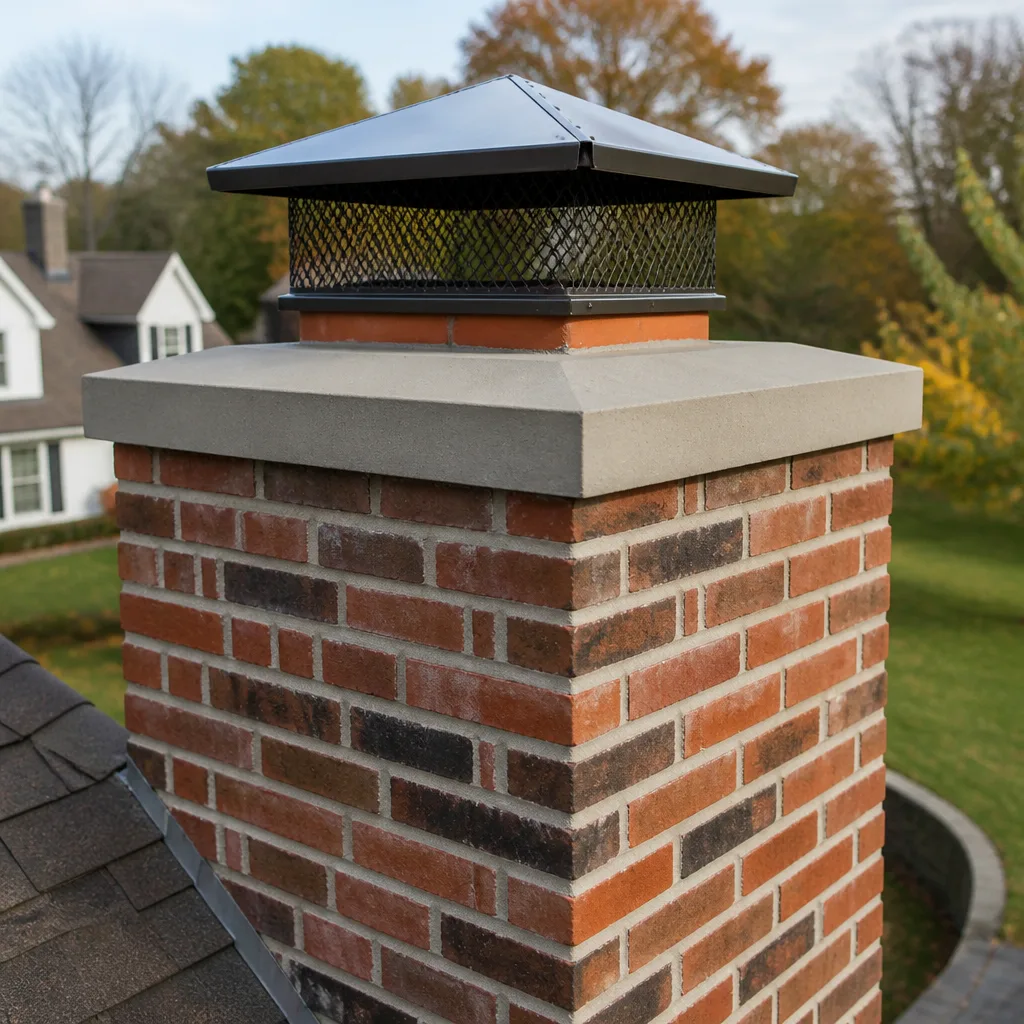 Caps & crowns
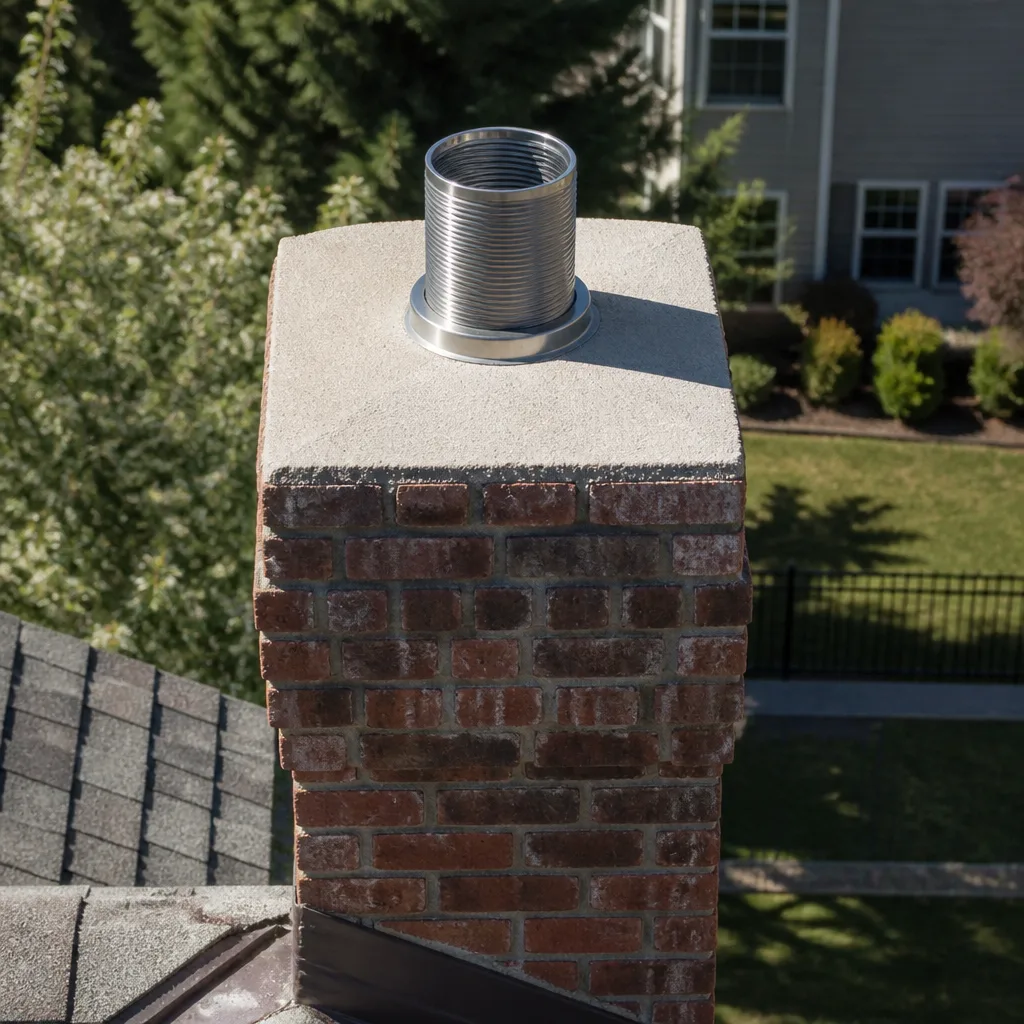 Flue relining
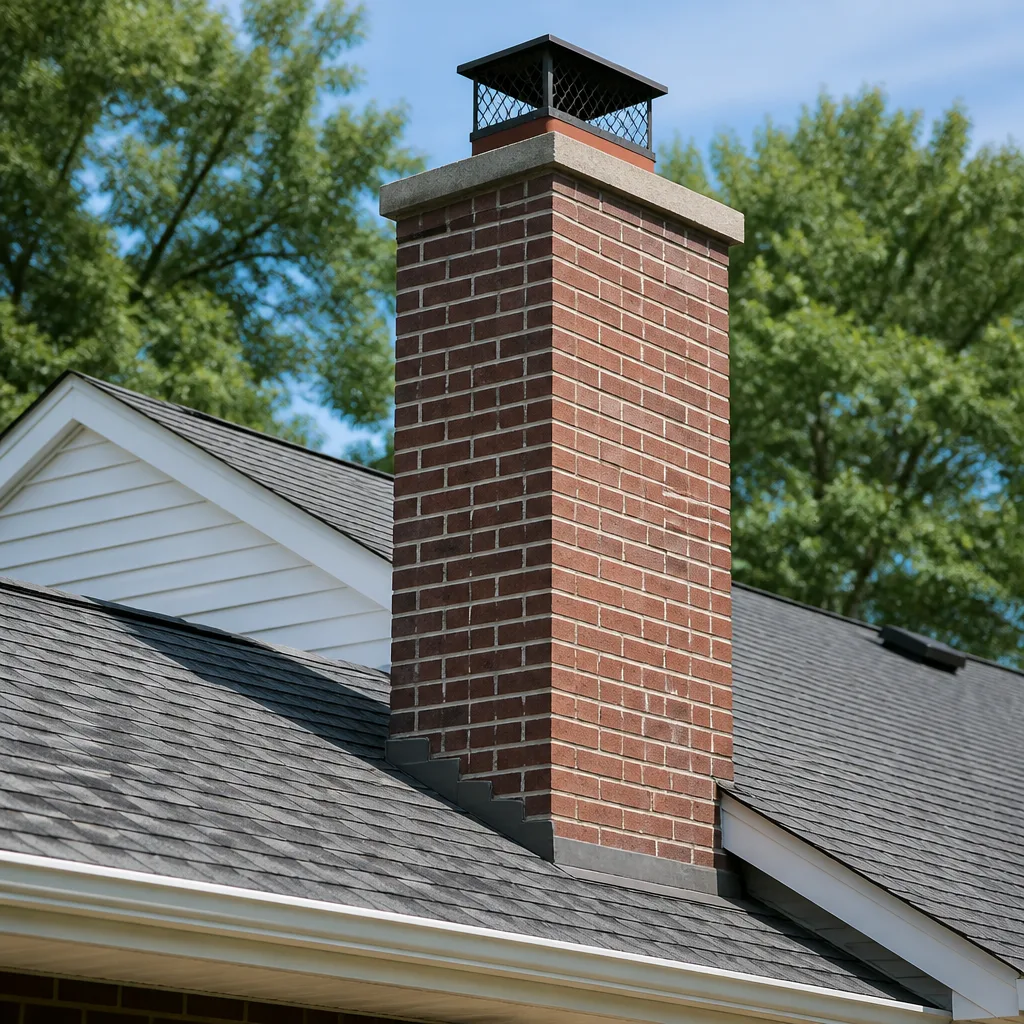 Masonry repair
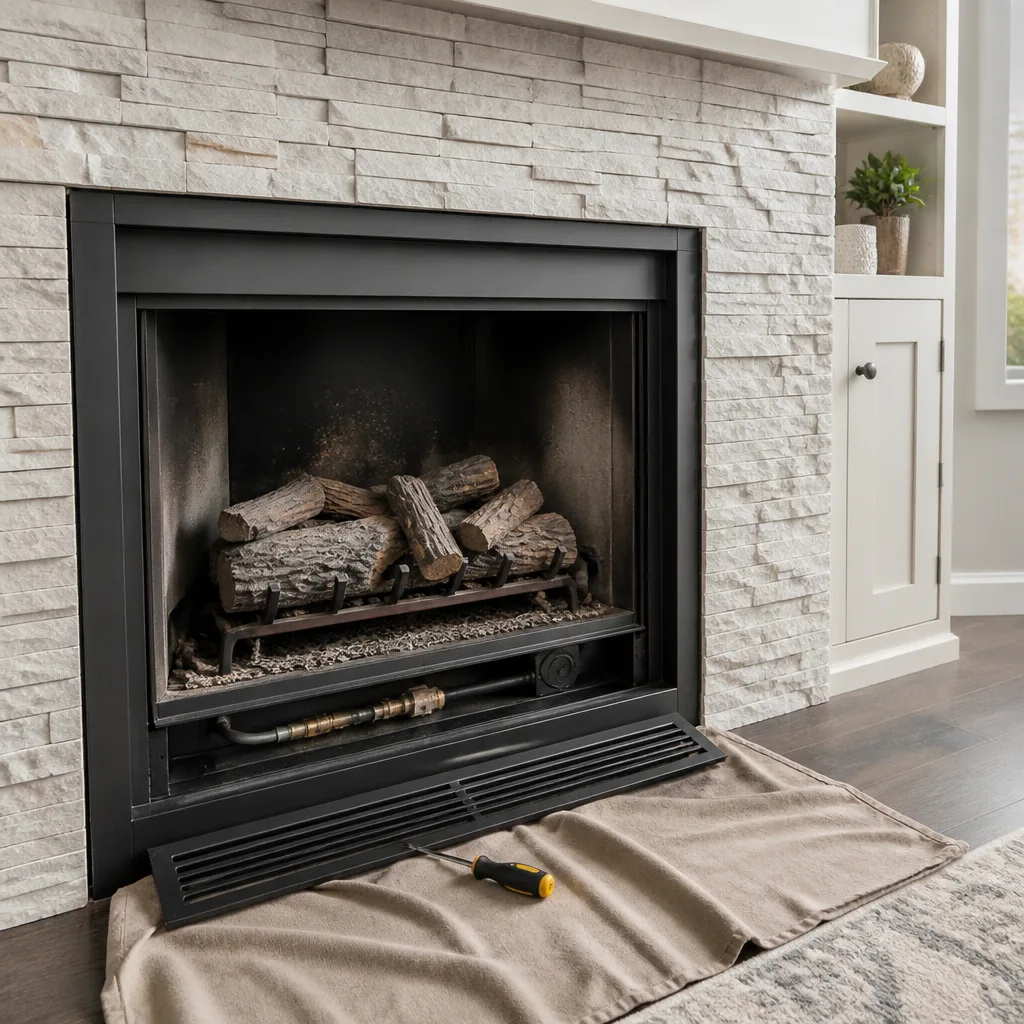 Gas fireplace service
Level 1 sweep and inspection to the NFPA 211 annual standard - flue, crown, cap, and flashing checked and photographed
Chimney sweep logs do not sweep chimneys. They loosen some creosote - which then falls where a brush and vacuum still have to collect it.
Fast, Reliable Chimney Inspection Across Coney Island
If you live in Coney Island and your chimney hasn’t been looked at since you moved in, you’re not alone. We inspect chimneys across the neighborhood, from the dense brick apartment houses near Surf Avenue to the wood-frame bungalows out in the West End, and we know what the ocean air does to a stack that hasn’t been serviced in years. The salt spray and wind-driven rain off the Atlantic wear mortar joints and chimney crowns faster here than they do even a few miles inland, so an inspection in Coney Island isn’t the same walkthrough you’d get in a sheltered part of Brooklyn. Call (855) 342-5978 to book a visit. We answer 24/7, with fast dispatch from 7am to 7pm.
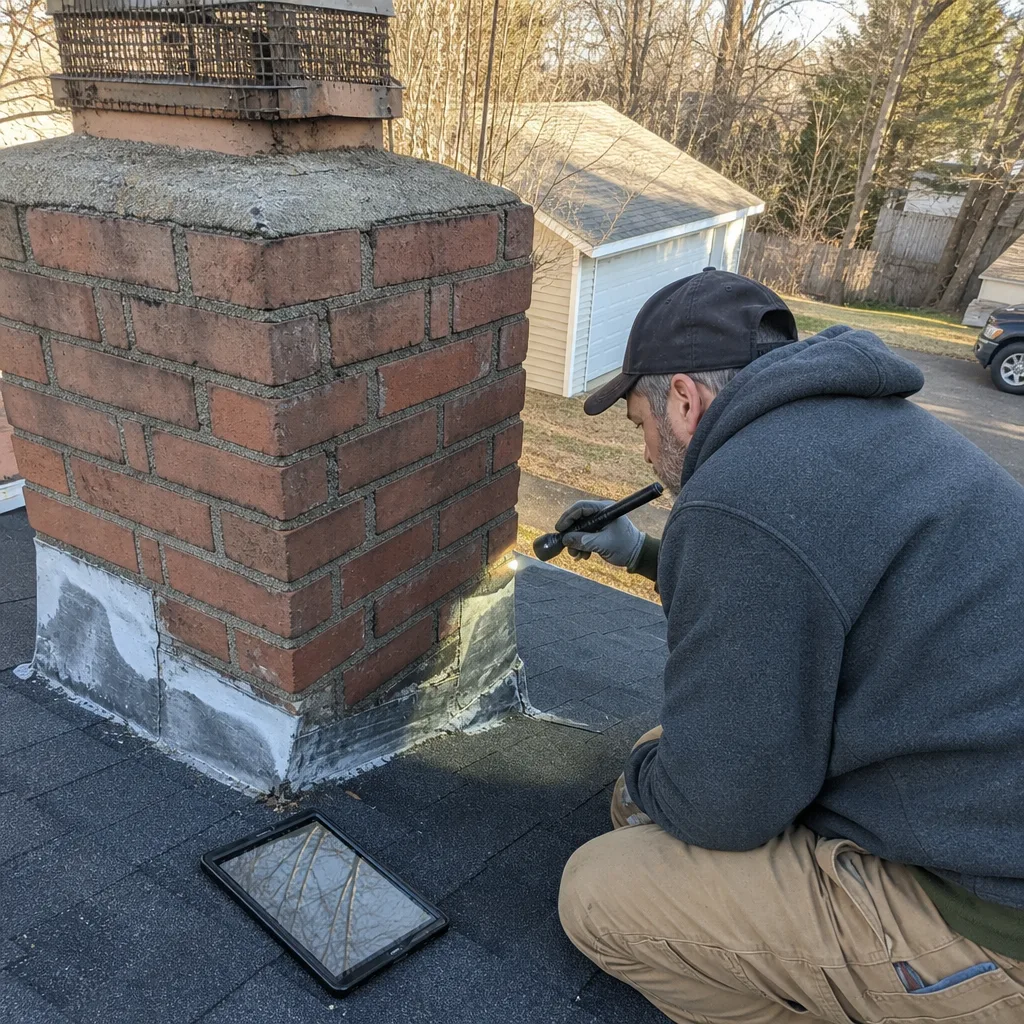
Why Coney Island Homeowners Call Chimney Sweep Gravesend for Chimney Inspection
Coney Island buildings are their own animal, and that’s the main reason people here call us. In attached brick apartment houses, a single masonry stack often carries several flues serving separate units, and sometimes a neighbor’s gas appliance vents into one of them. A real inspection has to map which appliance vents where, not just glance at one tenant’s flue. That’s a job for a chimney specialist, not a general handyman with a flashlight.
We’re a chimney-and-fireplace specialist only. Our technicians have up to 15 years of experience, and they inspect with the same eyes that later do the repair work. That matters when the recommendation is a liner, a new crown, or a cap, because the person who spots the problem is trained on what the fix actually involves. We install products from DuraFlex, HeatShield, Gelco, Olympia Chimney and Copperfield, the names you see in the professional trade rather than the big-box aisle. And every inspection includes a camera look and a photo report you can see for yourself, so nothing is recommended on our word alone.
Styles & brands we work with
- Sweep & inspection
- Caps & crowns
- Flue relining
- Masonry repair
- Gas fireplace service
Our Chimney Inspection Services in Coney Island
An inspection should answer a plain question: is this chimney safe to use, and if not, what does it need? The level of inspection depends on what we’re looking at and why you called.
Level 1 Inspection in Coney Island
A Level 1 inspection covers the readily accessible parts of the chimney and connects to the appliance, with no disassembly. For a Coney Island unit where nothing has changed and the flue was checked before, this is the routine yearly look. We check the firebox, damper, flue condition and cap, and note anything that needs attention before it becomes a repair.
Level 2 Inspection in Coney Island
A Level 2 inspection goes further and is what most Coney Island attached brick buildings actually need. It includes a camera run of the flue and a check of accessible portions of the chimney on the roof side. In a shared stack, that means confirming which unit’s appliance vents into which flue, and whether one flue’s exhaust could be bleeding across into a neighbor’s. This is also the inspection you’ll want before buying or selling a property, or after a chimney fire or a change to the heating setup.
Level 3 Inspection in Coney Island
A Level 3 inspection is the deepest and is done when a Level 1 or 2 turns up a concern that can’t be resolved without opening up part of the chimney or building. It might mean a section of wall or the crown has to come apart to be examined directly. We only recommend it when there’s a specific reason, and we walk through what it will involve and why before any work starts.
Camera Inspection in Coney Island
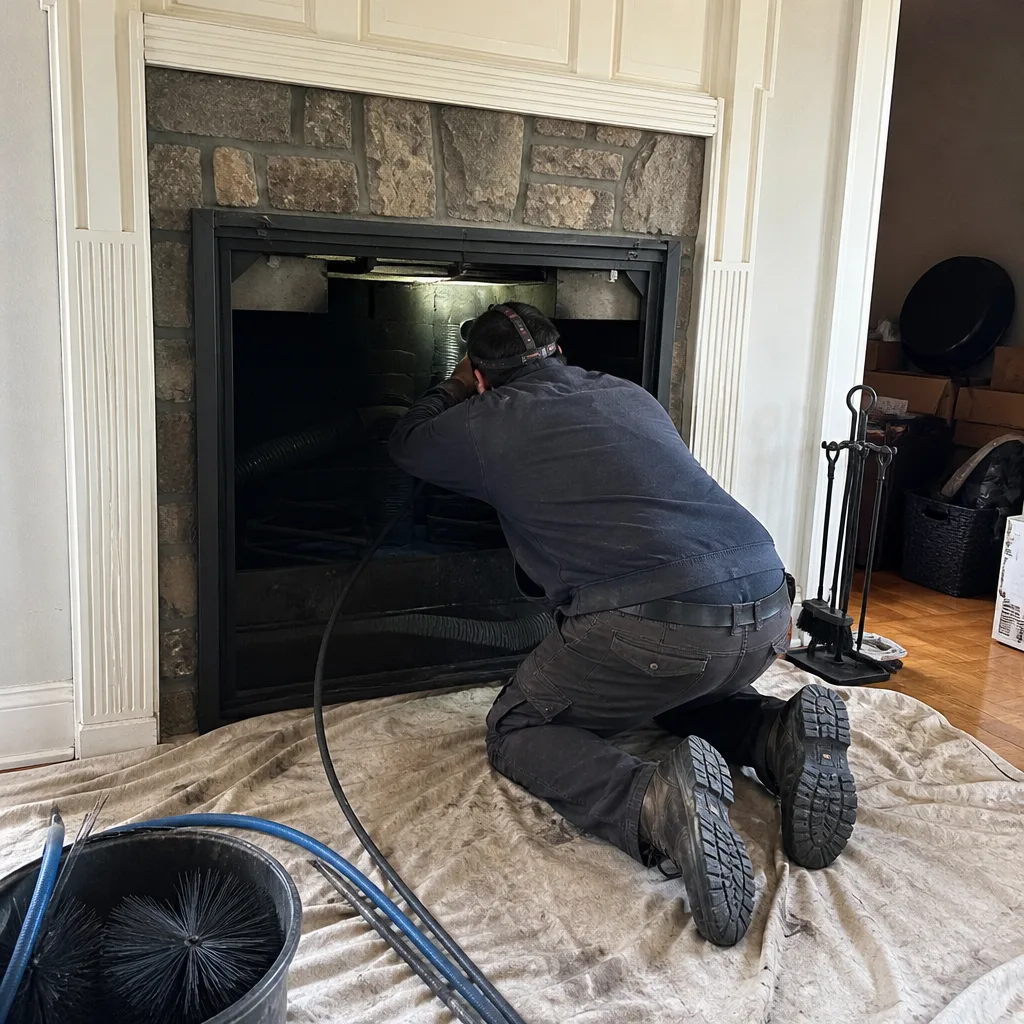
A camera inspection is where old Coney Island flues tell their story. The camera shows the inside of the flue, and in these buildings it often reveals cracked or offset clay tiles that let exhaust move sideways rather than up and out. Seeing the flue on camera changes the conversation from guesses to evidence, and you get the photos to keep.
For the broader picture of what each of these involves, our Chimney Inspection page walks through the levels and when each one is called for. We also do it all under one company, so if the inspection turns up a fault, we can quote the liner or cap and handle it without handing you off to someone else.
Trusted Brands We Service in Coney Island
When a Coney Island chimney needs a liner, a cap or resurfacing, we work with professional-grade products you won’t find on a hardware-store shelf. That means DuraFlex for stainless liners, HeatShield for ceramic resurfacing on a damaged flue, and Gelco or Copperfield for other components depending on the job. We don’t stock parts on a truck, so whatever the inspection calls for gets ordered to spec and installed once it’s in. It’s the same material the trade uses, not a big-box substitute.
See the difference
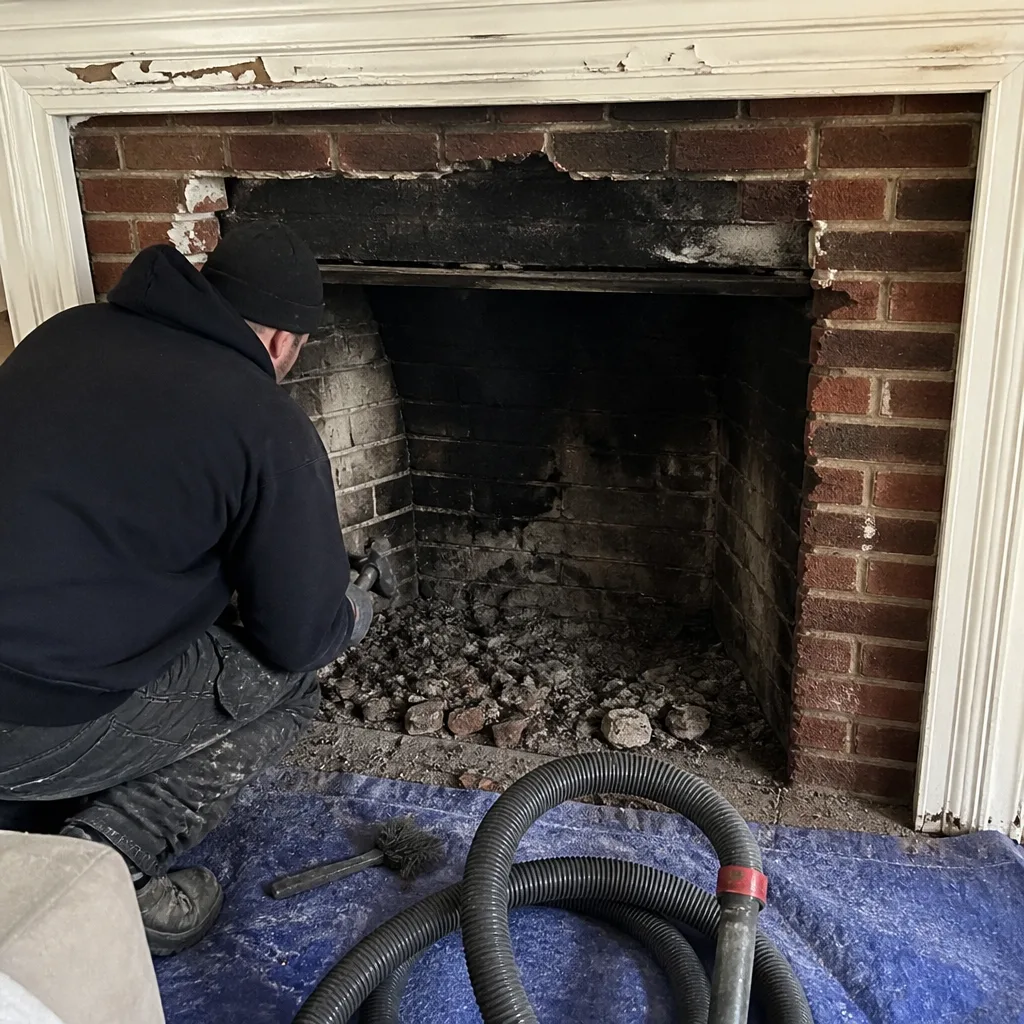 Before
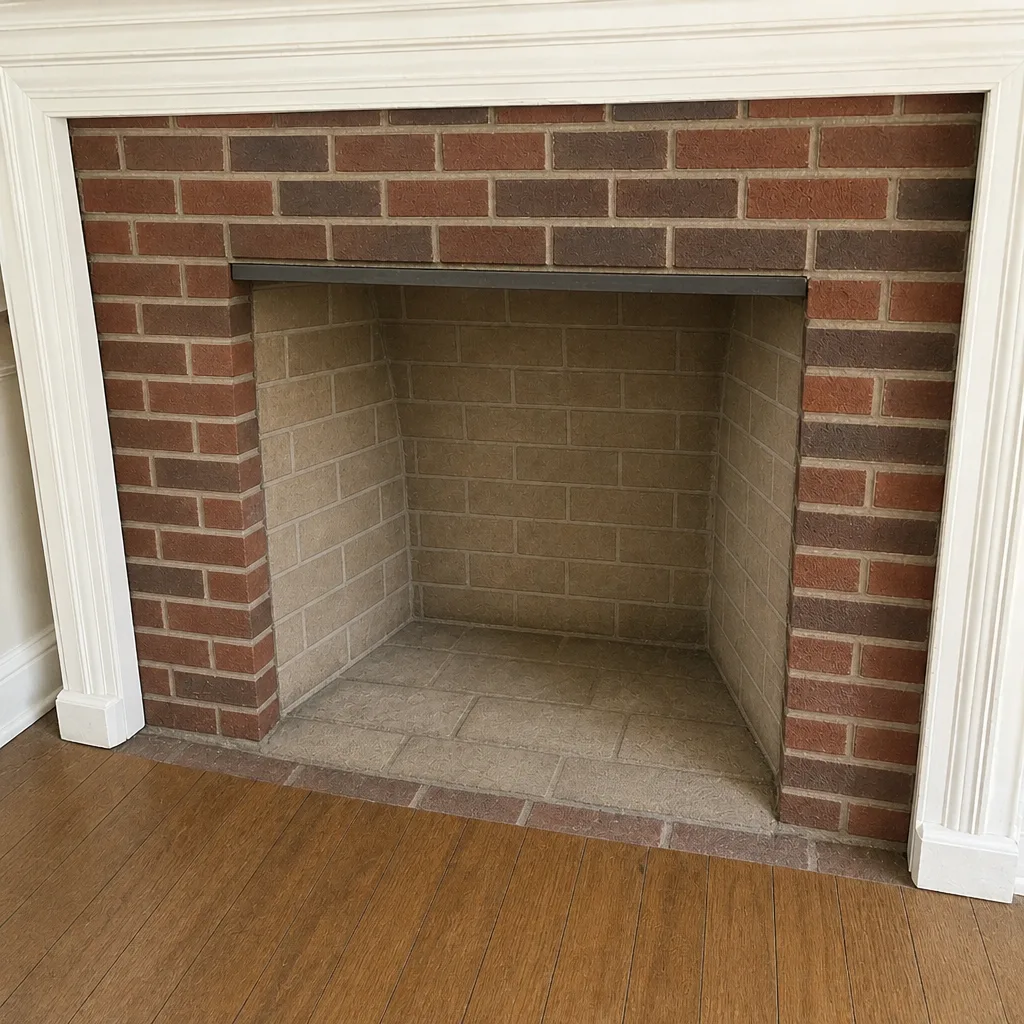 After
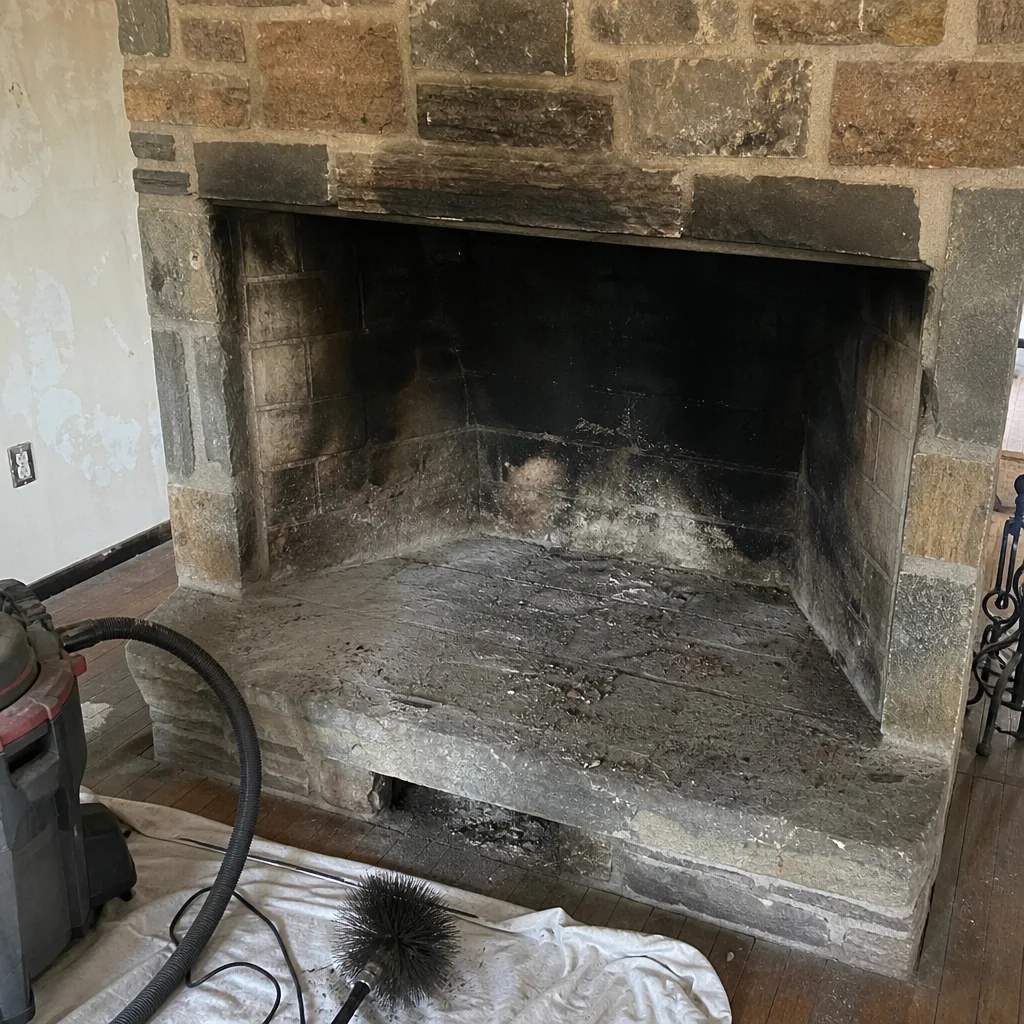 Before
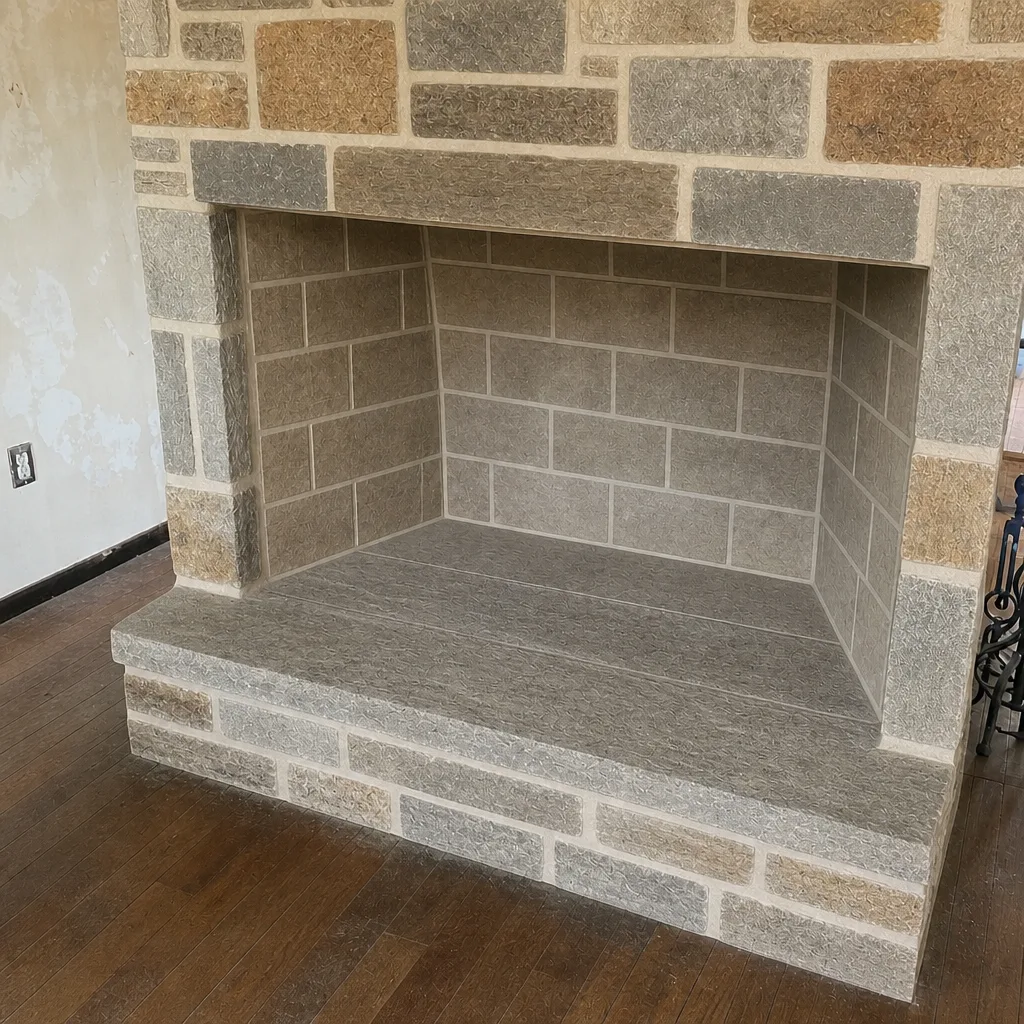 After
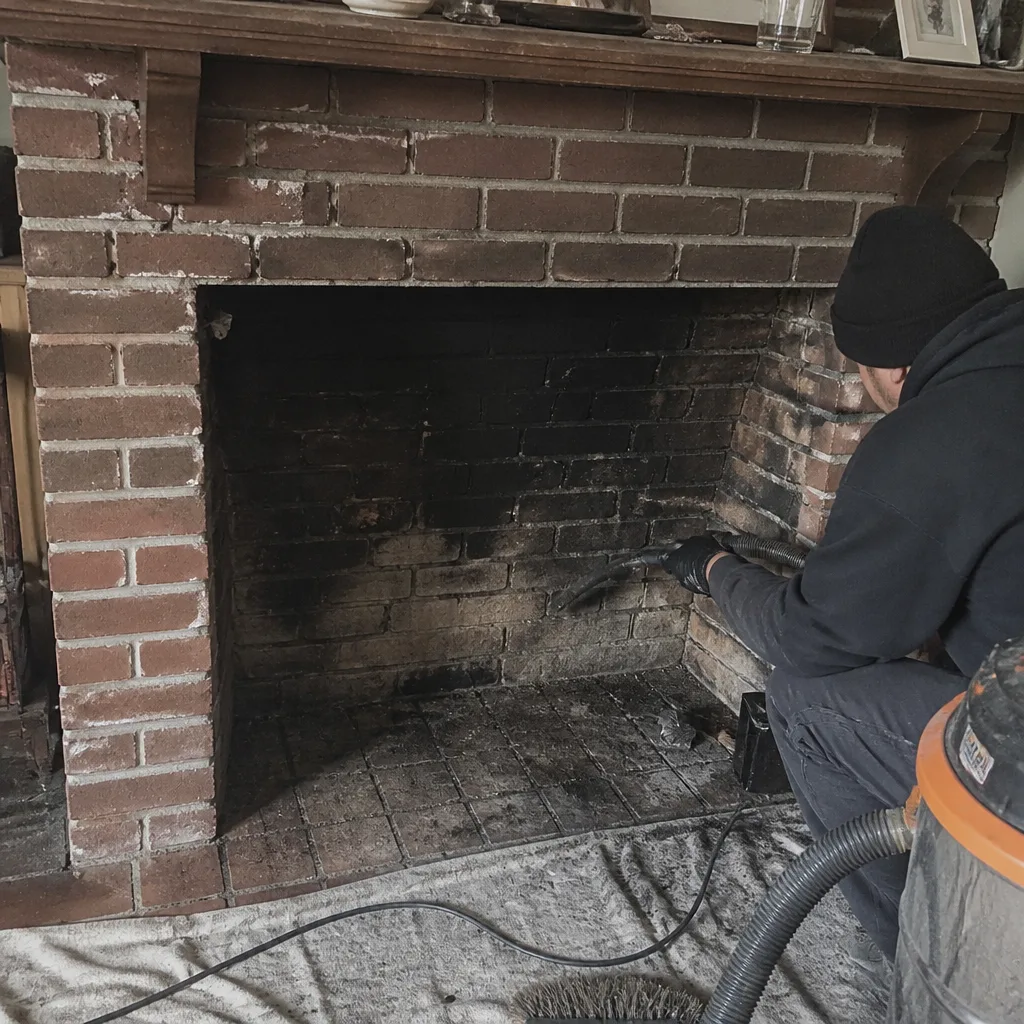 Before
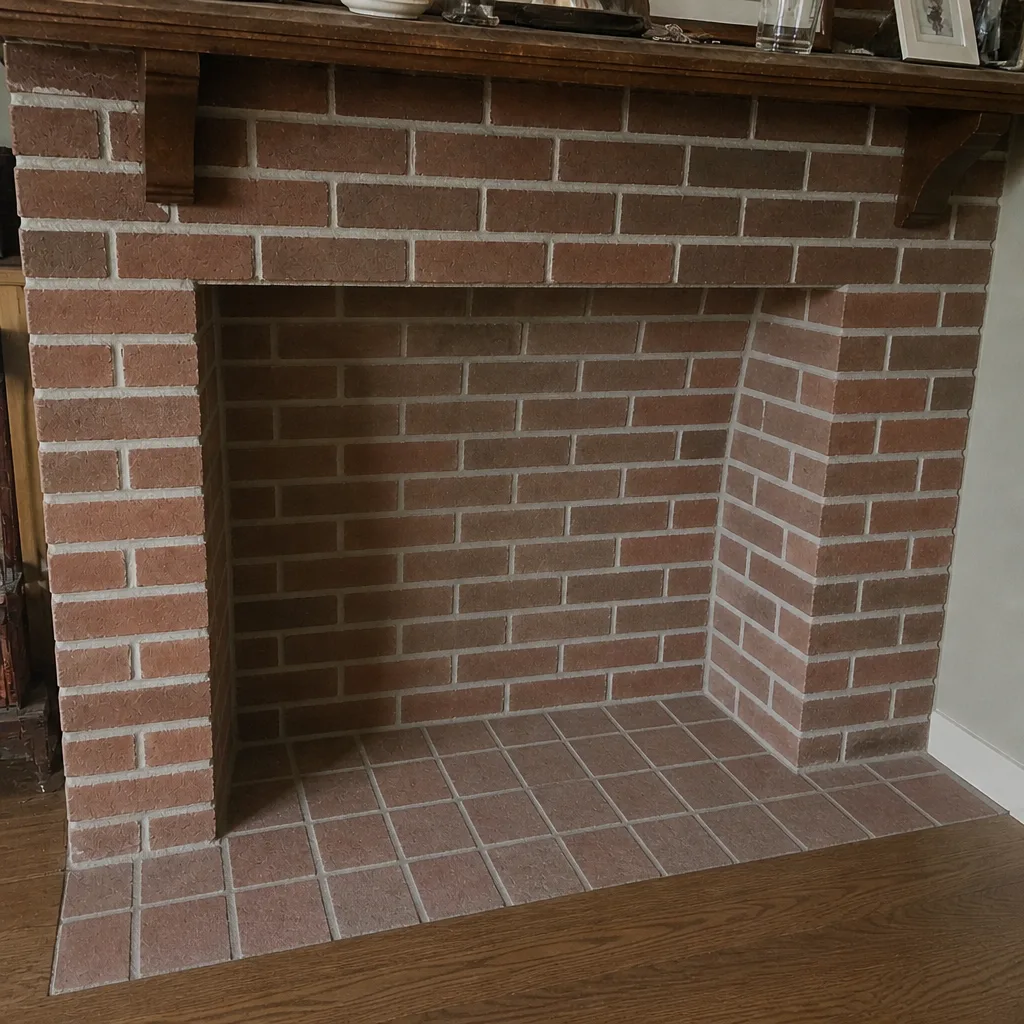 After
Common Chimney Inspection Problems We See in Coney Island Homes
- Cross-contamination in shared stacks. In attached apartment buildings, a neighbor’s appliance can vent into an adjacent flue whose clay tiles have cracked or spalled, letting exhaust migrate between units. A camera inspection and mapping of the flues is how we confirm it, because you can’t see it from inside either unit.
- Salt corrosion on the ocean-facing side. Chimney crowns, mortar caps and flashing on the Atlantic side of a building crumble faster than the sheltered side, and that lets wind-driven rain straight into unused flues. It’s the single most common weatherproofing failure we find near the beach.
- Seasonal bungalow chimneys left unused for months. Wood-frame bungalows in the West End often sit with a chimney that’s capped or uncapped most of the year, so birds, moisture and light creosote go unnoticed until the first cold snap. An inspection before the season catches what the idle months left behind.
- Original unlined brick chimneys in older homes. Many 1920s to 1950s buildings still have their original clay flue tiles, and some have no liner at all. Those flues weren’t built for modern appliances, so an inspection is how you find out whether a liner is needed before you rely on the chimney.
Pricing for Chimney Inspection in Coney Island, NY
A typical Level 1 chimney inspection in Coney Island runs $100 to $200, and a Level 2 inspection with a camera run and photo report usually lands between $200 and $400. A Level 3 inspection, which involves opening part of the chimney, is priced per job once we know the scope, and that’s set by the written estimate before any work begins. We give a flat-price sweep agreed before booking, so the number you hear on the phone is the number you’ll see. Estimates are free, and nothing beyond the inspection is recommended without camera evidence you can see. If your chimney can safely wait, we’ll tell you that too.
We Also Serve Cities Near Coney Island
The same shared-stack and salt-air problems reach the neighborhoods around us, so we also work in Gravesend, Brighton Beach, Bensonhurst and Sheepshead Bay. If your building sits on the edge of Coney Island or just over in Brighton Beach, the inspection is the same careful job whether you’re a few blocks from the beach or further inland.
Serving Coney Island, NY – Our Local Coverage Area
We serve Coney Island and nearby communities. Use the map below to see the area we cover. If you’re nearby, we can almost certainly help.
FAQs – Chimney Inspection in Coney Island
A Level 2 inspection is what a shared masonry stack in a Coney Island attached building usually requires, because a Level 1 won’t map which appliance vents where or catch cross-contamination between units. A Level 1 covers the readily accessible parts only; a Level 2 adds a camera run of the flue and a roof-side check. In buildings where several units share one stack, that extra work is what tells you the chimney is safe for everyone connected to it. Call (855) 342-5978 to book it; estimates are free.
Yes, it’s a real and fairly common problem in Coney Island’s attached brick buildings, where one stack often carries flues for separate units and sometimes a gas appliance. If the clay tiles between flues are cracked or offset, exhaust can migrate across into a neighboring flue instead of going up and out. A camera inspection and flue mapping show whether that’s happening and where.
Coney Island’s crowns crumble faster because of direct Atlantic exposure: constant salt spray and wind-driven rain eat mortar joints and spalling brick faster here than in sheltered parts of the city. The ocean-facing side of a building usually shows it first. A crown or mortar cap that’s breaking down lets water into unused flues, so we check and repair them as part of keeping the chimney weatherproof.
Yes, an unused bungalow chimney still needs an inspection, because sitting idle is when damage goes unnoticed. Birds nest in open flues, moisture gets in through a crumbling cap or crown, and creosote left from past fires stays until someone looks. The fix is usually a proper cap and a check before the season starts, and often nothing more urgent than that.
A camera inspection finds what’s happening inside the flue, most often cracked or offset clay tiles, gaps at joints, and the buildup that a flashlight from the firebox can’t reveal. In these older buildings it’s how we tell whether a flue is sound, needs a HeatShield resurfacing, or needs a stainless liner. You get the photos so you can see the evidence yourself. Call (855) 342-5978 for a free estimate.
If you’re in Coney Island and your chimney hasn’t had a proper look in a while, the inspection is the place to start. We’ll tell you plainly what we find, show you the camera photos, and only recommend work the evidence supports. Call (855) 342-5978 for a free estimate. We answer 24/7, with fast dispatch from 7am to 7pm, Sunday through Friday.
Written by the team at Chimney Sweep Gravesend.