
Last updated November 22, 2026
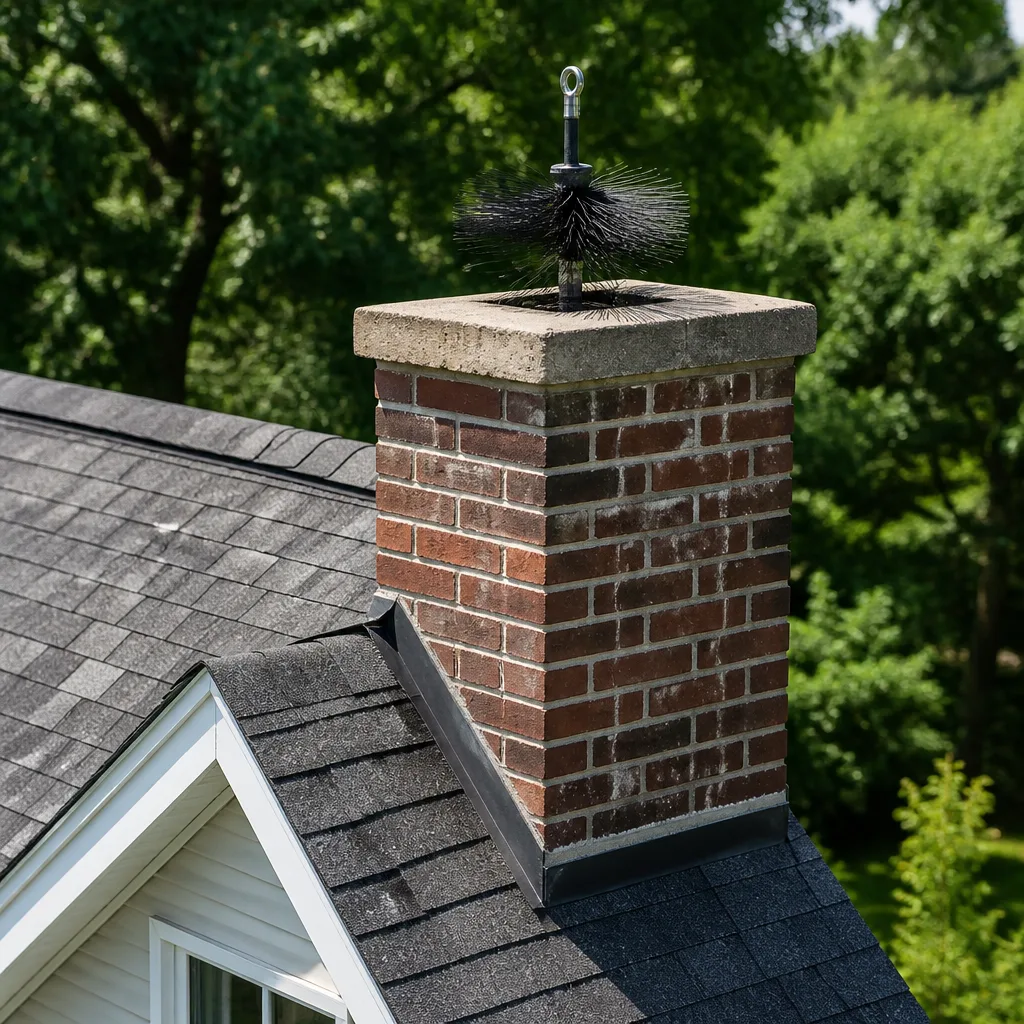 Sweep & inspection
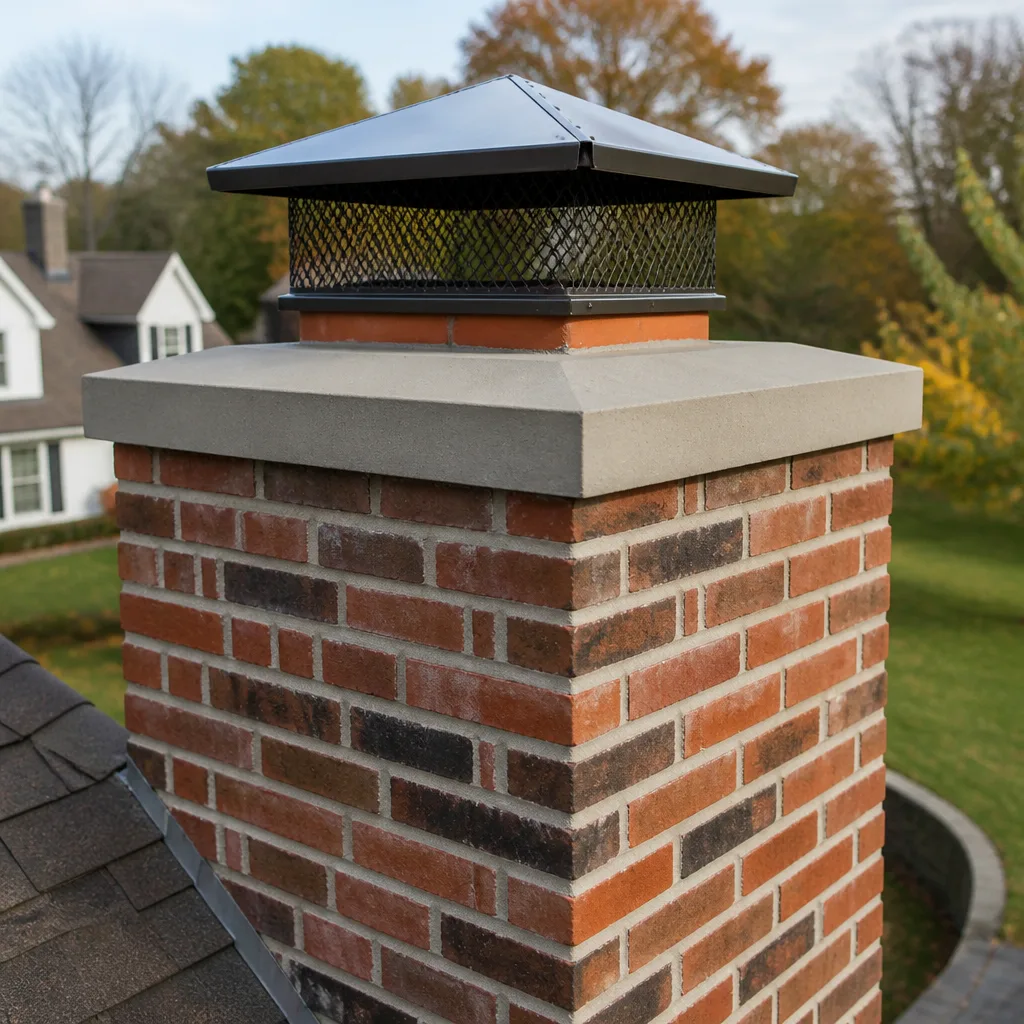 Caps & crowns
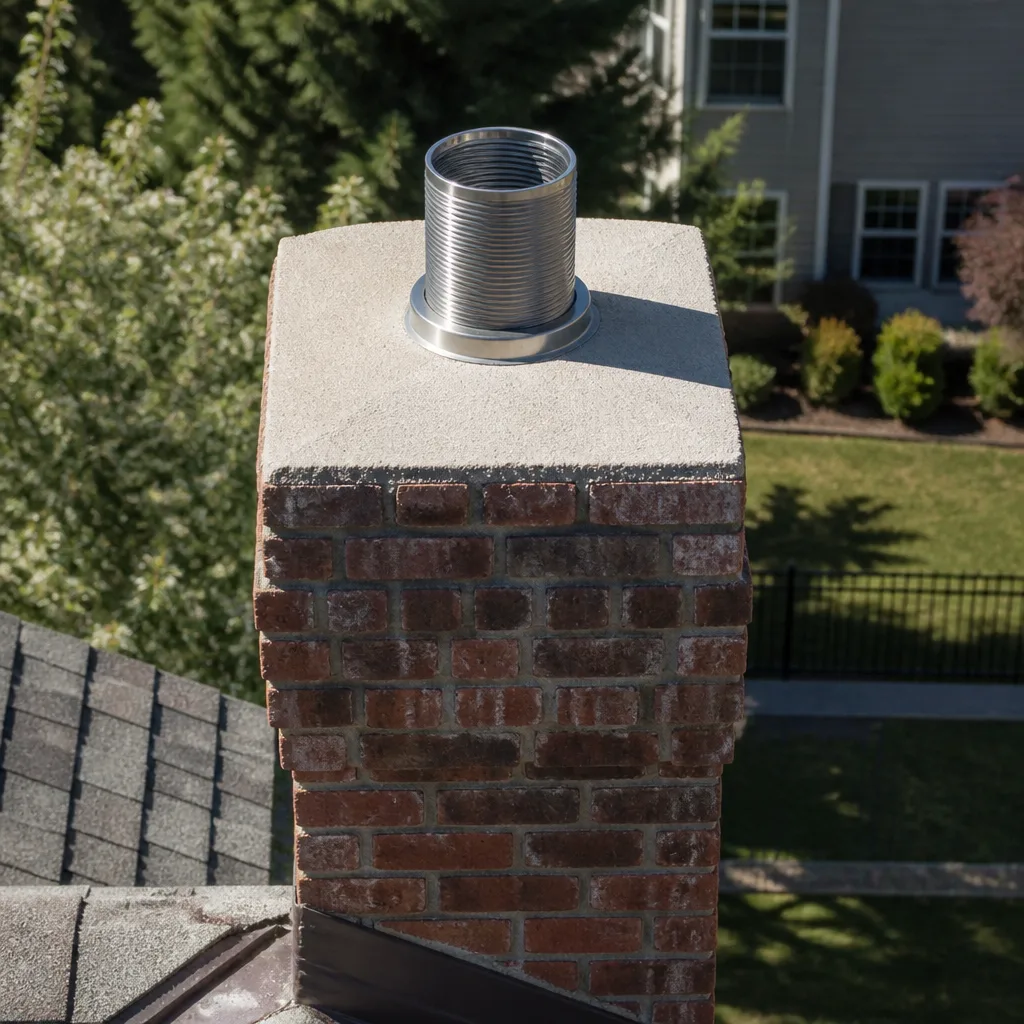 Flue relining
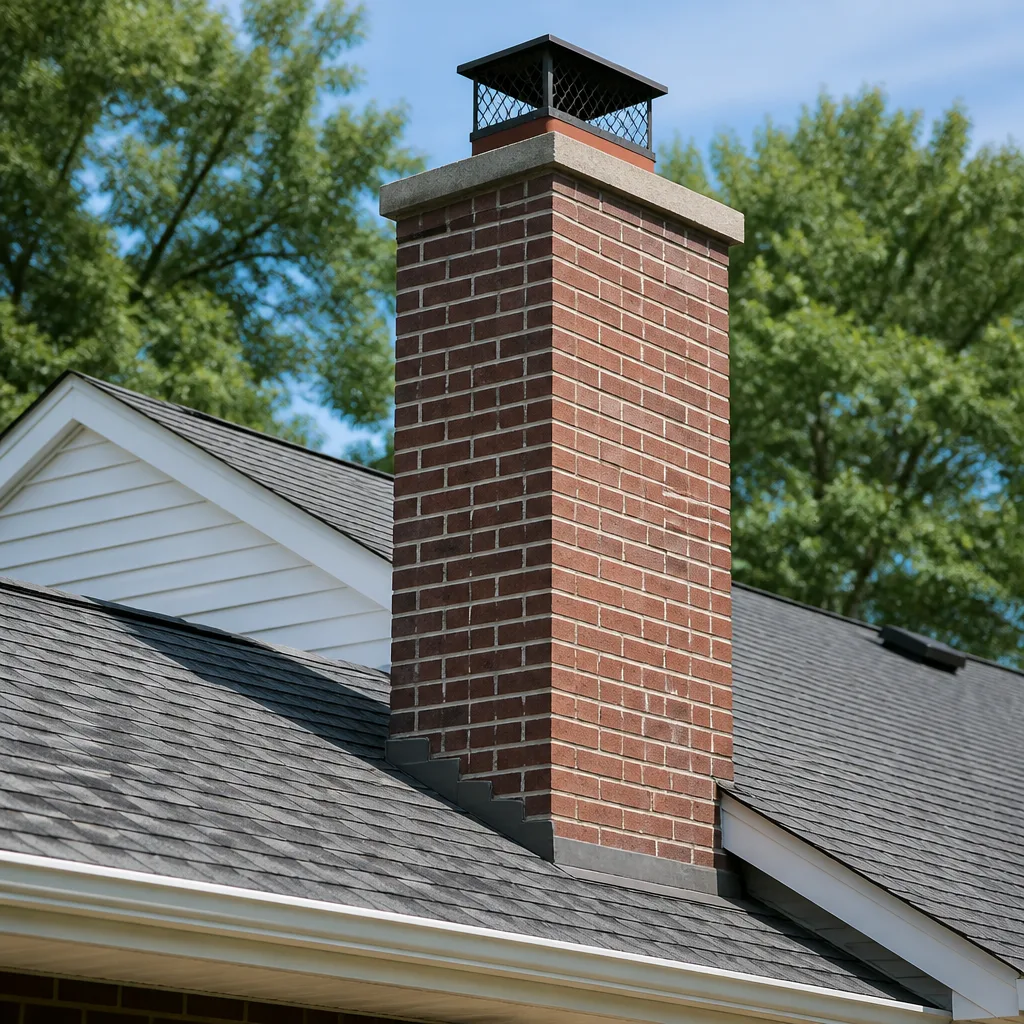 Masonry repair
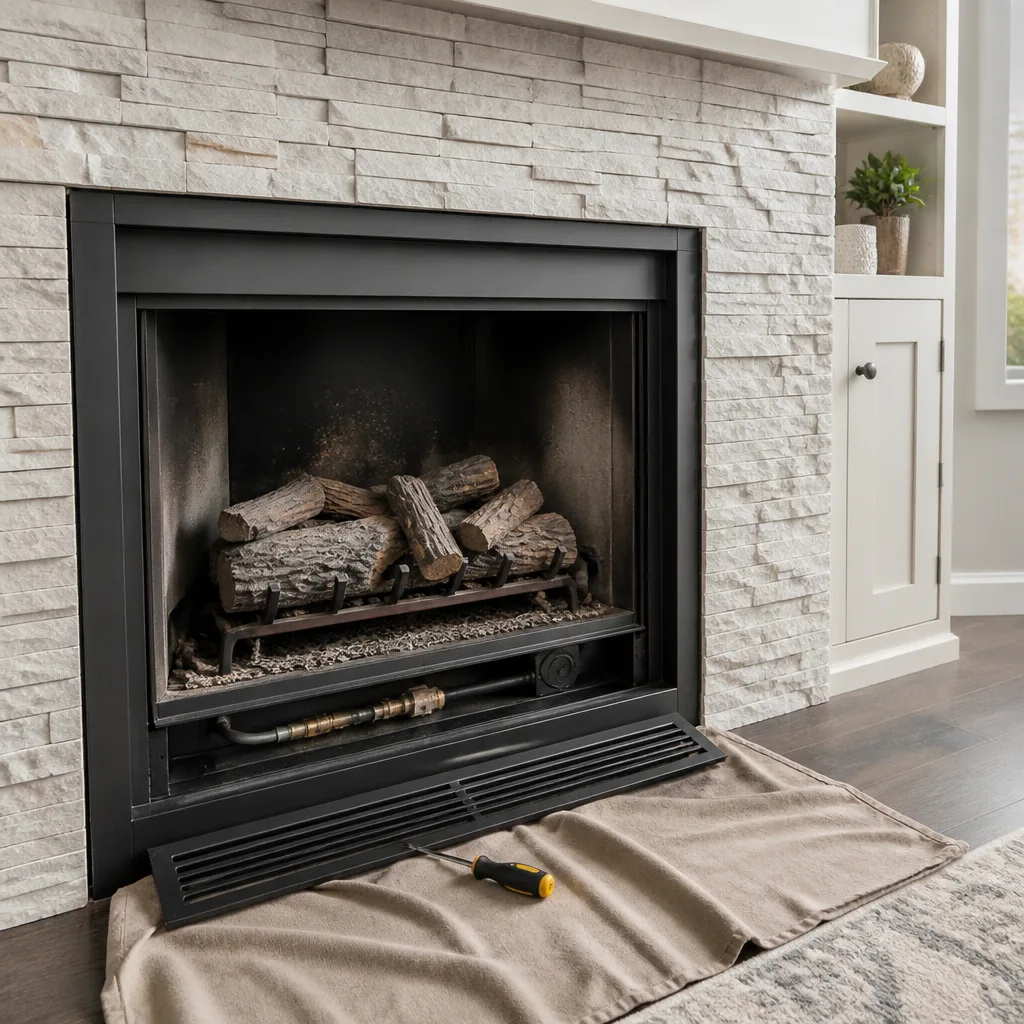 Gas fireplace service
Level 1 sweep and inspection to the NFPA 211 annual standard - flue, crown, cap, and flashing checked and photographed
Chimney sweep logs do not sweep chimneys. They loosen some creosote - which then falls where a brush and vacuum still have to collect it.
Chimney Sweep Maintenance Checklist for Gravesend Homeowners
Most chimney maintenance advice tells you to “inspect annually.” That’s a calendar answer to a question that isn’t about calendars. A household that burns three cords of hardwood in a season and a household that lit the fireplace twice have nothing in common by spring, yet both get the same advice. What actually determines when a chimney needs attention is measurable: how much creosote has built up on the flue walls, whether the mortar joints are still doing their job, whether the cap is keeping weather and wildlife out. This guide gives you pass/fail checkpoints at every one of those points, so you can look at your own chimney in Gravesend, decide what’s clear and what isn’t, and know exactly when to pick up the phone.
Quick Answer
A chimney needs sweeping when creosote on the flue walls reaches about 1/8 inch, or roughly a quarter inch in the firebox and smoke chamber, regardless of what month it is. Between professional visits, homeowners should check the cap, crown, mortar joints, flashing, damper and smoke shelf themselves and note any changes in odor, draft or flame color. Call a specialist when creosote is visible and thick, masonry shows cracking or movement, or the fireplace smokes, smells or drafts differently than it used to.
Styles & brands we work with
- Sweep & inspection
- Caps & crowns
- Flue relining
- Masonry repair
- Gas fireplace service
Table of Contents
- Usage-Based Triggers: The 1/8-Inch Creosote Rule
- Exterior Masonry Checkpoints on Gravesend Rowhouses
- Damper and Smoke Shelf Tests You Can Run Yourself
- Cap and Screen Inspection Criteria
- What to Check Inside the Firebox and Flue
- What to Document Between Visits
- A Seasonal Walkthrough for Gravesend Homes
- When the Checklist Says “Call a Professional”
Usage-Based Triggers: The 1/8-Inch Creosote Rule
The single most useful number in chimney maintenance is 1/8 inch. That’s the thickness of creosote on the flue walls at which a chimney is considered due for cleaning, and it replaces the vague “once a year” rule with something you can actually see. Creosote builds in three recognizable stages, and knowing which stage you’re looking at tells you how urgent the work is.
- Stage 1: A soot-like dusting you can brush away with a chimney brush. This is normal after a season of burning and usually clears with a standard sweep.
- Stage 2: A crusty, flaky layer that clings to the flue and doesn’t come off with a light brushing. At this stage the deposit is dense enough to sustain combustion if a hot ember reaches it.
- Stage 3: A glazed, tar-like coating that looks almost like shellac on the flue wall. This is the most flammable form and typically needs more than a brush to remove.
The thickness threshold is about 1/8 inch on the flue, and roughly a quarter inch in the firebox and the smoke chamber just above it. Those are different numbers for different surfaces, and a lot of homeowners assume the firebox is the cleaner area when it’s often the dirtiest. When you burn, creosote condenses wherever the flue gases cool, so the smoke chamber above the damper collects deposits heavily.
Seasonality matters in Gravesend too, just not the way people expect. Our burning season runs long and cold, and rowhouse fireplaces often get used hard through the winter. A household burning several cords will hit the 1/8-inch threshold well before a full year is out; a household that burned a dozen fires may not hit it for two or three. The number, not the calendar, is the trigger. If you want a professional check of creosote depth, a chimney sweep includes a visual assessment of the flue and firebox.
Exterior Masonry Checkpoints on Gravesend Rowhouses
Gravesend’s housing stock is dominated by attached brick rowhouses, and that changes what you look for on the outside of a chimney. An attached chimney shares a wall with your neighbor’s, and it often rises above a parapet wall that runs along the roofline. Those junctions are where water gets in, and water is the patient destroyer of masonry.
Here’s what to check on your own from the ground, with binoculars if the roof is steep:
- The crown. Look at the top surface of the chimney where it meets the flue tile. The crown should shed water away from the flue, with the tile standing slightly proud of the concrete or mortar cap. Any crack wider than a hairline, and any low spot where water pools, is a fail.
- Mortar joints. Scan the brickwork for joints that have receded, turned to powder, or dropped out entirely. Joints that crumble when you touch them with a screwdriver tip (on a safe section you can reach) are failing. Horizontal bands of dark staining below a joint usually mean water is tracking through.
- Flashing where the parapet meets the stack. On a rowhouse, the chimney often penetrates the roofline right where the parapet wall runs. The flashing there – the metal that bridges the masonry and the roof – should be tight, continuous, and turned into the mortar. Bent, lifted, or rusted-through flashing is a fail, and it’s one of the most common causes of interior dampness that homeowners mistake for a leaky roof.
- Brick spalling. Look for brick faces that have flaked or popped off, leaving a rough, crumbly surface. Spalling is a moisture problem, not a cold problem, and it spreads.
- The flue tile. The clay tile at the top of the stack should be intact, with no visible cracks or missing chunks. A cracked flue tile lets water directly into the flue and can allow combustion gases into the structure.
Any of those failures on an attached chimney is worth a professional look before the next heating season. Water damage on a shared rowhouse wall doesn’t stay on your side of the lot line, and catching it early is far cheaper than rebuilding a stack. Exterior work like chimney cap & crown repair is the kind of thing a specialist can assess from the roof while doing a routine sweep.
Damper and Smoke Shelf Tests You Can Run Yourself
Before you call anyone, there are three cheap tests that tell you a lot. They take about ten minutes and they’ll save you from booking a sweep when the real problem is a stuck damper or a dirty smoke shelf.
- The damper open/close test. With no fire in the firebox, work the damper handle through its full range. It should open smoothly and seal fully when closed. A damper that sticks, wobbles, or doesn’t close flush will waste heat up the flue all winter. When it’s open, look up past it with a flashlight and note whether the plate hangs evenly or looks warped or rusted.
- The smoke shelf test. The smoke shelf is the flat ledge just behind the damper and above the firebox. It’s supposed to turn air that curls down the flue back up the chimney. Look up with a flashlight after the fireplace has been cold for a day. A smoke shelf buried under soot and creosote isn’t doing its job, and a dirty shelf is one of the quieter causes of a fireplace that “just doesn’t draw right.”
- The draft test (cold-start check). Crumple a piece of newspaper, light it, and hold it near the damper with the firebox door open. Smoke should rise straight up the flue, not waft forward into the room. A backdraft here, before any real fire, means the draft is weak and likely needs a specialist to diagnose.
A damper that hangs halfway open is also a fire hazard waiting to happen, because it lets heat escape and lets creosote cool and deposit faster. If you can’t verify that it closes fully, that’s a professional call. In our experience, damper and smoke shelf problems are the ones homeowners can identify but not fix themselves, and they’re cheaper to address with a sweep than after a smoke-filled room. If you’re not sure, the technician who checks it during a chimney repair visit can tell you whether the damper needs adjustment or replacement.
Cap and Screen Inspection Criteria
A chimney cap is the single most neglected piece of chimney hardware in Gravesend, and it protects everything below it. The cap sits on top of the flue and stops rain, snow, birds and squirrels from getting in. Its screen, or spark arrestor, does double duty: it keeps embers off the roof and stops animals from nesting. A cap that looks fine from the street can be failing in a dozen ways.
Check these criteria, in order:
- Mesh size and condition. The screen should be intact, with openings small enough to keep out small birds and animals. Mesh that’s torn, sagging, or has holes larger than a finger is a fail. Grackles and starlings are relentless in Brooklyn, and a torn screen is an invitation.
- Rust scoring. Look at the point where the cap meets the flue and the screen frame. Orange rust streaks on the cap or brick below it are a sign of ongoing corrosion, and on a painted cap, flaking paint is a fail.
- Animal intrusion signs. Look for twigs, leaves, feathers or nesting material gathered on the cap or wedged between the cap and the flue tile. Any nest inside the flue is a health hazard and a draft-killer and needs removal by a specialist, not a broom handle.
- Attachment. The cap should sit squarely and firmly on the flue, with no wobble and no daylight between cap and tile. A cap that’s been blown loose lets water straight down the flue.
- Flue fit. The cap’s opening must match your flue tile; a cap perched over a too-large opening leaves water a path in.
Any of those failures, and you want a cap replaced rather than patched. A proper cap is a one-time purchase and a matching screen. It’s the least glamorous part of chimney maintenance and the part that prevents the most damage. When we install a cap, we use a product that’s sized to the flue, not a universal fit. A cap check is part of any honest inspection.
What to Check Inside the Firebox and Flue
Inside the firebox, you’re looking for the effects of heat and moisture on masonry and metal. These are the checkpoints to run through after the fireplace has been cold for at least a day:
- Firebox wall cracks. Hairline cracks in the firebrick are normal with age. Any crack wider than a hairline, any loose or missing brick, and any crack that travels through the full thickness of the wall is a fail. One test: try to slide a coin into a crack; if it fits, it needs professional attention.
- Firebrick condition. Tap a firebox brick lightly with a screwdriver handle. A solid brick rings; a soft, crumbly brick sounds dull. Soft brick needs replacing before it can be heated again.
- The damper frame. Look at the metal frame the damper rides in. Rust and warping on the frame itself signal that a new damper is in your future, not just a cleaning.
- Smoke staining above the firebox. Soapy soot streaks or a brown tobacco-like stain on the facing above the opening means smoke is escaping into the room instead of up the flue. That’s a draft problem, often a dirty smoke shelf or a flue restriction.
- Flue tile inspection. You can’t see the full length of the flue from below, but you can see the bottom of the tile. Cracks or missing pieces here mean the flue may need a camera visit. Don’t insert a phone or a flashlight on a pole into the flue yourself; let a specialist do the camera work.
If any of these fail, we can’t be clearer: a chimney with cracked firebrick or damaged masonry is not safe to use until it’s looked at by a trained professional. But there’s good news. HeatShield ceramic resurfacing can often restore a damaged liner rather than requiring a full liner rebuild, and we use it because it’s a repair-grade solution, not a temporary patch. A camera inspection tells you whether you need it.
What to Document Between Visits
The most underrated maintenance habit is keeping a small log. Your next sweep is only as good as the information you hand over. A short note between visits turns a routine inspection into a targeted one, and it lets a specialist spot patterns you’d miss.
Jot down these five things, ideally in the same notebook or phone note, with the date:
- Odor changes. A persistent smoky smell on days you haven’t had a fire, or a creosote smell in warm weather, is a signal. Note when it started and whether it’s stronger in humid weather.
- Draft behavior. Does the fire start easily or take forever to catch? Does smoke roll forward at the start? Does a cold morning make the draft worse? Those answers matter.
- Flame color. A healthy wood fire burns yellow-orange with bright tips. A fire that’s mostly blue, or a flame that appears to pull away from the log, is worth mentioning.
- How much and what you burned. Roughly how many cords or how many fires, and hard or soft wood. This is the data that tells your sweep whether you’re at the 1/8-inch threshold.
- Anything that changed. A storm that came through, a new cap or screen, a strange noise, an animal on the roof.
Between visits, you can also smell-test the firebox and look up the flue with a light from time to time. If your sweep lives locally and knows Gravesend’s building stock, this log lets them compare your firebox with the rowhouse next door. It’s the difference between an inspection and a rubber-stamp check.
A Seasonal Walkthrough for Gravesend Homes
Calendar dates are less important than the change of seasons, and Gravesend’s climate has a real rhythm. The burning season runs from late fall through early spring, and summer is the low-demand time to schedule the work. Here’s a walkthrough you can follow through the year.
Before the burning season (late summer/early fall): This is the best time to have a sweep done, because the chimney is cold and the weather is mild. Do the damper, smoke shelf and cap checks yourself before booking, and note the creosote depth. Have the professional clean and inspect. Cap and screen work is best done now, before snow and ice make the roof harder to work on safely.
During the burning season: Keep your log. Check the firebox after every few weeks of heavy use. Watch for smoke rolling back into the room on a cold start, or a smell that lingers. If you notice any of those, stop using the fireplace and call.
After the burning season (spring): Look at the exterior masonry for cracks and spalling that the freezing and thawing of winter may have opened. Check the crown and flashing especially. This is also the time to deal with any odor issues from the off-season, since warm humid air pushes smells down the flue.
Early summer: Do your general exterior inspection and plan any masonry repairs for the mild months. If you’re thinking about a cap or crown replacement, this is the easiest time of year to have it done. If you have questions about whether your chimney needs a service this season, our team is happy to help you read the signs.
When the Checklist Says “Call a Professional”
Some of this checklist is for you. The rest is for a trained technician. Call a professional when any of these are true: you see creosote at about 1/8 inch or a quarter inch in the firebox; you’ve had a chimney fire, or you suspect one, even a small, short one; the masonry shows cracks, spalling or movement; the cap or crown is failing; the damper won’t seal; the fireplace smokes, smells or drafts differently; animals have been in the flue; or you simply can’t see enough of the flue to know.
One more point worth stating plainly: carbon monoxide is a colorless, odorless gas, and a blocked or damaged flue can let it into the house without any obvious sign. That’s the reason a professional inspection matters even when the fireplace seems to be working fine. If you don’t have a carbon monoxide detector near the fireplace, get one, and if you do have one, check it, because the checklist isn’t just about the masonry.
That’s the point at which you want a specialist who does the repair work alongside the inspection. Chimney Sweep Gravesend offers free estimates for homeowners in Gravesend and the surrounding area. We answer 24/7, and fast dispatch from 7am to 7pm, Sunday through Friday. Our technicians have up to 15 years of experience. When we inspect, we do it with the repair experience to back it up, and we name the brands we install, including DuraFlex, HeatShield and Olympia Chimney, because materials matter as much as labor. Call (855) 342-5978 for a free estimate.
Common Mistakes to Avoid
- Treating “annual” as a fixed rule. A chimney that burned three cords a season and one that burned nothing don’t need the same service. Count your creosote, not your years, and remember that annual inspection still matters for the exterior even if you didn’t fire up much.
- Only checking the flue and forgetting the cap. In Gravesend, a missing or dented cap lets rain down the flue and wildlife into the chimney. A cap that looks fine from the street can be rusted or blowing loose from the roof view. Look at it with binoculars before you decide.
- Cleaning with a broom and a household ladder. Brushing the flue yourself is the most common way to damage a tile or fall off a rowhouse roof. The flue and masonry are a specialist’s job, and a fallen bird’s nest or creosote crust need to be extracted, not swept.
- Ignoring the smoke shelf. A dirty smoke shelf makes a fireplace that “works” smoke into the room. It sits behind the damper and is easy to overlook. A crammed shelf is a fail, and a sweep can clear it during the same visit.
- Sealing the chimney off “for good” in summer without checking it first. Some Gravesend homeowners cover the cap through summer to stop odors, and then forget to uncover it and light a fire in the fall. That’s a draft problem and can be a carbon monoxide risk. Inspect before you close it off, and make sure the cover is removed before the first fire.
- Skipping the exterior masonry between visits. Mortar joints, spalling brick and flashing cracks get worse in the freeze-thaw cycle. Check the exterior twice a year, especially the area where the parapet meets the stack, and have any crack looked at before the next winter.
- Not keeping a log. Without documentation of how much you burned and how the fire behaved, your sweep has to guess. A log with five lines of notes is worth more than a “mostly wood” answer.
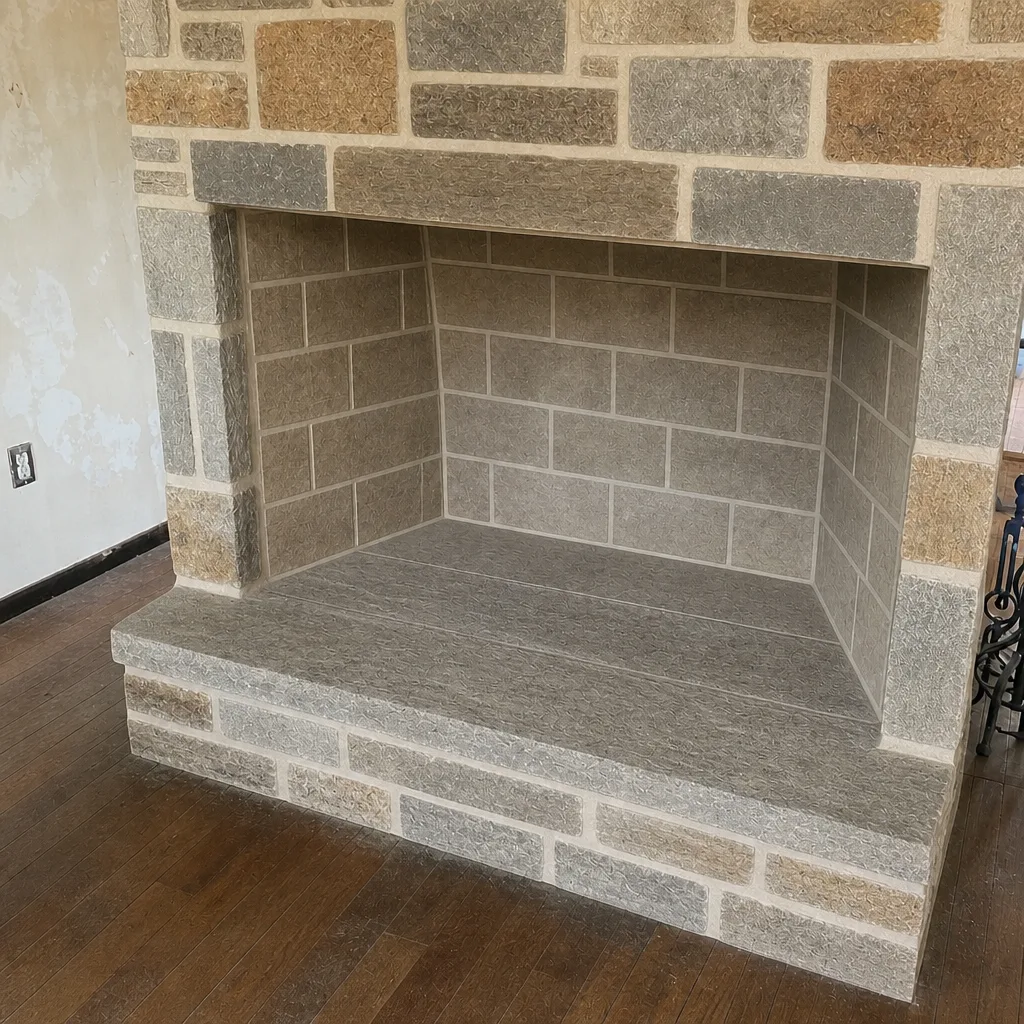
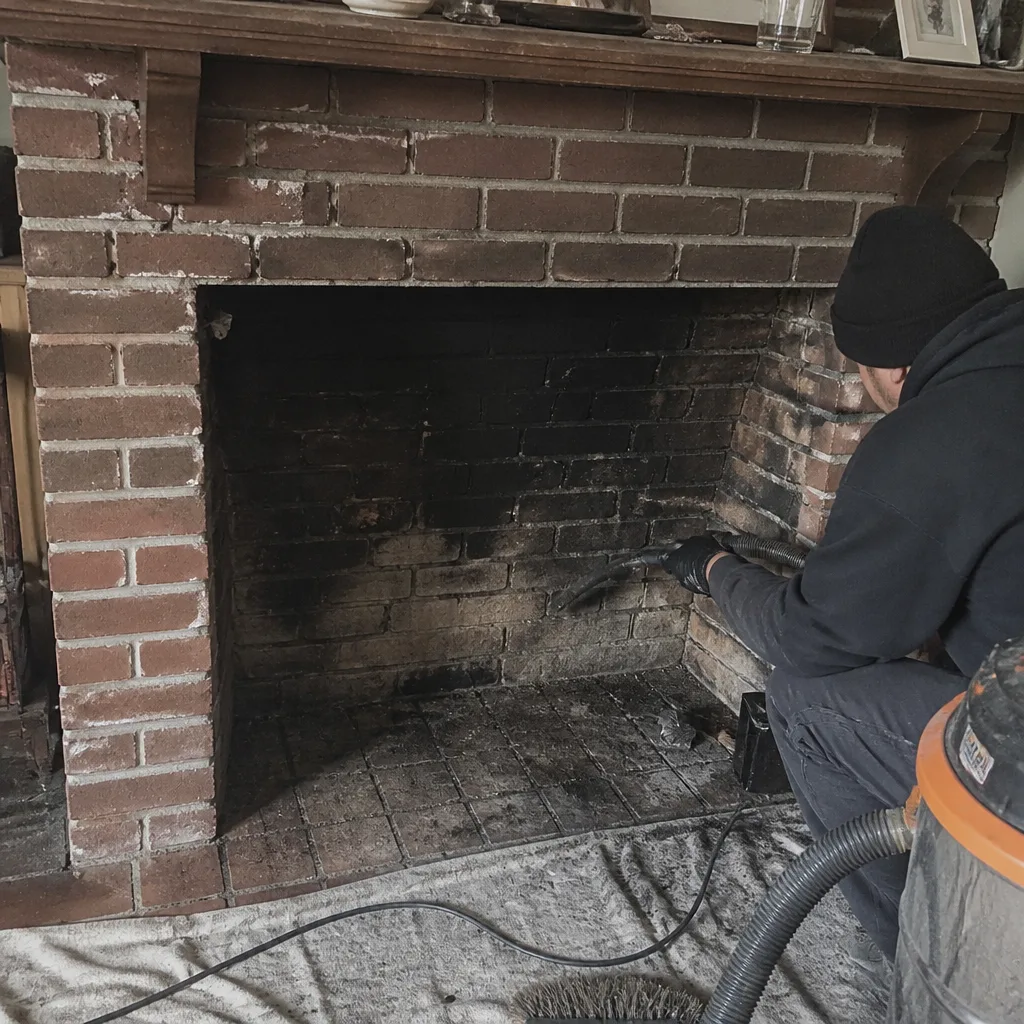
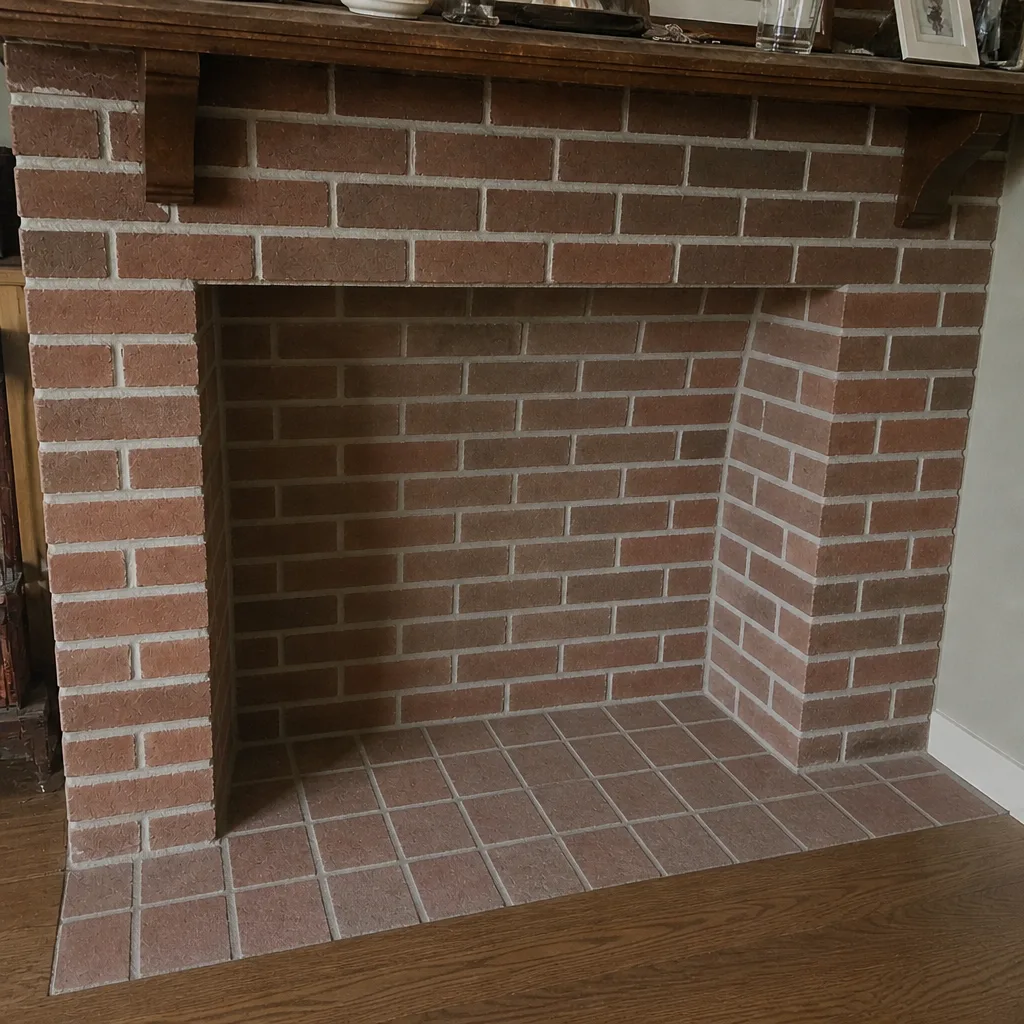
See the difference
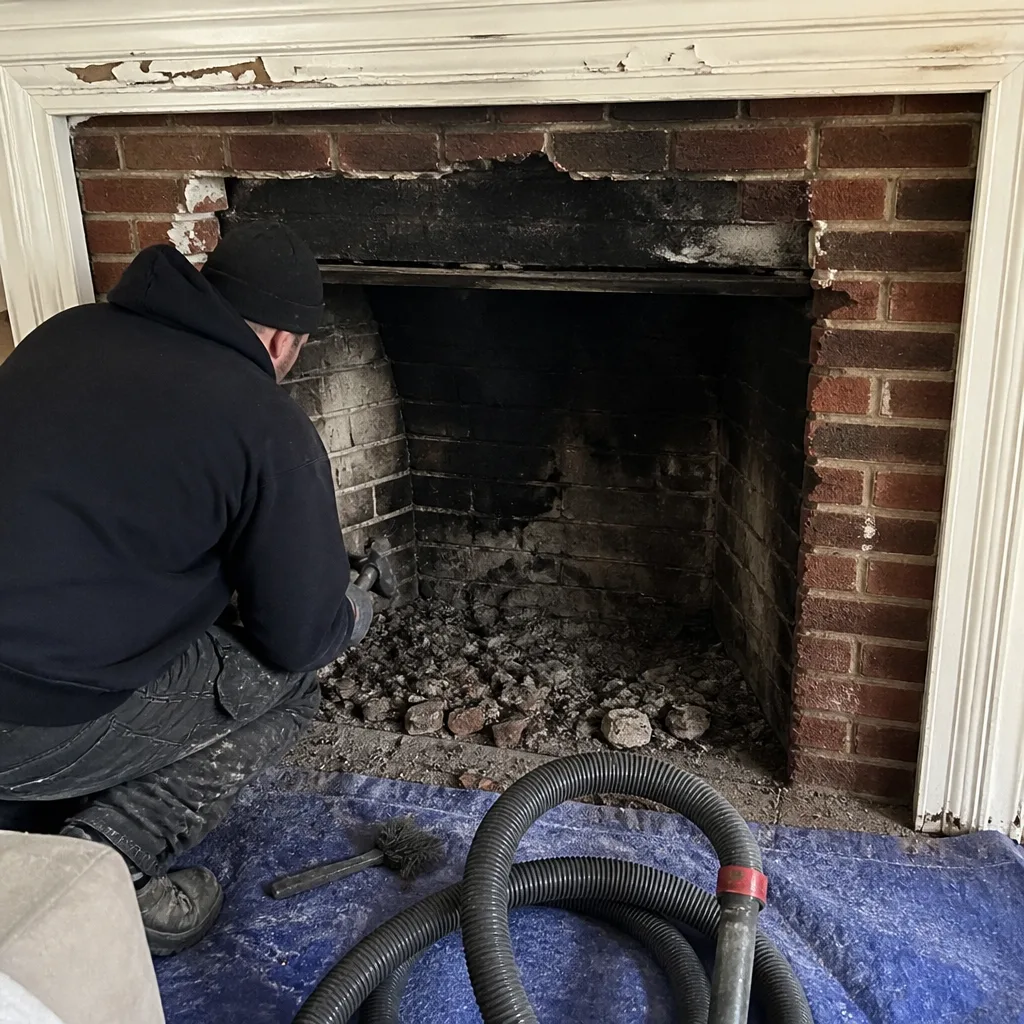 Before
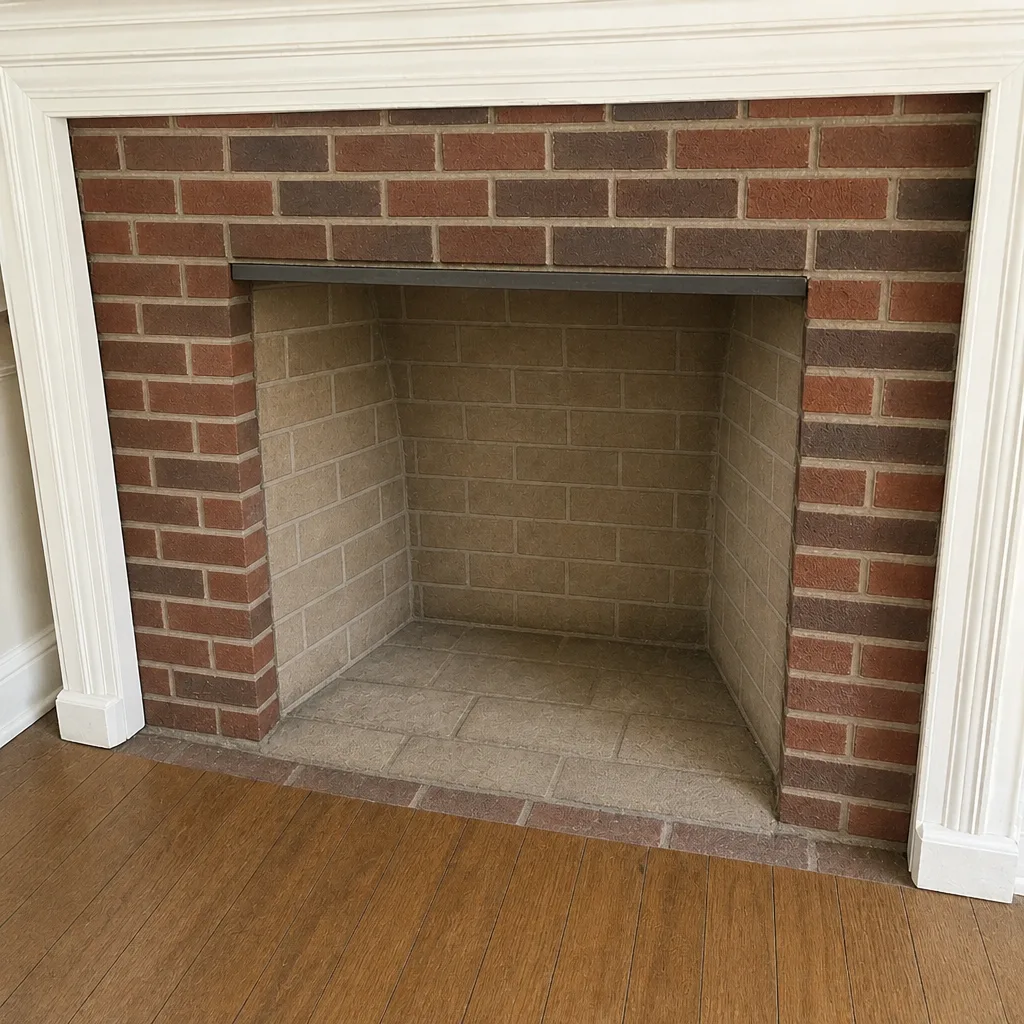 After
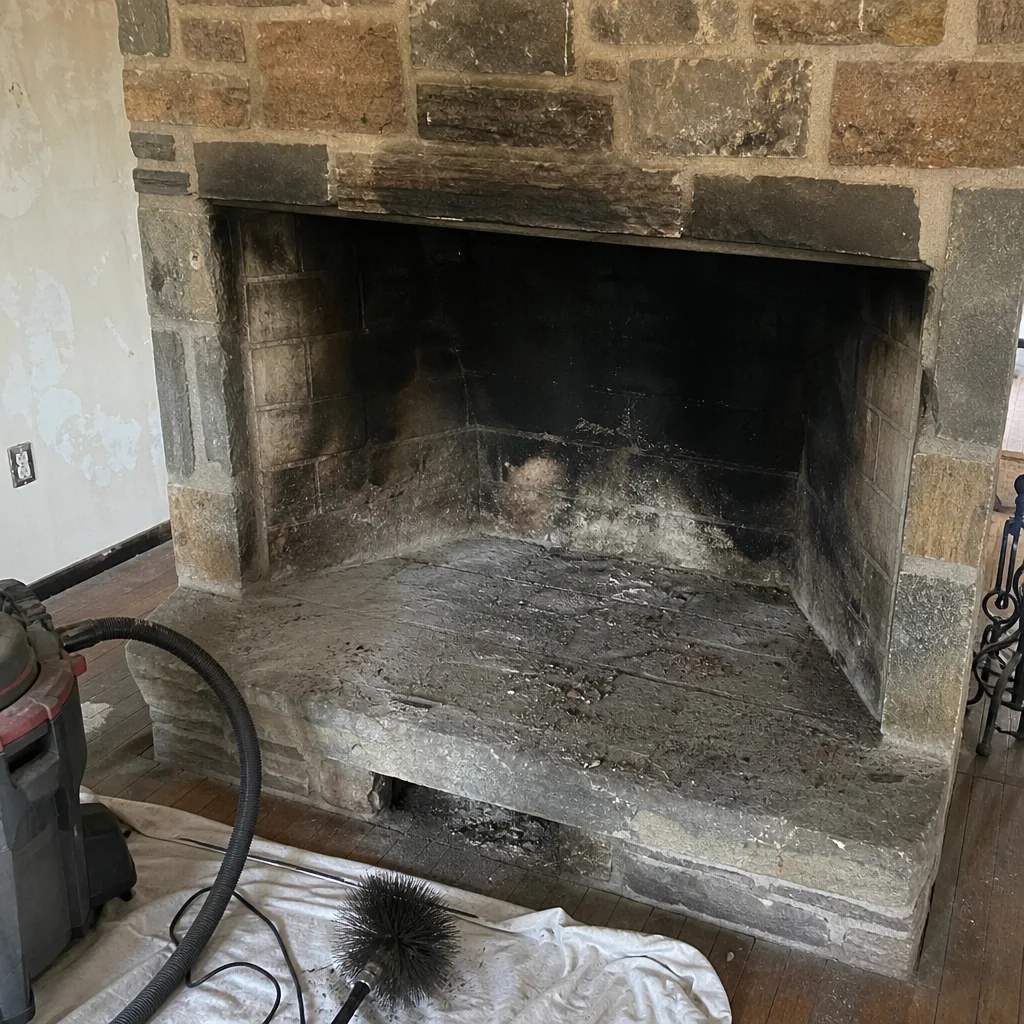 Before
 After
 Before
 After
When to Call a Professional
Call a professional when the 1/8-inch threshold is met, when the damper, smoke shelf or cap fails your inspection, when you see masonry cracks or spalling, or when the fireplace smells or drafts differently. Those are the failures you can’t fix from a stepladder. If you’ve had a chimney fire, or suspect one, stop using the fireplace and call before the next fire.
The good news is that chimney maintenance is mostly a matter of spotting problems early. Call Chimney Sweep Gravesend at (855) 342-5978 for a free estimate on chimney sweep, cap, crown and repair work in Gravesend. We answer 24/7, with fast dispatch from 7am to 7pm, Sunday through Friday.
Frequently Asked Questions
It depends on how much you burn and how much creosote has built up. The trigger is about 1/8 inch of creosote on the flue, or about a quarter inch in the firebox and smoke chamber – not a fixed calendar interval. A household burning several cords a season in a Gravesend rowhouse may need attention every year; a household burning a dozen fires can go longer, though an exterior and cap inspection is still worth doing annually.
Not always. A damaged flue tile can often be resurfaced rather than rebuilt, and HeatShield ceramic resurfacing is the repair-grade system we use because it restores the liner without a full rebuild in many cases. Whether you need it comes down to what a camera inspection shows, and that verdict should come before any recommendation to replace. Call (855) 342-5978 for an estimate and ask to see the inspection findings.
Creosote keeps building and masonry keeps deteriorating, and both are harder and more expensive to fix once they’ve gone farther. A blocked or damaged flue can also let carbon monoxide into the house, which is the reason this isn’t a “do it later” job. Skipping a check that takes ten minutes is a different risk than skipping the repair it flags, so the checklist exists to let you catch the small problems before they’re big ones.
Yes, in one important way: water damage and a failing chimney on an attached wall can affect the neighbor’s structure, so exterior masonry checks matter more than they would on a detached home. Look closely at the flashing where the parapet meets your stack and at any spalling brick on the shared wall. If you see cracks or staining, call a specialist rather than waiting for the next warm season.
Yes, most of this guide is written so you can. You can check the cap and screen, look at the crown and mortar joints from the ground, test the damper, look at the smoke shelf with a flashlight, and note odor, draft and flame color. What you should not do is brush the flue yourself, climb an unsafe rowhouse roof, or pull a bird’s nest out of the chimney. Those need a trained technician.
Both. Heavy creosote is flammable, and a chimney fire can damage the flue and structure. Even without a fire, a clogged or dirty flue restricts draft and can allow combustion gases, including carbon monoxide, to leak into the living space. A firebox that smokes into the room, or a detector that goes off when the fireplace is running, means stop using it and call. A sweep sees the creosote load, the cap condition and the masonry and can tell you which of those issues are real and which can wait.
The Bottom Line
Chimney maintenance in Gravesend comes down to a few measurable conditions: creosote thickness, damper and smoke shelf function, cap and screen condition, and the state of the exterior masonry at the crown, joints, flashing and parapet junction. Run the homeowner checks yourself – the damper test, the smoke shelf look, the cap and screen inspection, and the firebox check – and keep a short log of odor, draft, flame color and how much you burned. Call a professional when the 1/8-inch creosote rule is met, when masonry fails, or when the fireplace behaves differently than it used to. A checklist tied to those conditions tells you what’s clear and what isn’t, which is something a calendar never will.
Written by the team at Chimney Sweep Gravesend.