
Last updated November 22, 2026
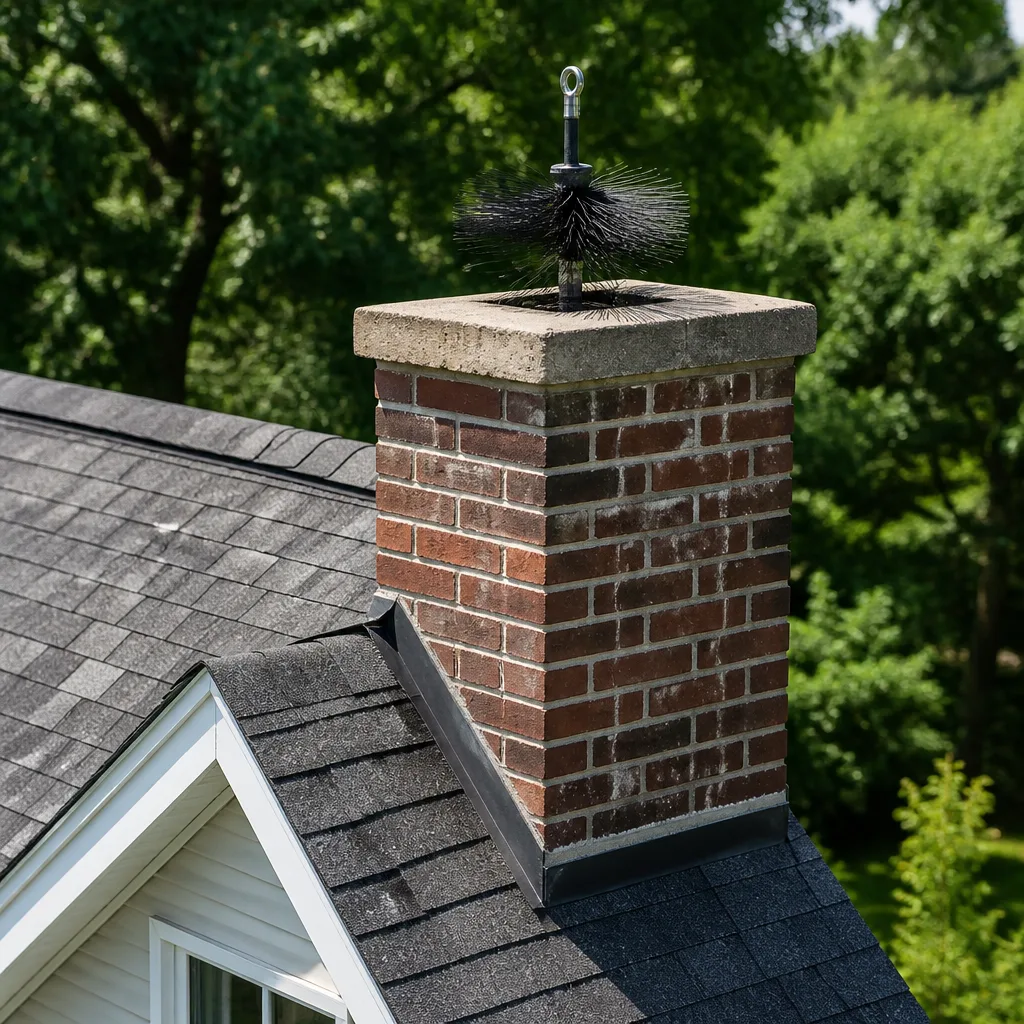 Sweep & inspection
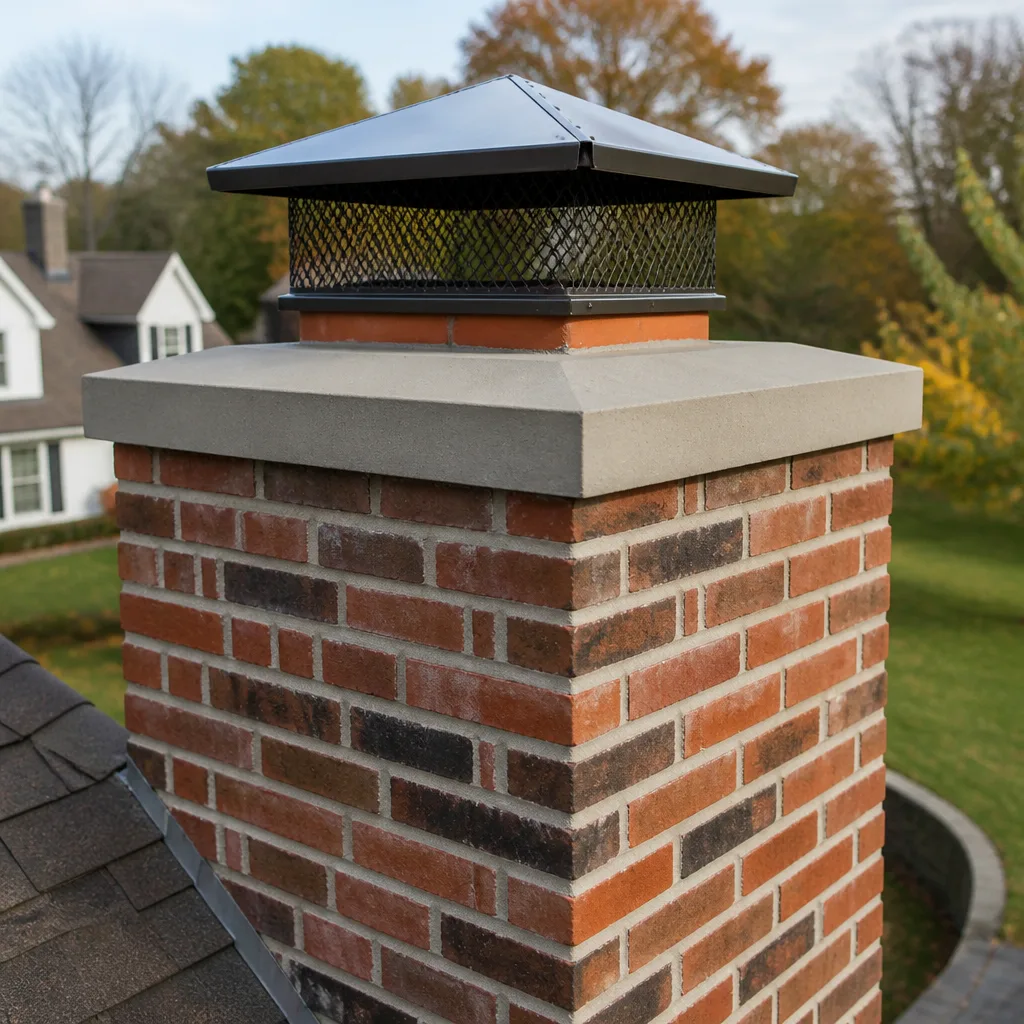 Caps & crowns
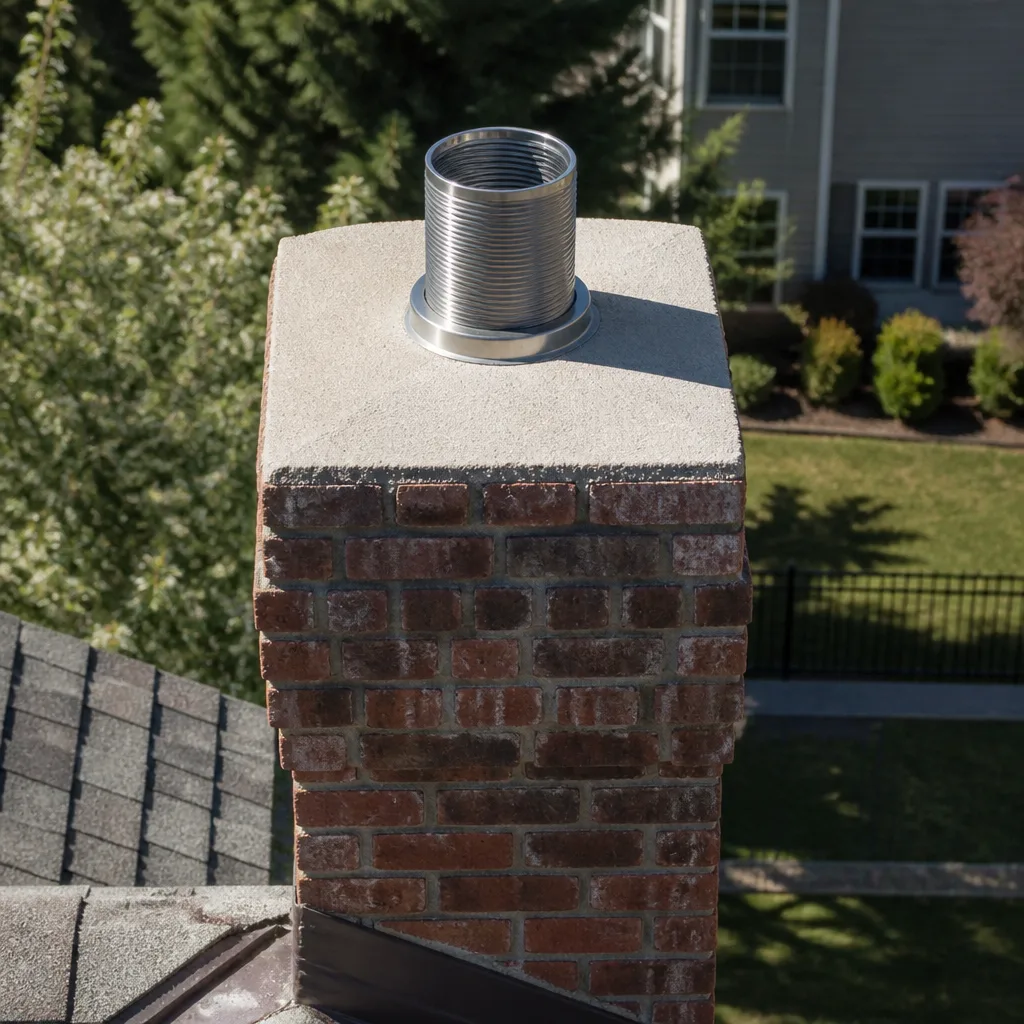 Flue relining
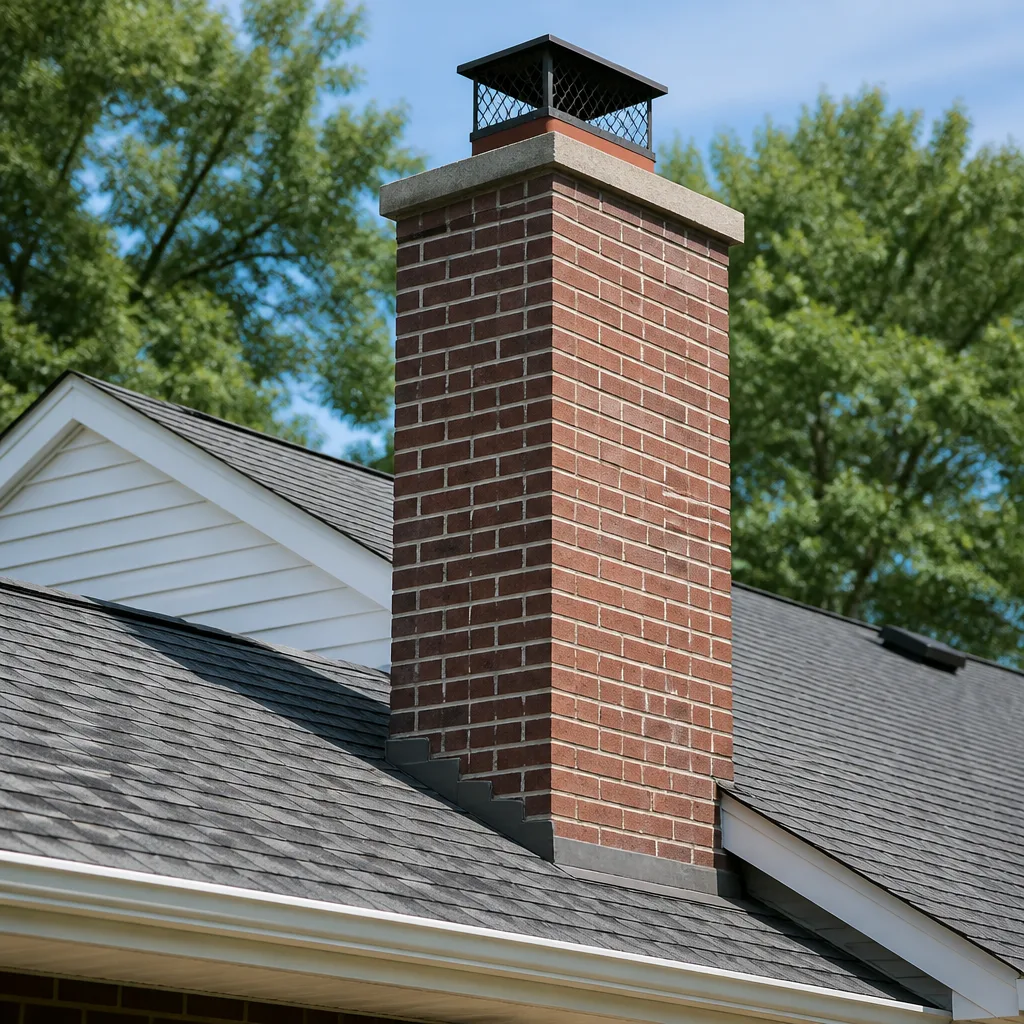 Masonry repair
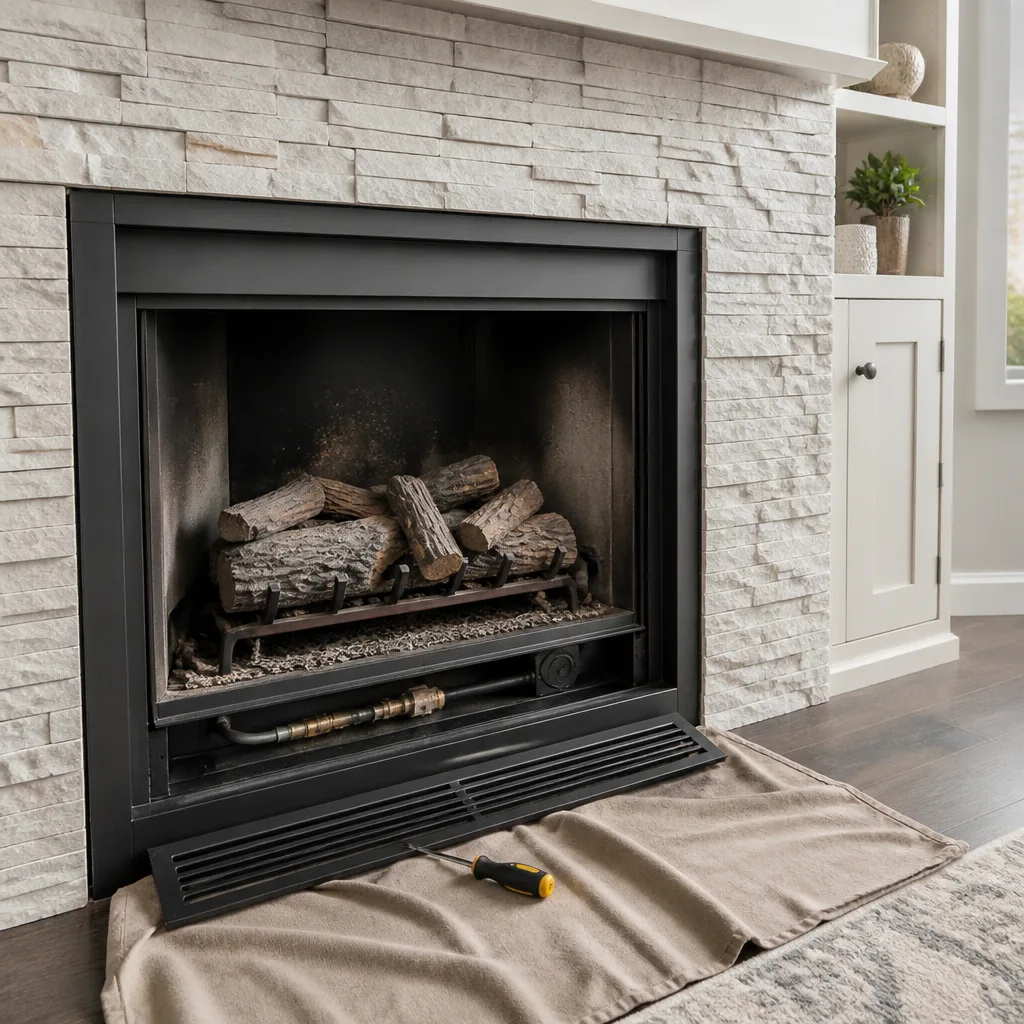 Gas fireplace service
Level 1 sweep and inspection to the NFPA 211 annual standard - flue, crown, cap, and flashing checked and photographed
Chimney sweep logs do not sweep chimneys. They loosen some creosote - which then falls where a brush and vacuum still have to collect it.
The Complete Guide to Chimney Cleaning in Gravesend
Most chimney fires don’t start in neglected chimneys. They start in chimneys that were “cleaned” without anyone checking the liner first. A brush goes up, soot comes down, the homeowner is told everything is fine, and the cracked flue tile or glazed creosote behind the brush never gets looked at. In Gravesend, where attached rowhouses share walls and flues and where decades of oil heat have left their mark on brickwork, that gap between “swept” and “inspected” is where real problems hide. This guide walks through what chimney cleaning in Gravesend actually involves, why the neighborhood’s housing stock changes the job, and how to tell a proper cleaning visit from a quick brush-and-go.
Quick Answer
Chimney cleaning in Gravesend means removing creosote and soot from the flue and firebox, then verifying with a camera inspection that the liner is intact and correctly sized for what you’re burning. In Gravesend’s older attached homes, the flue often shares a wall with a neighbor’s or runs on an offset that hides damage from a straight look, so the inspection matters as much as the sweep. A legitimate visit ends with a written report and photo or video evidence, not just a verbal “you’re all set.”
Styles & brands we work with
- Sweep & inspection
- Caps & crowns
- Flue relining
- Masonry repair
- Gas fireplace service
Table of Contents
- Why Gravesend Chimneys Are Different
- How Creosote Forms and Why Its Stage Matters
- Level 1, 2, and 3 Inspections Explained
- What a Legitimate Cleaning Visit Looks Like
- Shared and Offset Flues in Attached Homes
- Oil-to-Gas Conversions and Undersized Liners
- Freeze-Thaw Winters and Liner Damage
- Common Mistakes to Avoid
- When to Call a Professional
- Frequently Asked Questions
Why Gravesend Chimneys Are Different
Gravesend is a neighborhood of attached rowhouses built in waves, and those houses carry chimney systems that were never designed with modern appliances in mind. When a house was heated by coal and then converted to oil, the flue was expected to carry a certain volume and temperature of exhaust. Swap in a different fuel or a higher-efficiency appliance and the flue’s original assumptions stop holding. That’s the core reason generic chimney advice doesn’t map cleanly onto Gravesend homes.
Three local factors shape the work:
- Attached construction. Party walls mean flues run tight against a neighbor’s, sometimes sharing a stack or emerging on an offset that bends partway up. A brush sized for a straight run can miss a shelf of creosote at the bend.
- Fuel history. Many fireplaces here were converted from oil to gas or from coal to oil at some point. Each conversion left behind a clay tile liner that may or may not suit the current setup.
- Freeze-thaw cycling. Brooklyn winters push water into masonry, freeze it, and let it expand. That cycle is hard on crowns and on the mortar joints around flue tile, and it accelerates cracking that a cleaning visit should catch.
None of this means Gravesend chimneys are unusual in some exotic way. It means they need a sweep who knows the local building pattern and looks beyond the firebox. When we handle a chimney sweep in this neighborhood, the conversation usually starts with the liner and the flue path, not the soot load.
How Creosote Forms and Why Its Stage Matters
Creosote is the residue left when wood smoke cools against the flue walls. It doesn’t arrive all at once, and it changes character as it builds. The stage matters because each stage responds to a different cleaning method, and brushing the wrong stage is how chimneys get “cleaned” without actually getting safe.
- First-degree creosote is light, flaky, and soot-like. It brushes off easily and is what most people picture when they think of a sweep.
- Second-degree creosote is harder, sometimes tar-like, and clings to the flue surface. It takes more brush work and sometimes a stiff poly brush to break down.
- Third-degree creosote is glazed and shiny, and it’s essentially a fuel layer baked onto the liner. It doesn’t brush off, and it’s the stage most closely associated with chimney fire risk.
Glazed deposits need chemical treatment before brushing, not force. This is where the product choice starts to matter. HeatShield, a ceramic resurfacing system, is used in the industry for liner restoration, and it’s part of how we handle flues where the glazing has gone too far for a brush alone. The point isn’t the brand name for its own sake; it’s that third-degree creosote needs a repair-grade answer, and most sweep-only services don’t carry one. If you’re seeing shiny black deposits or hearing what sounds like a rumble from the flue, that’s a sign the cleaning has moved past routine and into liner assessment.
Wood choice and burn habits drive creosote accumulation more than most homeowners realize. Unseasoned wood and smoldering, low-air fires produce more of it. So does a flue that’s oversized for the firebox, because the exhaust cools before it exits.
Level 1, 2, and 3 Inspections Explained
The chimney industry uses a three-level inspection framework, and the level you need depends on what’s happening with the chimney, not on a fixed schedule. Getting the level right is a big part of why an inspection is worth doing properly.
- Level 1: A visual check of the accessible portions of the firebox, flue, and chimney exterior, done with the standard tools a sweep carries. Appropriate when the chimney is in routine use, hasn’t changed, and there’s no known problem. This is what typically accompanies an annual cleaning.
- Level 2: Everything in Level 1 plus a video camera scan of the flue interior, and inspection of accessible areas like the attic and crawl space. Required whenever the chimney has changed, a fuel source or appliance has been swapped, a property changes hands, or after an event like a chimney fire. In Gravesend, this is the level that catches the cracked flue tile and offset damage a Level 1 can’t see.
- Level 3: Everything in Level 2 plus opening up concealed areas, which may mean removing parts of the chimney or wall. Reserved for cases where the camera shows a problem that can’t be assessed or fixed without access.
After a Brooklyn freeze-thaw winter, a Level 2 is often the right call even when nothing has obviously changed. The camera catches hairline cracks in tile that let heat reach combustible material. If you’re replacing an appliance, buying a home, or recovering from a chimney fire, ask for a Level 2 by name. A sweep who doesn’t offer it isn’t giving you the full picture.
Our technicians have up to 15 years of experience with these inspections, and because the same specialist handles the repair side, a camera finding gets translated directly into what it will take to fix it. That’s why the inspections we perform inform real repair decisions rather than a checklist. A full chimney sweep and inspection service in Gravesend should leave you with a written report you can hold onto between visits.
What a Legitimate Cleaning Visit Looks Like
A proper cleaning visit has a predictable shape. If a service shows up, runs a brush up, and is gone before the tea goes cold, something was skipped. Here’s how the process should go from start to finish:
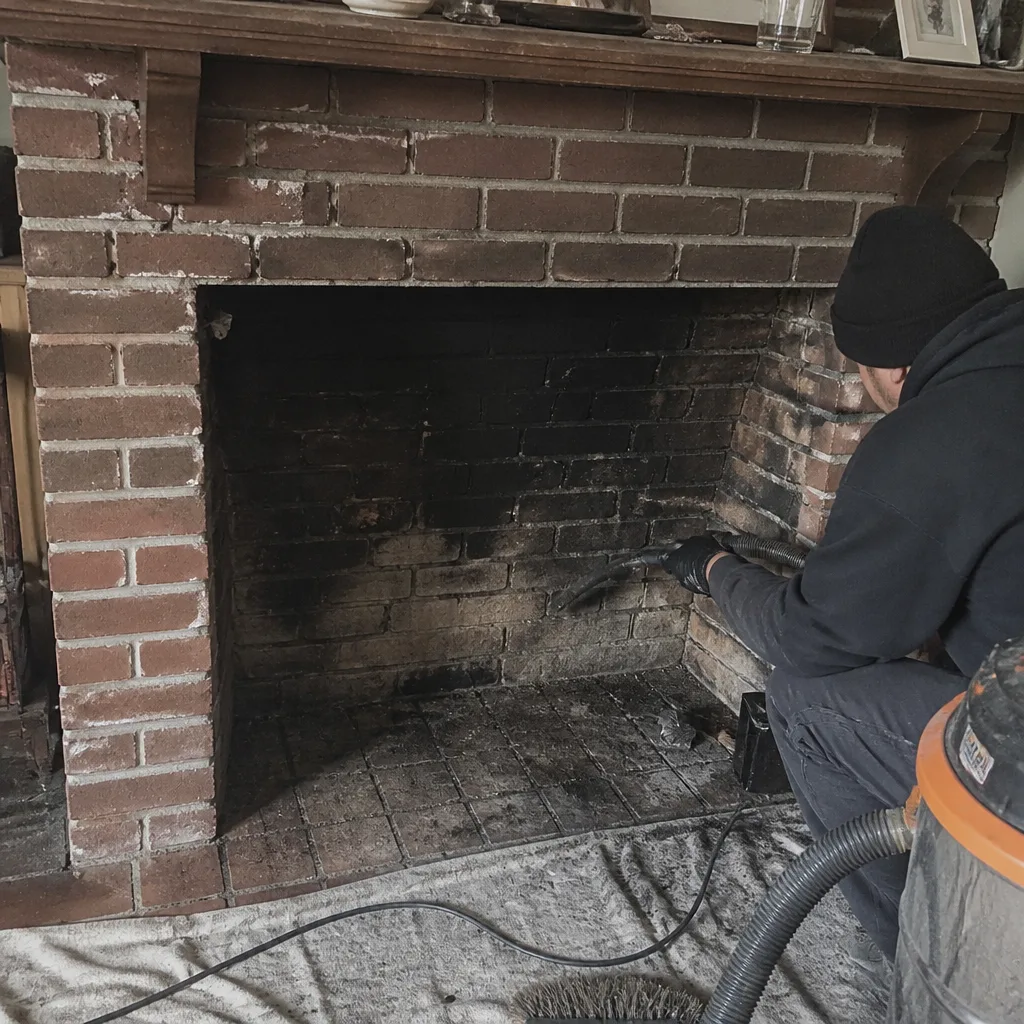
- Setup. Drop cloths go down around the hearth and any traffic path, and a vacuum loop is connected to the firebox so soot and dust get captured at the source instead of drifting into the room.
- Pre-clean inspection. The technician looks at the firebox, damper, and flue before brushing, checking for obstructions, animal nests, or structural problems that would make brushing unsafe or pointless.
- Brushing. The flue is swept top-down or bottom-up with a brush sized to the flue. In an offset flue, the brush and technique have to handle the bend, and that means the right sizing rather than the nearest available brush.
- Camera scan. A video camera runs the length of the flue so the interior is seen, not assumed. Cracks, gaps in mortar joints, and glazed creosote all show up here.
- Exterior check. The cap, crown, and flashing get looked at, because these are what keep water out and they degrade in Brooklyn winters.
- Written report. You get documentation of what was found and what it means, with photo or video evidence so you can see what the technician saw. Recommendations should be tied to that evidence.
That last step is the one that answers the most common fear: being told you need thousands of dollars of liner or masonry work with no way to verify it. A legitimate visit shows you the footage. Nothing gets recommended without camera evidence you can look at yourself, and a good technician will tell you plainly when something can safely wait until the next season.
Our chimney-cap and crown work gets folded into the same visit when it’s needed, so weatherproofing isn’t a separate job handed to a different contractor. That’s part of what chimney cap & crown work looks like when it’s done alongside the cleaning rather than after it.
Shared and Offset Flues in Attached Homes
In Gravesend’s attached rowhouse stock, flues rarely run straight up from the firebox to the top of the chimney. Older buildings often route the flue around a structural element, which creates an offset, and many share a stack with a neighboring unit or with appliances elsewhere in the house. That geometry changes the cleaning.
An offset is a bend, and a bend collects creosote on the shelf below it. A brush sized for the main run can pass by a shelf of glazed deposit on an angle without ever touching it. The technician has to know the flue’s shape going in, which is why the pre-clean inspection and the camera scan matter more on these homes than on a straight flue.
Shared stacks raise a different question: which flue serves which appliance. When the party wall hides two flues running side by side, a clean on one and not the other doesn’t add up to a safe chimney. A camera scan tells you which flue is yours and what condition it’s in. If the camera shows offset damage or a cracked tile, that’s a finding that belongs in your written report and your decision about chimney repair, not something to discover later.
Oil-to-Gas Conversions and Undersized Liners
Many Gravesend homes were originally oil-heated, and a lot of fireplaces went from coal to oil and then from oil to gas over the years. Each conversion changes the exhaust the flue has to carry. The trouble is that the clay tile liner installed for the old fuel often stays in place for the new one, and it may be the wrong size for the job.
An undersized liner for the appliance now connected to it can cause the exhaust to cool and condense, which accelerates creosote and moisture damage. A liner sized for the old fuel can also be missing components the current appliance needs. When the camera scan shows this, the answer isn’t a bigger brush; it’s relining.
DuraFlex is a flexible stainless relining product the professional trade uses for this kind of correction, and it’s one of the names we carry because materials matter as much as labor. Relining restores the flue to a size and surface that suits what you’re burning, so the fireplace is safe to use again. The decision should follow a Level 2 inspection and a look at the footage, and it should come with an honest note on whether anything about the current setup can be used as-is for now.
Freeze-Thaw Winters and Liner Damage
Brooklyn winters are hard on masonry. Water finds a hairline crack, freezes, expands, and widens it, then thaws and repeats. Multiply that over a season and the mortar joints around flue tiles, the crown at the top, and the brick near the roofline all take abuse.
The crown is the concrete or masonry top surface of the chimney that sheds water away from the flue. When it cracks, water goes down into the chimney structure instead of running off. A cap keeps rain and animals out of the flue itself, which matters in a neighborhood where flues sit at roof level on buildings close enough to invite wildlife. Both are cheap to address compared to liner work, and both are best handled before the next freeze.
This is why an inspection after winter is worth planning for in Gravesend. The camera scan catches tile cracks that the freeze-thaw season opened up, and the exterior check catches crown damage before it turns into saturated masonry. It’s also why we handle caps and crowns as part of the cleaning relationship rather than as a separate service: the two problems share a cause and a season, and keeping them with one specialist avoids the handoff problem where the sweep says “call a roofer” and the roofer says “call a sweep.”
A note on materials here: Copperfield is a name in copper chimney caps and related products, and matching the cap to the chimney rather than to a big-box shelf price is the difference between a cap that lasts and one that rusts through in a few winters.
Common Mistakes to Avoid
- Treating a sweep as a cleaning only. Cleaning without a camera scan means the liner is assumed rather than seen, and in Gravesend’s offset flues that assumption is where trouble hides.
- Skipping the Level 2 after a fuel change. If the appliance or fuel changed since the last inspection, a Level 1 doesn’t cover it. Ask for the level by name.
- Brushing glazed creosote. Third-degree deposits need chemical treatment first. A brush forced through glazing can damage tile and still leave the deposit behind.
- Ignoring the crown. A cracked crown lets water into the masonry and undermines everything below it. It’s one of the cheapest fixes on the chimney and the easiest to defer until the damage gets bigger.
- Buying the “cheapest cleaning” with no report. A verbal all-clear with no photo or video evidence leaves you with no way to verify anything, which is the opposite of what you’re paying for.
- Assuming an oil-era liner works for gas. An undersized clay tile liner for the current appliance is a relining question, not a sweeping question.
- Burning unseasoned wood. Wet wood produces more creosote, and no amount of sweeping compensates for a flue that’s fed smoldering fires all season.
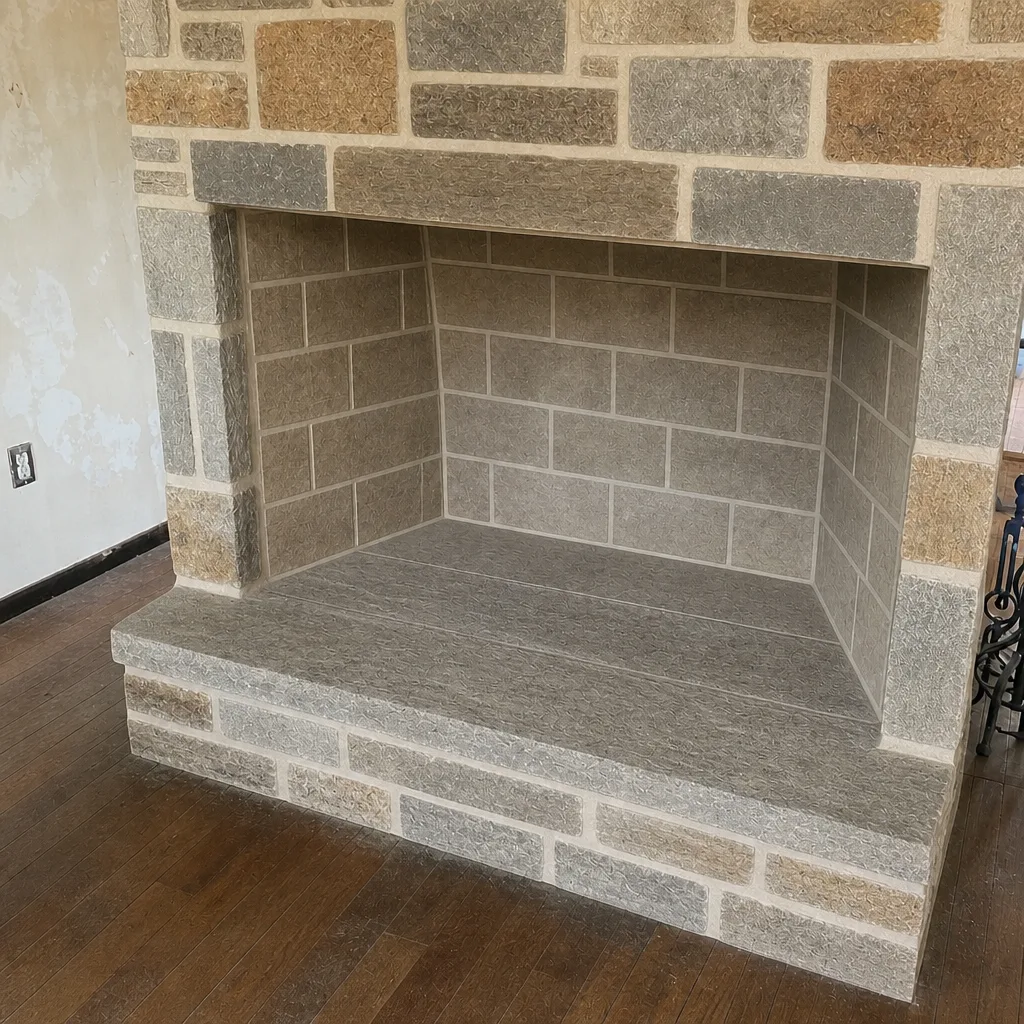
See the difference
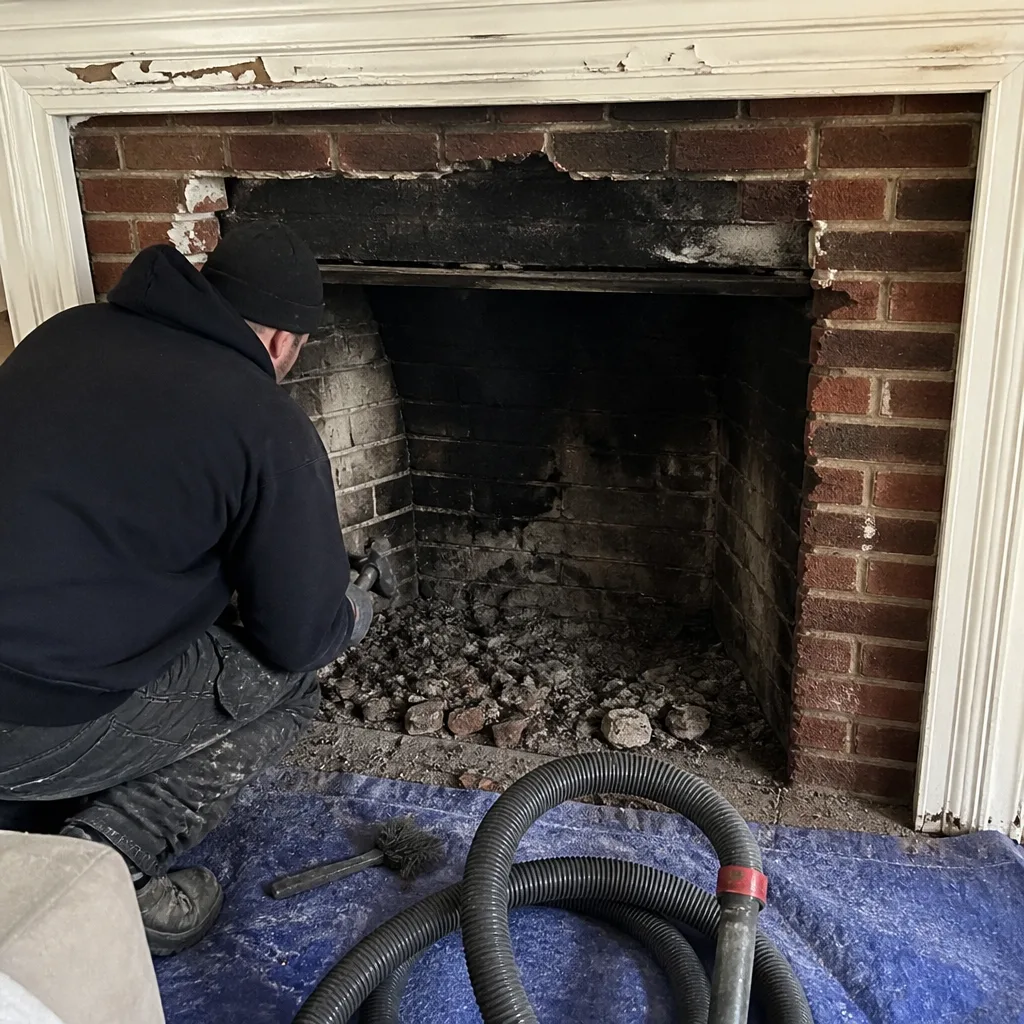 Before
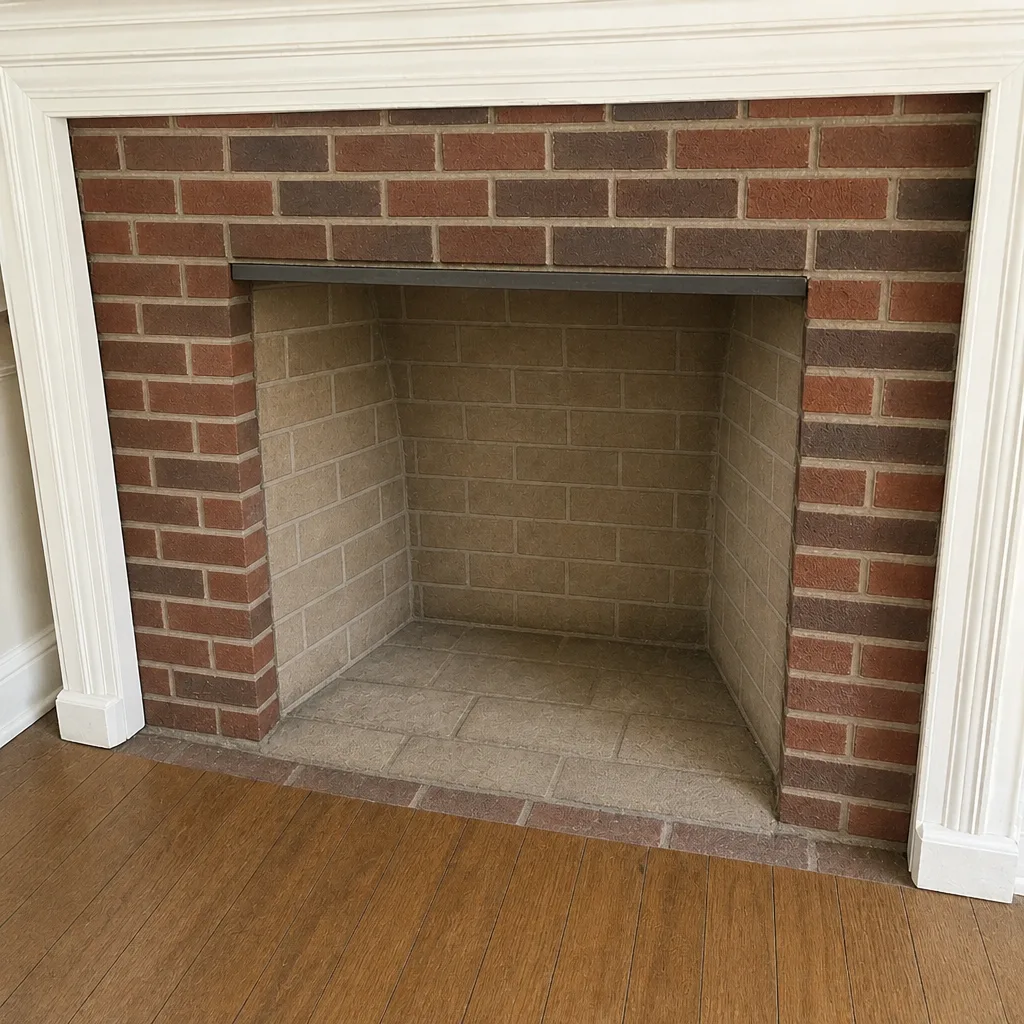 After
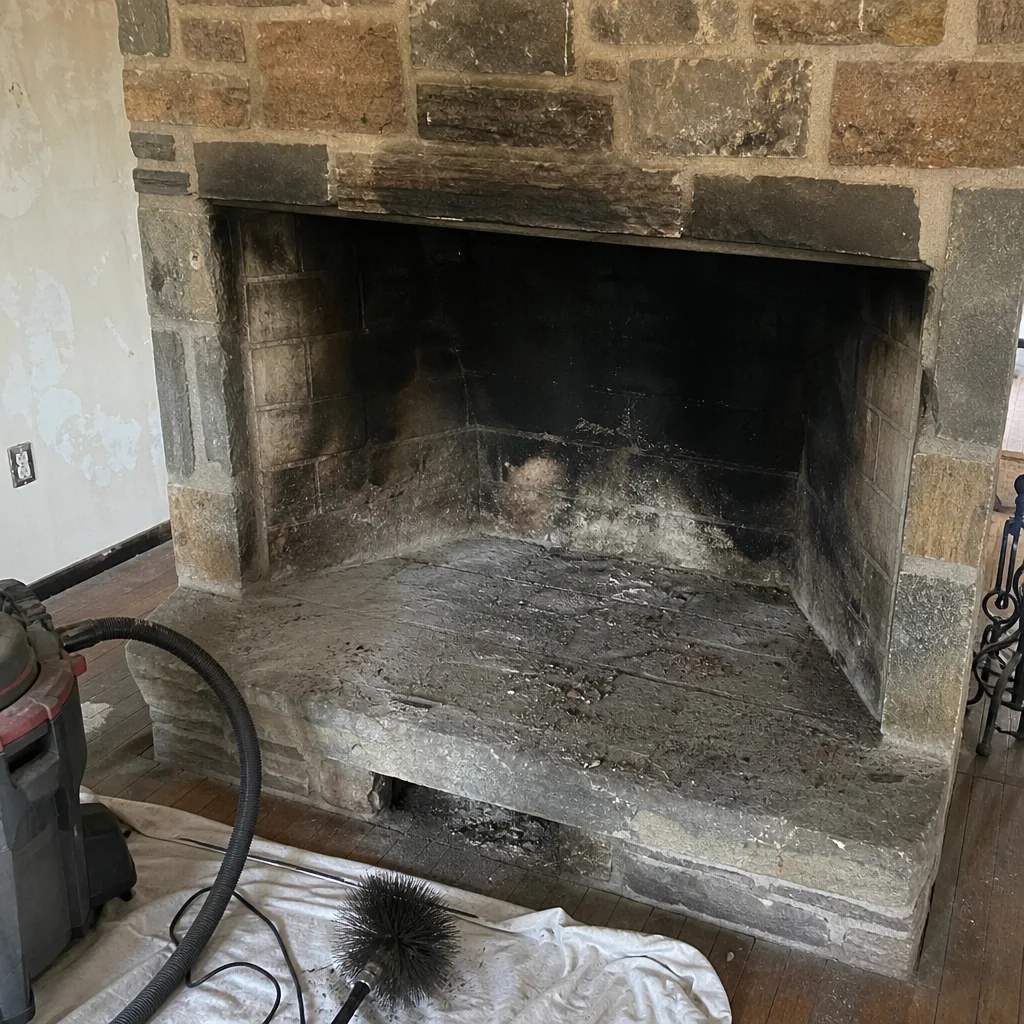 Before
 After
 Before
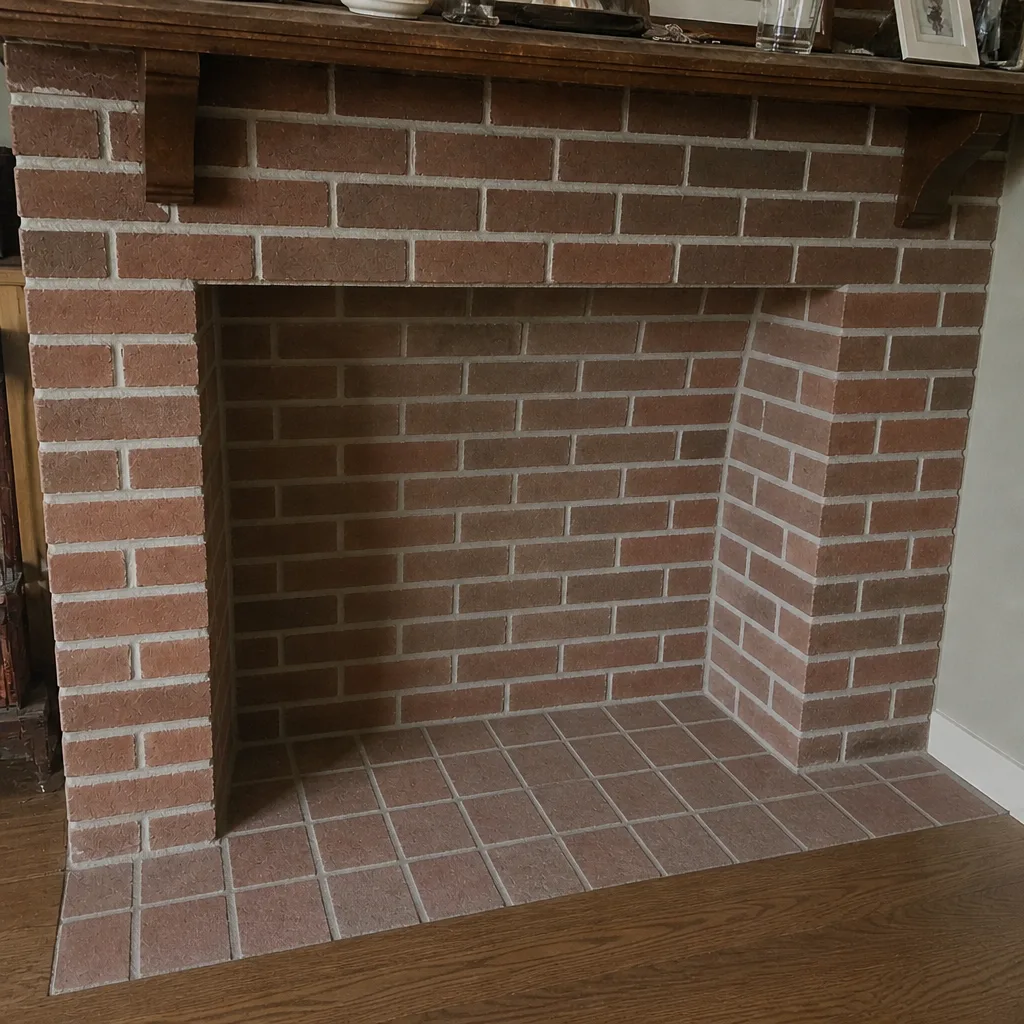 After
When to Call a Professional
Call a professional when you’re seeing signs a camera needs to confirm: shiny black deposits in the flue, a strong creosote smell, smoke spilling into the room, or a rattle or boom from the chimney after a fire. Call before you use the fireplace again if a fuel source or appliance has changed, if you’ve moved into a home with no chimney records, or after any suspected chimney fire. Call when the crown looks cracked or the cap is missing or damaged, because that’s weather damage in progress. And call on your usual cleaning schedule even when nothing is wrong, because routine maintenance is far cheaper than what the freeze-thaw cycle does to a flue nobody inspects. If you’re not sure whether your fireplace is safe to light, that itself is reason enough. Chimney Sweep Gravesend offers free estimates in Gravesend – call (855) 342-5978.
Frequently Asked Questions
Once a year for most homes that use the fireplace regularly, and more often if you burn a lot of wood or notice creosote building up. Annual cleaning is the baseline the industry recommends, and it’s the interval that lets a Gravesend homeowner catch liner damage from the previous winter before the next heating season. Call (855) 342-5978 to schedule a sweep – estimates are free.
Cleaning removes creosote and soot; the inspection verifies the flue and firebox are safe and intact, including a camera scan that shows the inside of the liner. You need both, and in Gravesend’s attached homes the inspection is the part that catches shared-flue and offset problems a brush can’t. Call (855) 342-5978 for an exact quote – estimates are free.
Yes, a property change of hands is one of the situations that calls for a Level 2 inspection with a camera scan. It’s the level that catches cracked tile, offset damage, and undersized liners left over from an earlier fuel conversion that a visual check will miss. Call (855) 342-5978 to book a Level 2 – estimates are free.
Creosote builds in layers, and once it reaches the glazed stage it’s a fuel source on the inside of the flue, which raises chimney fire risk. The other risk is the one nobody sees: cracked or missing liner allowing heat to reach combustible material next to the chimney. Call (855) 342-5978 to get the flue checked before the next burn season.
Not always, but you need a camera to know for sure. Gas appliances often need a differently sized flue than the oil appliance that preceded them, and an undersized clay tile liner can be relined with DuraFlex rather than rebuilt. Nothing should be recommended without footage you can see. Call (855) 342-5978 for an inspection and a straight answer – estimates are free.
Attached homes in Gravesend often share or offset their flues, so the flue’s shape and which flue serves which appliance both change the cleaning job. The camera scan and the written report are what make those differences manageable. Call (855) 342-5978 to have yours looked at – estimates are free.
The Bottom Line
A chimney cleaning that doesn’t include a camera inspection is only half a job, and in Gravesend that half is the part that matters most. The dense rowhouse stock, the offset and shared flues, the oil-era liners that never got resized, and the freeze-thaw damage from Brooklyn winters all mean the flue’s condition has to be seen rather than guessed at. Book the sweep with an inspection attached, insist on the written report and the footage, and handle caps and crowns before the next season. One specialist for sweep, inspect, cap, crown, repair, and fireplace work is the simplest way to close the loop.
Chimney Sweep Gravesend offers free estimates in Gravesend. Call (855) 342-5978. We answer 24/7. Fast dispatch from 7am to 7pm, Sunday through Friday.
Written by the team at Chimney Sweep Gravesend.