
Last updated November 22, 2026
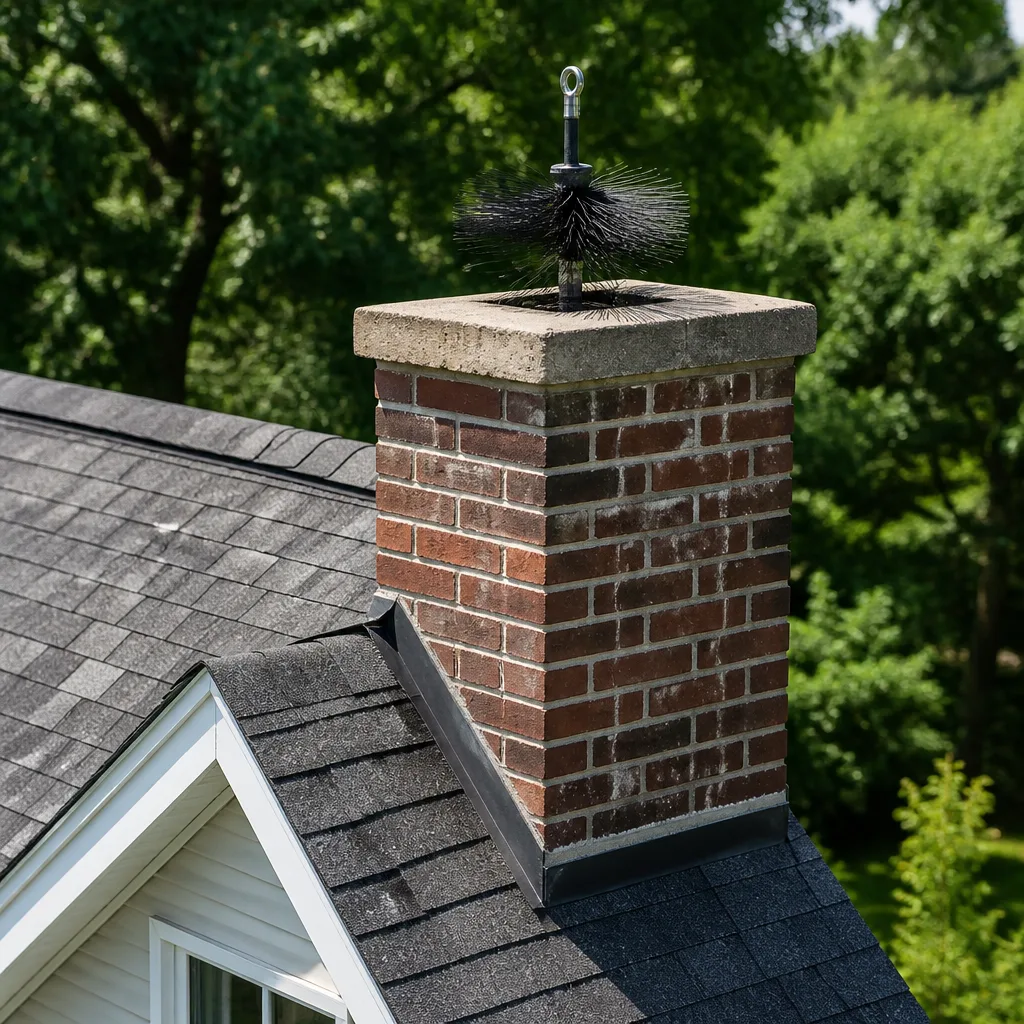 Sweep & inspection
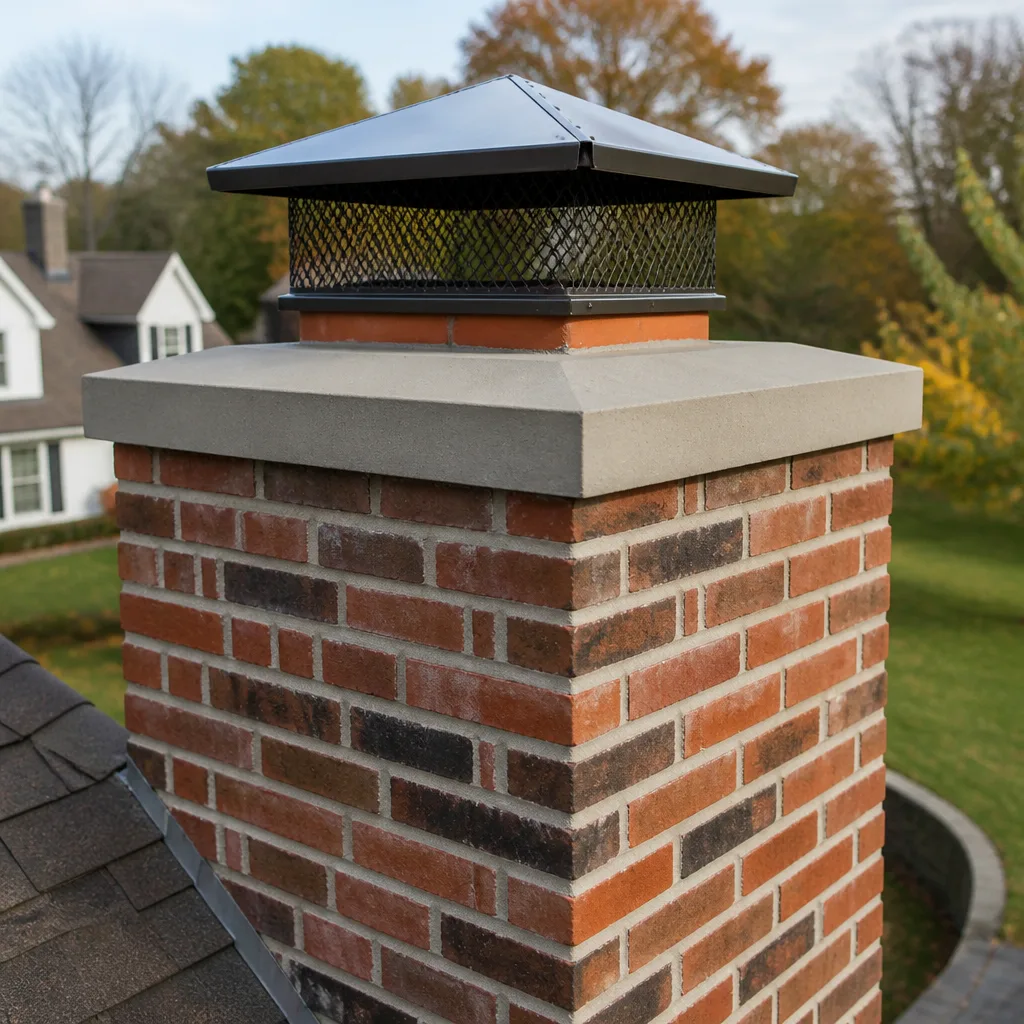 Caps & crowns
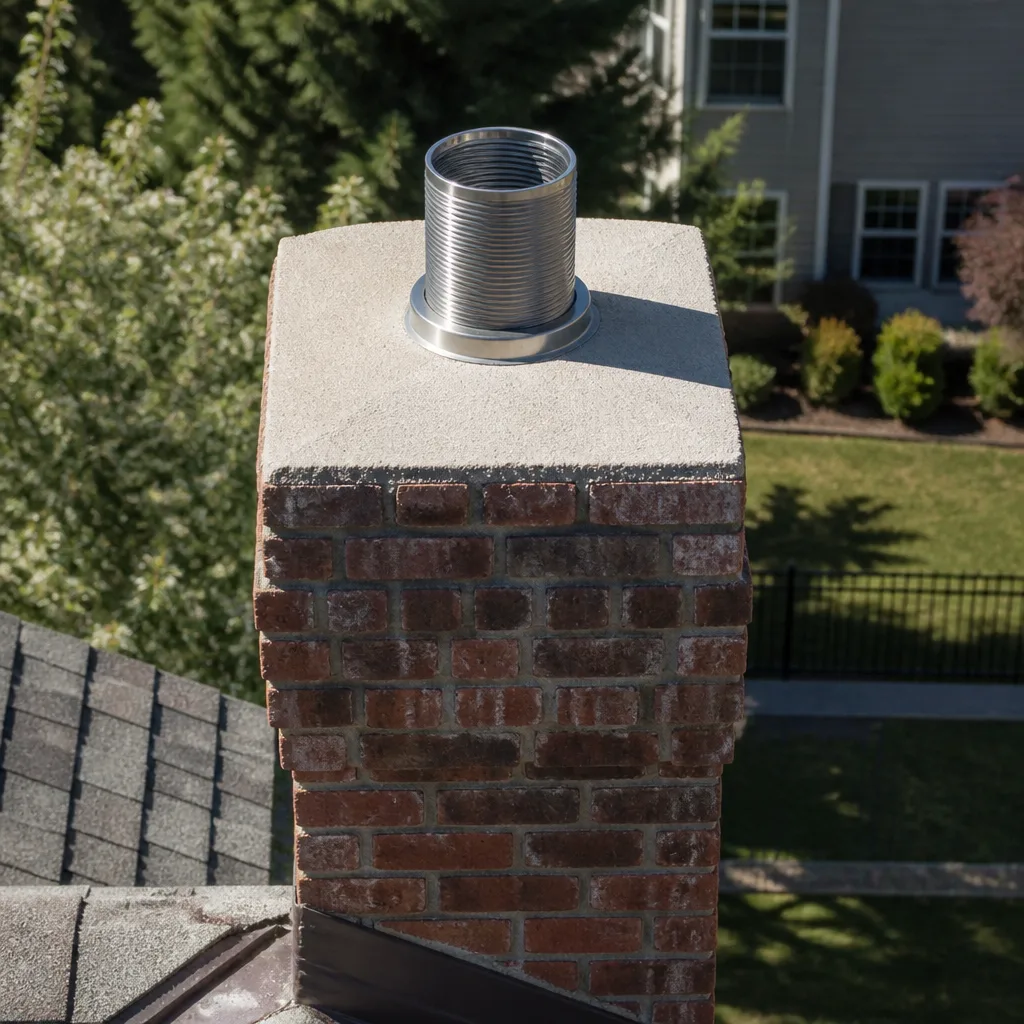 Flue relining
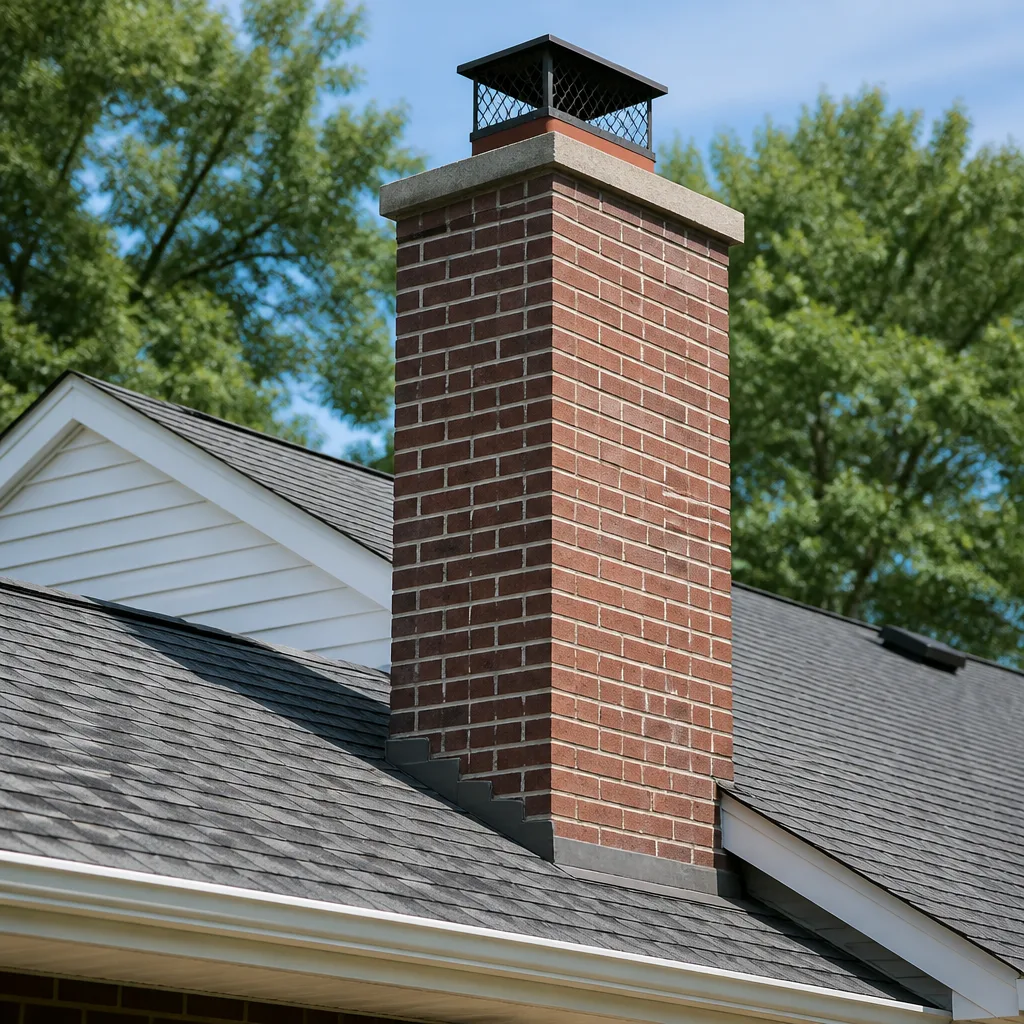 Masonry repair
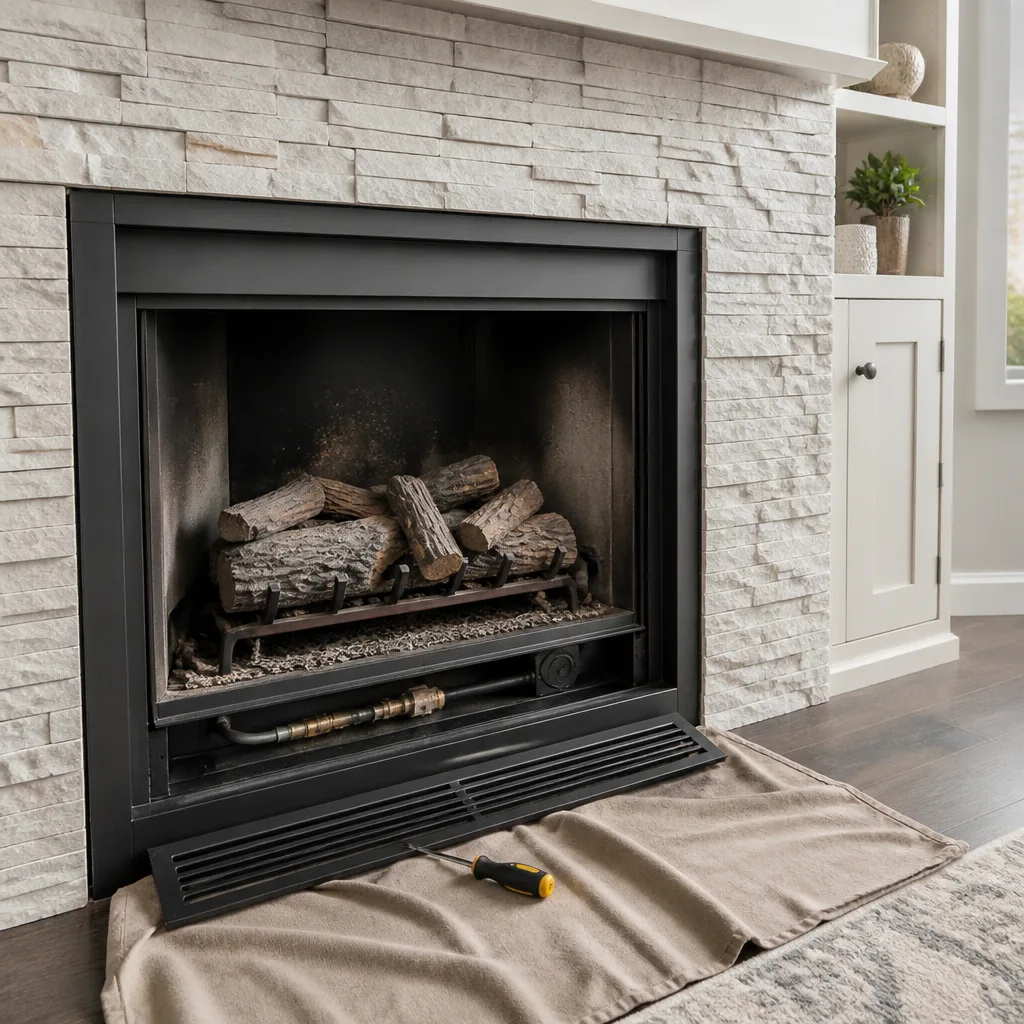 Gas fireplace service
Level 1 sweep and inspection to the NFPA 211 annual standard - flue, crown, cap, and flashing checked and photographed
Chimney sweep logs do not sweep chimneys. They loosen some creosote - which then falls where a brush and vacuum still have to collect it.
Seasonal Chimney Cleaning Care for Gravesend: Year-Round Homeowner’s Guide
Most homeowners treat a chimney like a furnace filter: forget it until something goes wrong, then deal with it in a hurry. That approach usually backfires in the first cold snap of October, when the phone lines fill up and every sweep in the area is booked for weeks. Chimneys don’t fail on a convenient schedule. They fail on a season’s schedule, and each season here does something different to brick, mortar, and steel. This guide walks through what a Gravesend chimney actually goes through from spring to winter, which maintenance tasks belong in which window, and how to read the warning signs before they turn into repair bills. Chimney care is a calendar, not a checklist.
Styles & brands we work with
- Sweep & inspection
- Caps & crowns
- Flue relining
- Masonry repair
- Gas fireplace service
Quick Answer
Chimney care in Gravesend works best as a four-season cycle: inspect the liner in spring while the heating season has just ended, check mortar joints and flashing in summer before humidity and rain get to work on weak brick, sweep and service the damper in early fall before the October rush, and watch creosote and draft behavior through winter if you burn heavily. A yearly sweep and inspection sits at the center of that cycle. Everything else is timing.
Table of Contents
- Why Seasonal Care Beats Annual Care
- Spring: Post-Season Liner Inspection and the Case for Camera Scans
- Summer: Mortar, Flashing, and the Humidity Problem
- Fall: The Six-Week Window Before the Rush
- Winter: Creosote Checks for Heavy Burners
- Reading Your Draft as an Early Warning System
- The Gravesend Chimney Calendar at a Glance
- Common Mistakes to Avoid
- When to Call a Professional
- Frequently Asked Questions
- The Bottom Line
Why Seasonal Care Beats Annual Care
A single annual sweep is better than nothing. It’s also the bare minimum, and it treats every month of the year the same when the year isn’t the same at all. The chimney on a Gravesend brick house sees wildly different conditions in February than it does in July. Freeze-thaw cycles in late winter work on mortar joints that were already stressed by a season of heat. Summer humidity softens up the same joints from the outside. Fall brings a fresh coat of creosote as burning resumes. Ignoring that rhythm means you’re inspecting for the wrong problems at the wrong time.
Think about what a spring inspection actually catches. The heating season has just ended, so the liner is at its dirtiest and most revealing. Any cracking, spalling, or gap in the flue is fresh and visible. By contrast, an inspection in November happens after months of summer weather has had its way with the exterior, and after the first fires have already deposited new creosote over old damage. You’re inspecting a moving target.
There’s also a practical reason to spread the work across the year. Chimney repair happens in stages: sweep, inspect, then repair. In Gravesend, most of that repair work is weather-dependent. Mortar work, crown repair, and cap installation all need dry conditions. Scheduling inspections in the shoulder seasons leaves the warm, dry months open for the actual repairs so they finish before the first freeze.
Homeowners who burn wood as a primary or secondary heat source have the most to gain from a seasonal rhythm. If you’re running the fireplace five nights a week from November through March, an annual sweep isn’t enough. You’ll want a mid-season creosote check and a proper cleaning at the end of the burn, not the start of the next one. More on that in the winter section.
Spring: Post-Season Liner Inspection and the Case for Camera Scans
Spring is the single best window for a liner inspection in Gravesend, and it’s the window most homeowners skip. The reasoning is simple. The flue liner has just finished a season of hot exhaust, thermal expansion, and creosote deposition. If a joint has cracked, a seam has opened, or a tile has shifted, the evidence is there. Video camera scanning picks up what a flashlight from the firebox never will: hairline cracks, gaps at flue tile joints, and the texture of the creosote coating higher up the flue.
Why spring specifically? Access is easier. Roof work is safer in mild weather, and inspection doesn’t compete with the fall backlog. If the inspection turns up a problem, you have all summer to fix it instead of cramming the repair into a two-week window before the cold arrives.
Here’s how we run a spring inspection in Gravesend, roughly speaking:
- Sweep first, inspect second. A camera scan through a soot-coated flue is useless. The flue gets cleaned before the camera goes up.
- Run the camera down the flue. We record the scan and note the condition of every flue tile joint, the smoke chamber, and the damper.
- Check the firebox and smoke shelf. Cracks, loose mortar, and any sign of prior overheating get flagged.
- Walk the roof if conditions permit. Cap condition, crown cracks, and flashing get checked against the camera scan from below.
- Send you the report. The scan is recorded, and we walk through what we found so you can see it yourself.
If the liner is damaged but not failed, this is the right season for HeatShield resurfacing. HeatShield is a ceramic liner restoration system that resurfaced the inside of an existing flue instead of requiring a full liner replacement. It applies to clay tile liners with cracks, gaps, and spalling where the structure is still sound. A sweep-only company can’t offer this because it requires the repair skill set. We do this in spring because the cure needs time and mild temperatures, not because it’s convenient.
Spring is also a good time for a chimney sweep if you didn’t get one at the end of the burn season. Creosote that’s been sitting in a cool, humid flue all spring and summer gets harder to remove and more corrosive to the liner. Sweep now, inspect now, and you’ve got a clean slate going into the off-season.
Summer: Mortar, Flashing, and the Humidity Problem
Summer is the season most homeowners associate with chimney problems the least, and it’s exactly when the exterior of the chimney does the most quiet damage. Brick absorbs moisture. Mortar joints, which are softer and more porous than the brick they bind, absorb more. When a joint starts to recede, moisture gets in behind it and the freeze of the coming winter does the rest. You won’t see the crack in August. You’ll see the missing mortar in February.
That’s why summer is the season for a proper exterior inspection. A chimney inspection in warm, dry weather is comfortable and thorough. Any flashing work, crown repair, or cap replacement can happen on a dry roof without the risk of winter access issues. If you’ve been putting off a chimney cap & crown job, summer is the right time to schedule it.
What a Summer Exterior Inspection Should Flag
- Receded mortar joints. Look for joints that have pulled back from the brick or crumble with a thumb test. Tuckpointing repairs them before winter.
- Crown cracks. The crown is the concrete cap at the very top of the chimney. Any cracking lets water into the chimney’s interior structure.
- Flashing failure. The flashing is the metal where the chimney meets the roof. Lifted or corroded flashing is a water problem, not a chimney problem, but it’s often missed.
- Cap condition. A rusted or damaged cap no longer does its job of keeping rain, animals, and debris out of the flue. A replacement cap is far cheaper than a repair the water damage causes later.
- Efflorescence. The white, chalky staining on exterior brick is a sign mortar salts are migrating out as moisture moves through the chimney. It’s a warning, not cosmetic.
A good summer inspection catches these before the frost. Ask the crew doing the inspection whether they can also do the repair. A sweep-only service will flag the crown crack and hand you off to someone else. We’d rather close the loop in one visit. Our summer exterior inspection and any tuckpointing or crown work are scheduled together, weather permitting.
Fall: The Six-Week Window Before the Rush
Fall is the busiest season for every chimney sweep in Gravesend, and the reason is obvious. The first cold weekend of October sends everyone outside to look at their chimney at once. Bookings fill up fast. The homeowners who call in September get the appointment they want. The ones who call on Columbus Day wait weeks.
The practical advice: book your fall cleaning and damper service in the six weeks before you expect to start burning, not the first week you do. In Gravesend, most fires start somewhere between late September and early November depending on the year. Aiming for an August or early September appointment gets you ahead of the rush and leaves a cushion if the inspection turns up something that needs fixing before the first burn.
What a Fall Service Should Cover
- Full flue sweep. Removes summer’s accumulated soot and any creosote left from the prior season.
- Damper operation check. A damper that sticks open wastes heat; one that sticks closed sends smoke into the room.
- Firebox cleaning. Ash buildup and old log residue stay in the firebox over the summer. Clear it before the new season.
- Cap and spark arrestor check. Debris from summer winds frequently lodges in the cap screen. That’s a draft problem and a fire risk.
- Smoke test. Some seasons call for a light smoke test to confirm the flue pulls correctly before you load in a full fire.
The damper often gets overlooked because it’s small and it worked last year. A damper that was stiff in April will be stiffer in October. If you’ve got a top-mount damper or a cast-iron throat damper, operation is worth checking at every service, not just when it starts to stick.
Fall is also when most homeowners realize they need chimney repair they’ve been putting off. A crack that was minor in July becomes a repair before the first serious burn. The Chimney Sweep Gravesend crew keeps fall appointments for both cleaning and repair, but the earlier you book, the more room there is to fix what the sweep finds. A repair scheduled at the end of September is a lot easier to complete than one scheduled the day before your first fire.
Winter: Creosote Checks for Heavy Burners
Winter is the season where creosote matters most, because winter is when it accumulates fastest. Creosote forms from unburned wood gases condensing on the cool upper flue. The amount that forms depends on three things: how hot the fire burns, how dry the wood is, and how often the chimney gets a chance to warm up. A house burning seasoned hardwood in a well-drafted fireplace produces less creosote than one burning damp wood in a cold flue. If you’re burning often through the winter in Gravesend, watch for the signs.
What to look for after an extended cold snap:
- Firebox discoloration. Fresh soot streaking or a blackened firebox after only a few weeks of burning suggests the fire is running cool or the draft is weak.
- Glazed or shiny creosote. If you can see the top of the flue or into the smoke chamber, glazed creosote is a clear sign of stage-three buildup. That’s the dangerous kind, and it doesn’t come off with a brush.
- Smoke spillage at the firebox opening. A fire that smokes into the room more than it did in November is telling you the flue is partially blocked.
- Draft failure on start-up. A fire that struggles to catch and pulls smoke when you open the glass is a warning, not a quirk.
- Odor in the room. Creosote and soot smells stronger in warm weather, but a chimney that smells in winter is telling you there’s buildup in the flue.
If you’re a heavy burner, mid-season sweep is worth scheduling. That’s a second sweep during the winter burn, not an annual one. If you’re burning on weekends only, one fall sweep usually covers you. If you’re running fires four or five nights a week in January and February, the creosote buildup justifies a mid-season check.
What you should not do is put a stiff brush up the flue yourself. A stiff brush on the wrong liner can damage clay tile joints and make a bad situation worse. Creosote removal from a heated flue is a job for a trained sweep with the right equipment. We handle the mid-winter check the same way we handle the fall sweep: camera first, brush second, and a report of what we found.
Reading the Firebox After a Cold Snap
A firebox is the part of the fireplace you can actually see, and it’s telling you more than most homeowners realize. Fresh cracks in the firebox mortar, spalling brick, or a firebox brick that’s come loose are all signs the firebox has taken more heat than it should. Some of that is normal aging. Some of it is a sign that a flue tile above it has failed and heat is reaching the structure. Winter, when the fire is running daily, is when that kind of damage gets worse fastest.
If you see cracks in the firebox, don’t burn until a sweep looks at it. That’s not a precaution, it’s a fire-safety rule. A cracked firebox lets heat reach the framing behind it.
Reading Your Draft as an Early Warning System
Your chimney is talking to you year-round, and the message is mostly in the draft. Draft is the flow of air up the flue. When it’s strong, the fire burns clean and hot. When it’s weak, smoke hangs in the firebox, the fire burns cool, and creosote deposits faster. The draft is your best early warning that something is changing inside the flue, and it’s free to read.
What Draft Behavior Tells You
- Draft that gets weaker over time. A gradual decline usually means buildup in the flue, a partially blocked cap screen, or a small crack that’s letting cool air into the smoke chamber.
- Draft that’s strong on mild days, weak on cold days. This is counterintuitive but real. A flue that’s already too large for the firebox pulls poorly when it’s cold because the flue is being asked to warm too much air. A flue that’s too small drafts poorly when it’s mild.
- Draft that fails only after the fire has been burning a while. That’s usually a flue tile gap or a smoke chamber issue. The fire runs fine until the flue cools at the top.
- Draft that changes after a repair. If your draft changed after a repair, it’s worth a re-check. Draft behavior is very sensitive to small changes in flue size and shape.
What you can do about draft behavior is mostly reading, not fixing. A weak draft is a symptom. The fix is a sweep, an inspection, or a repair, depending on what the inspection finds. But the draft is what tells you to schedule the inspection. If you notice a change in draft that lasts more than a few fires, the right move is a sweep and camera inspection, not a guess.
If you want a professional read on your chimney’s draft behavior, we can evaluate it as part of an inspection. The same goes for any new install where draft behavior matters. Brands like Olympia Chimney and Gelco are part of the equipment lineup we work with, and both are built to dial in draft performance when the flue system is designed right.
The Gravesend Chimney Calendar at a Glance
Below is the seasonal rhythm we recommend for a typical Gravesend homeowner with an active fireplace. If you burn heavily, add a mid-winter check. If you burn lightly, you can compress the cycle but not eliminate it.
| Season | Primary Task | Why This Window |
|---|---|---|
| Spring | Sweep, camera scan, liner inspection; HeatShield resurfacing if the liner is compromised | Liner is at its most revealing just after the burn season; warm weather allows repair cure time |
| Summer | Exterior inspection, tuckpointing, crown and flashing repair, cap replacement | Dry weather makes roof access safe; repairs finish before freeze |
| Fall | Sweep, damper service, firebox clean, cap screen check | Six-week buffer before first burn avoids the October backlog |
| Winter | Mid-season creosote check if burning heavily; firebox check after cold snap | Creosote accumulates fastest in heavy-burn winter months |
That table is the short version. The longer version is the rhythm: inspect in spring when the evidence is fresh, repair in summer when the weather lets you, clean in fall before the fire starts, watch in winter when the fire is running. Each season sets up the next one. Miss the spring inspection and you’ll be repairing something in October that could have been caught in April.
Common Mistakes to Avoid
- Waiting until October to schedule anything. The first cold weekend sends every fireplace owner in Gravesend to the phone at once. Book the fall sweep in late summer so you get the appointment you want and a cushion if a repair gets flagged.
- Skipping the spring inspection because the heating season is over. Spring is when a liner problem is most visible. Ignoring the off-season means the first real inspection of the year happens after the first fire, when a problem has already had months to get worse.
- Treating the exterior as decoration. A crown crack or a lifted flashing is a water problem waiting to happen. Summer is the season for fixing both, and a sweep-only company won’t check them.
- Burning damp or green wood. Undried wood makes more creosote and cools the fire. Whatever creosote the season deposits in a damp-wood fire is more than a dry-wood fire would have left.
- Guessing at creosote buildup. The clear, flaky creosote on the upper flue is different from the sticky, glazed creosote that comes from burning cool. A brush removes the first, not the second, and only an inspection tells you which you’re dealing with.
- Calling a handyman for a chimney repair. Chimney work needs the right materials: HeatShield for liner resurfacing, Famco or Olympia Chimney components for cap and flue work, and proper mortar for crown repair. A general contractor won’t have the trade-specific brands or the experience with them.
- Ignoring draft changes. If the draft changed, it’s telling you something. A sweep and inspection answers the question. Waiting for smoke to come into the room is the expensive version of the same conversation.
When to Call a Professional
Some chimney care can wait for the seasonal cycle. Some can’t. Call us without waiting for the calendar if any of the following is true: the fire smokes into the room when you open the glass or load more wood, you smell a strong creosote odor in the house that doesn’t clear with a draft, you see visible cracks in the firebox or smoke chamber, a flue tile has come loose or is missing from the top of the chimney, or water is finding its way into the chimney interior after a rain.
Any of those situations is worth a professional look before the next fire, not after. The safety stakes are real. Creosote ignition, carbon monoxide backing into the room, and structural damage from water are serious problems that only a trained sweep should assess. Our technicians have up to 15 years of experience with chimneys of every era and construction we’ve worked on around Gravesend, and we handle the full scope: sweep, inspect, cap, crown, repair, and fireplace restoration, all in one visit instead of handing you off.
Chimney Sweep Gravesend offers free estimates in Gravesend. Call (855) 342-5978. We answer 24/7. Fast dispatch from 7am to 7pm, Sunday through Friday.
Frequently Asked Questions
Once a year if you burn fires regularly, and twice if you burn most nights through the winter. The annual sweep handles the base level; heavy burners need a mid-season check because creosote accumulates faster in an actively burning flue. If you only light a fire a few times a season, the annual sweep is usually enough, but the inspection still matters. Call (855) 342-5978 for a free estimate on a sweep and inspection.
Spring is the best time because the heating season has just ended and the liner is at its most revealing. Any cracking or damage from the winter is fresh and visible, and the warm months give you time to complete repairs before the next heating season. Fall is the busiest season, so spring and summer appointments are easier to book and give you more room to address what the inspection finds. Call (855) 342-5978 to schedule a spring inspection.
Yes, but not for the reasons most people guess. The pattern that matters here is the freeze-thaw cycle: moisture in fine cracks and receded mortar, freezing overnight, then thawing and expanding the damage over the winter. That means summer is when you catch the water damage, and winter is when it does its work. The other Gravesend-specific factor is the proximity to the water, which keeps humidity higher through the summer and speeds mortar joint erosion. An exterior inspection in summer is the right response to both. Call (855) 342-5978 for a free estimate on an exterior inspection.
Yes. Glazed creosote is the hardest stage to remove and the most likely to ignite. It forms when wood burns cool and the gases condense as a shiny, dense deposit on the flue walls. A standard brush won’t touch it, and the flue needs a specific removal approach. If you see it, call a professional chimney service rather than trying to handle it yourself. Call (855) 342-5978 for a free estimate on a creosote assessment.
Yes. A creosote odor after the fire is out, especially when it’s stronger on warm days, is a sign there’s buildup in the flue. The odor is the condensed creosote releasing gases. It’s not an emergency, but it’s a clear signal the flue needs a sweep and inspection. Call (855) 342-5978 for a free estimate on a sweep and camera inspection.
Yes, and most chimneys don’t have a proper one. A cap keeps rain, debris, and animals out of the flue and reduces the water damage that shortens a chimney’s lifespan. Cap installation is a weatherproofing job, and it’s straightforward when done alongside other chimney work. If your chimney lacks a cap or has a damaged one, call (855) 342-5978 for a free estimate on cap installation.
The Bottom Line
Seasonal chimney care in Gravesend works because each season gives you a different tool. Spring tells you what the burn season did to the liner. Summer lets you fix the exterior before the freeze. Fall is the six-week window before the rush. Winter is where creosote and firebox behavior tell you whether the fire is burning right. Combine that with a professional sweep and inspection once a year, keep the cap and crown in good condition, and you’ll avoid the October scramble altogether. The chimneys that age well in Gravesend are the ones on a maintenance rhythm, not a crisis rhythm. Call (855) 342-5978 for a free estimate. We answer 24/7. Fast dispatch from 7am to 7pm, Sunday through Friday.
Written by the team at Chimney Sweep Gravesend.
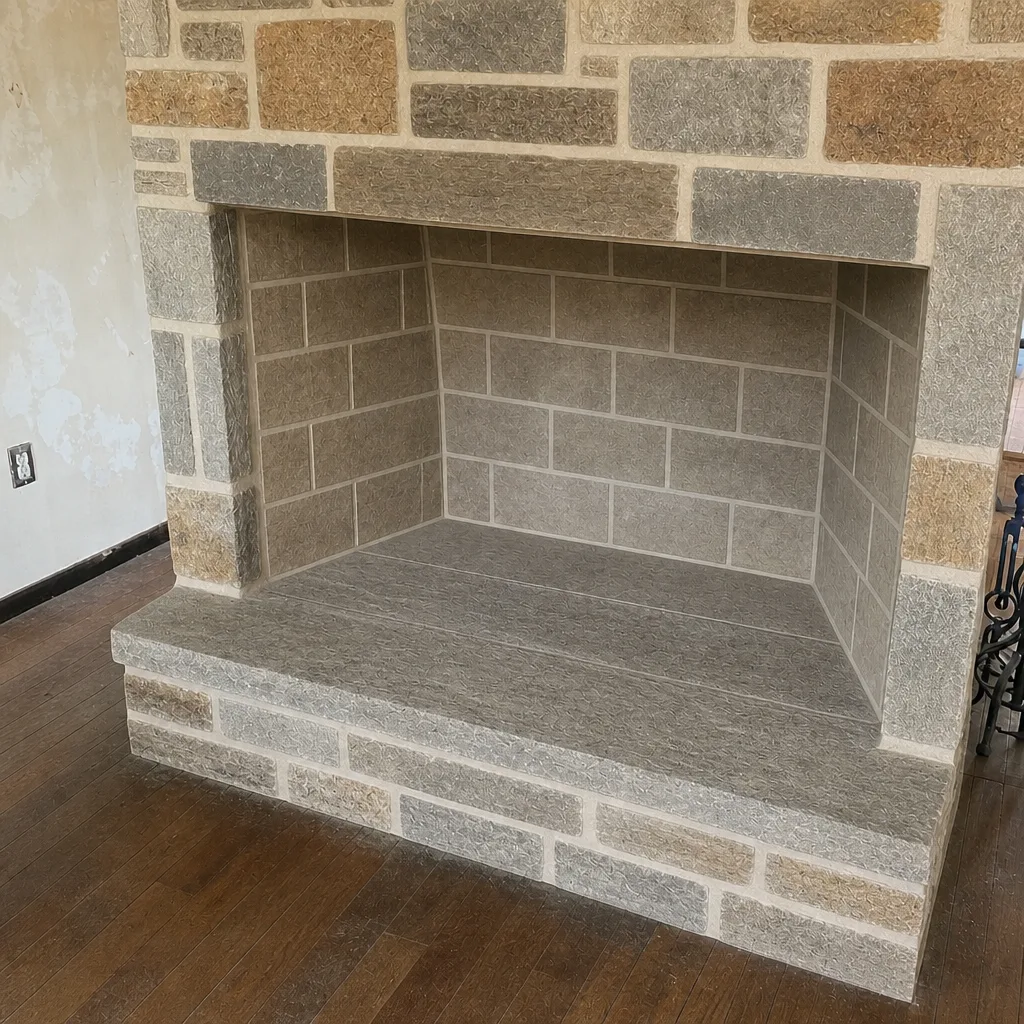
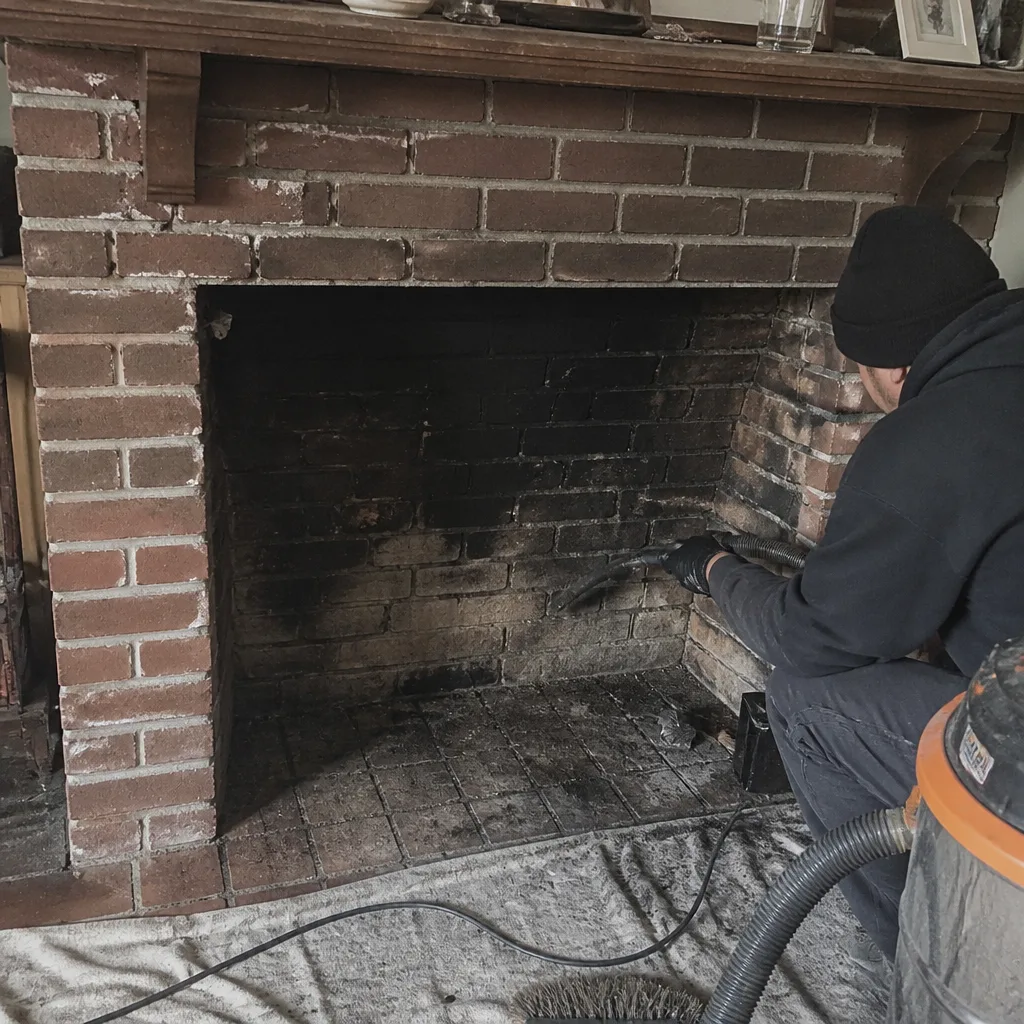
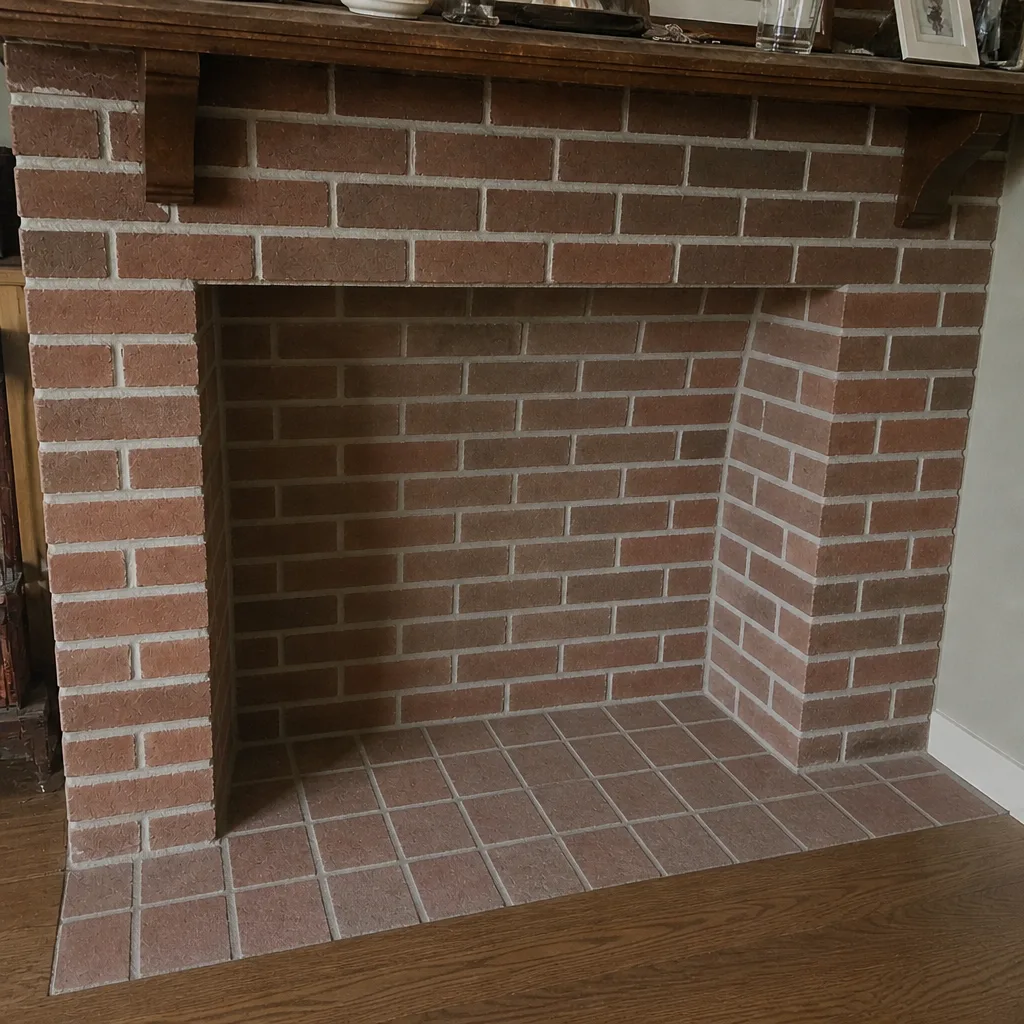
See the difference
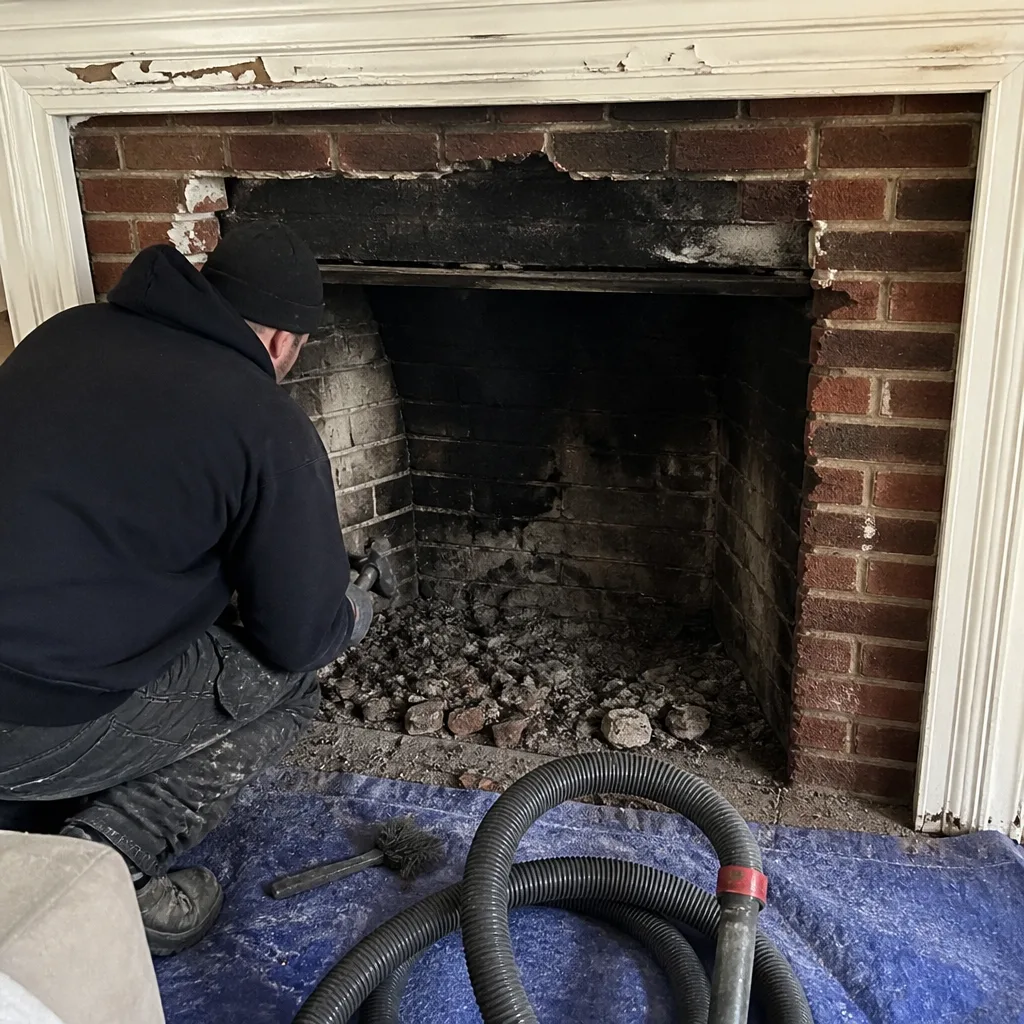 Before
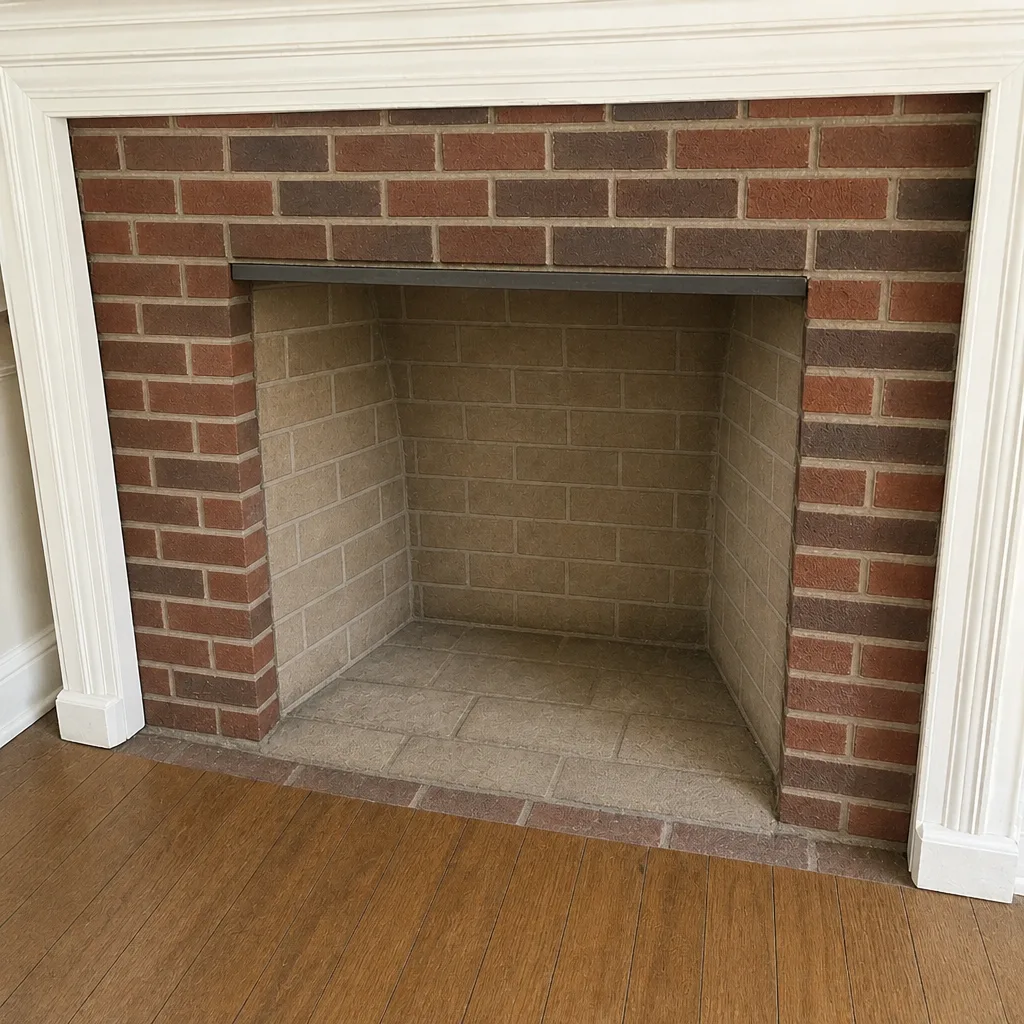 After
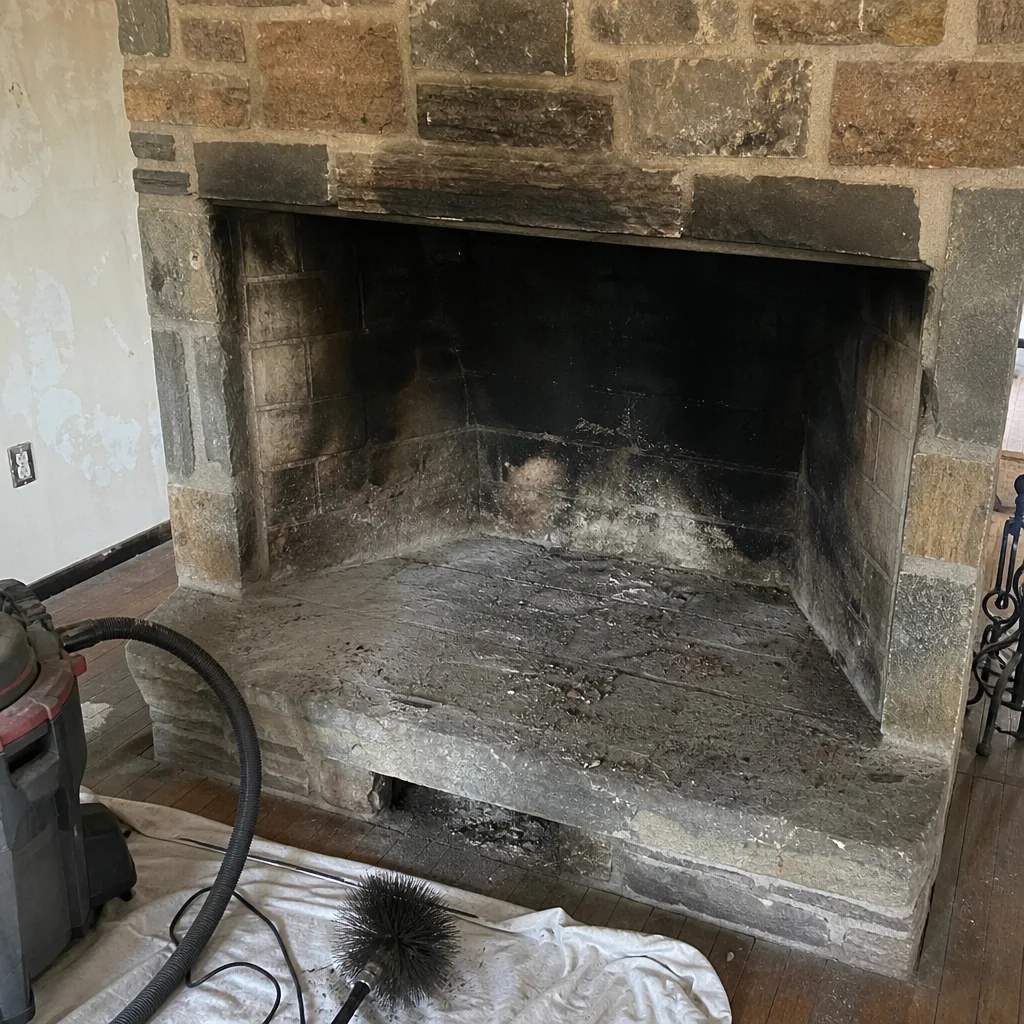 Before
 After
 Before
 After