
Last updated November 22, 2026
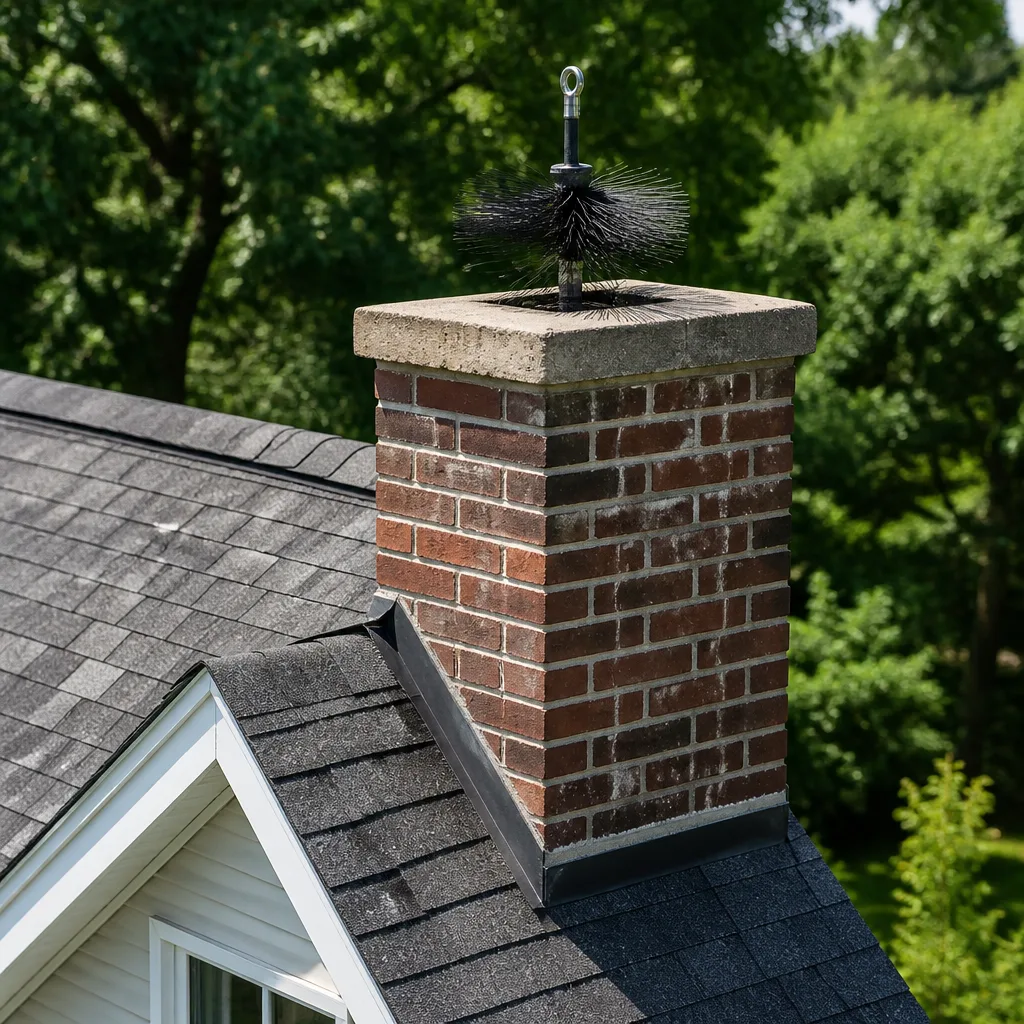 Sweep & inspection
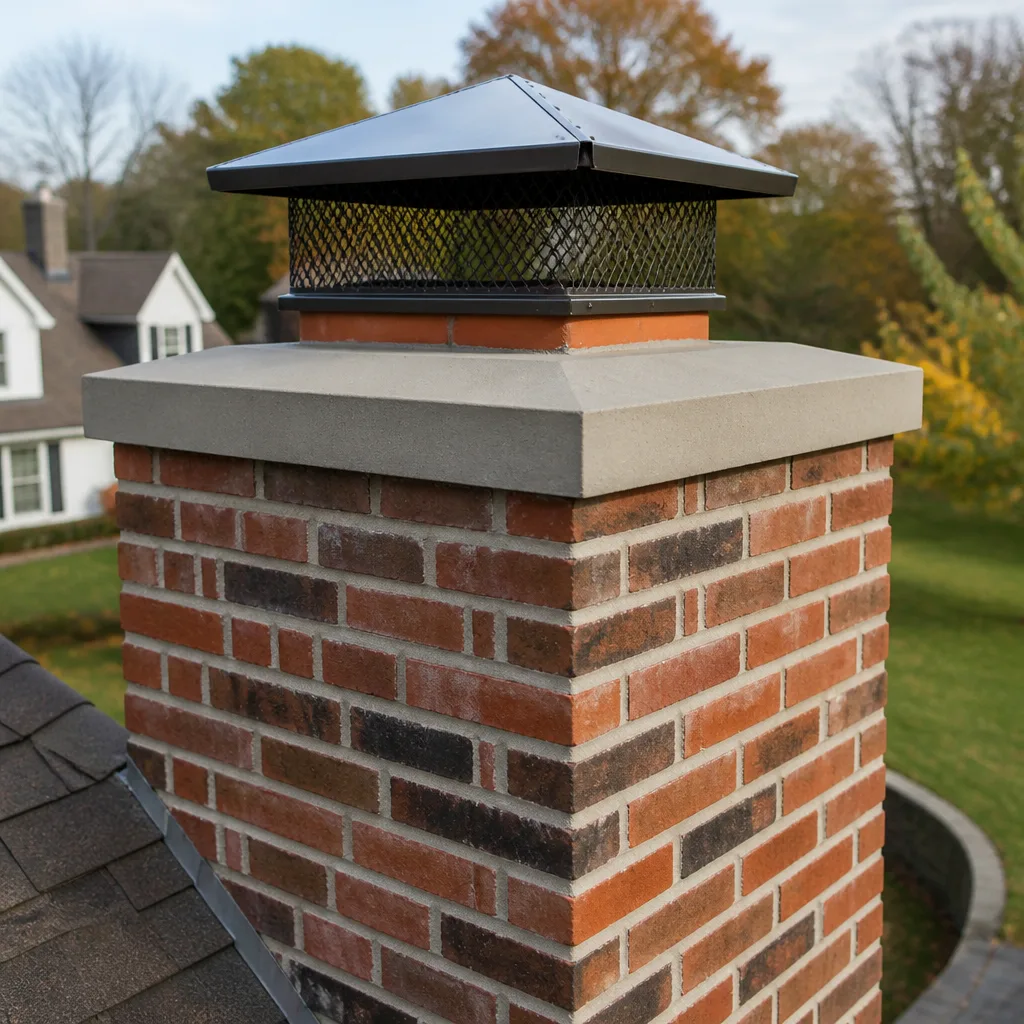 Caps & crowns
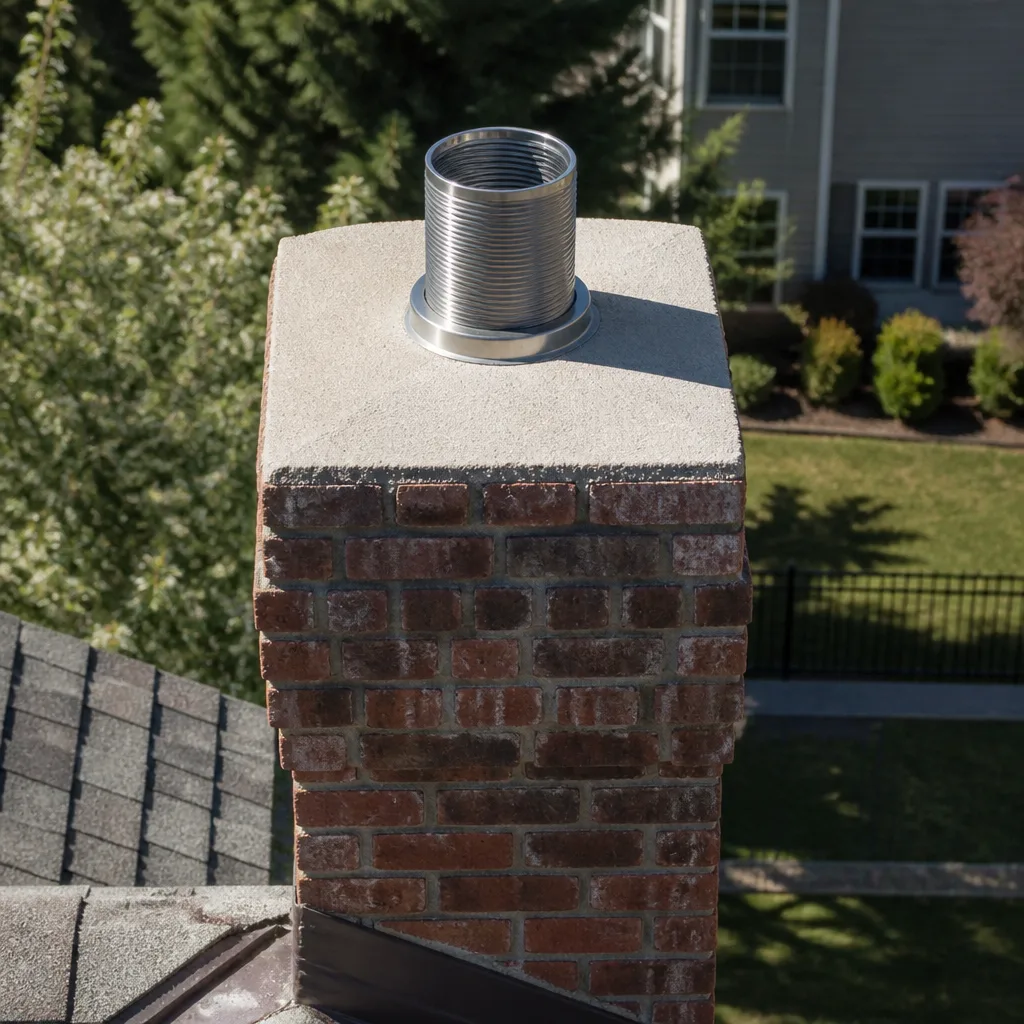 Flue relining
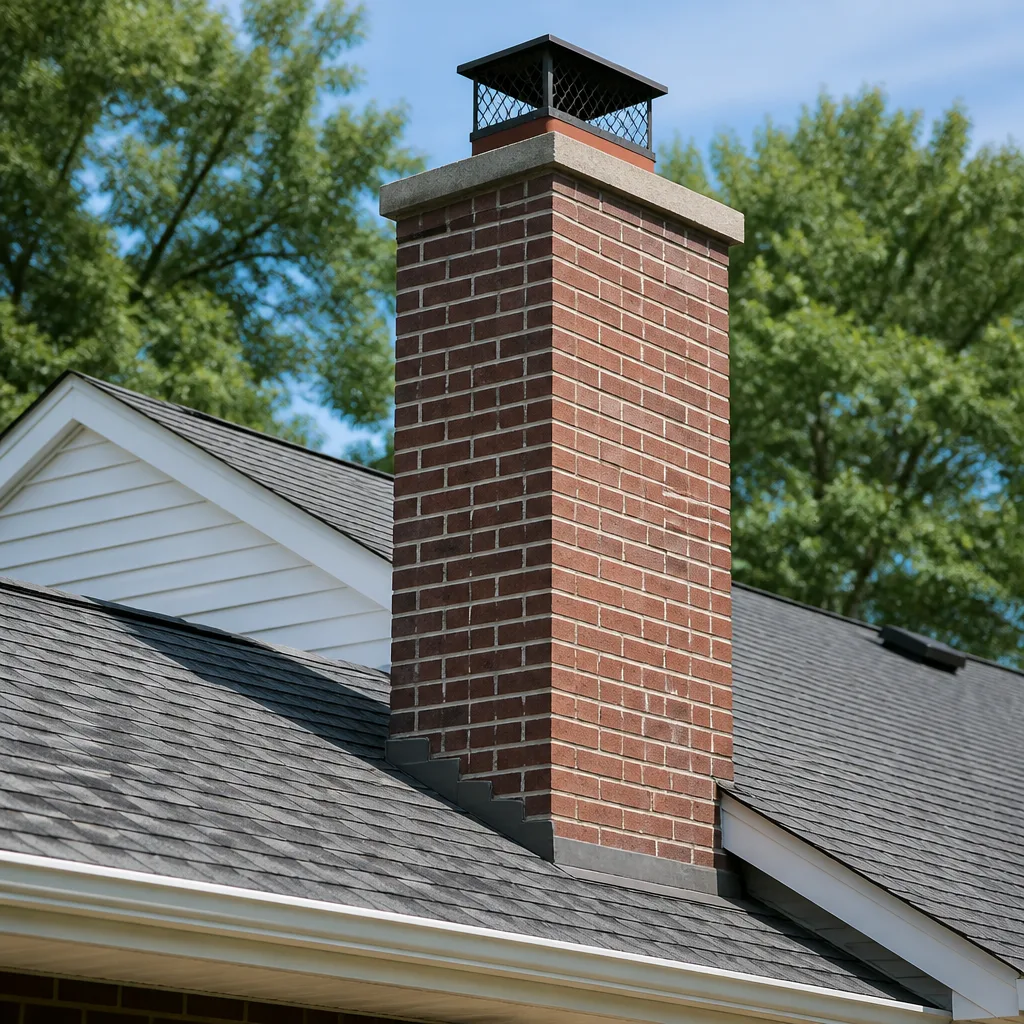 Masonry repair
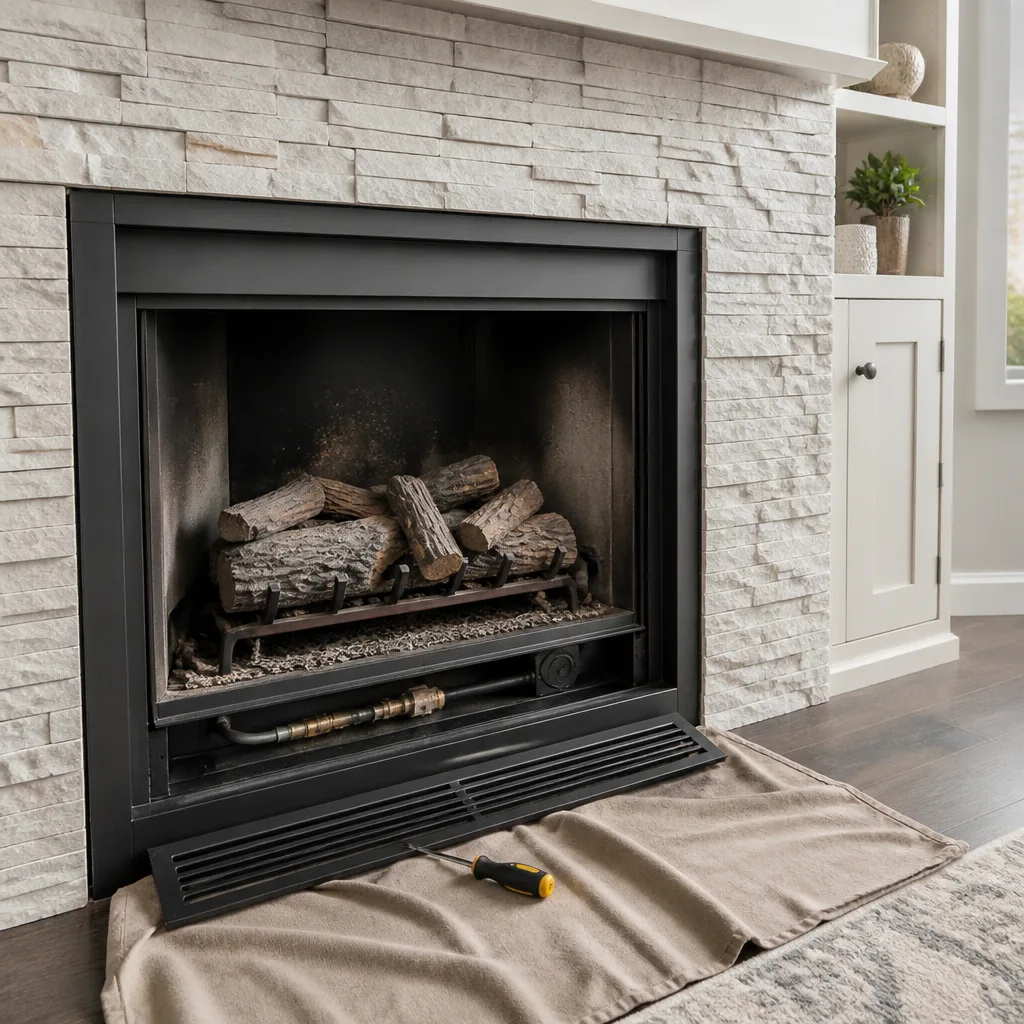 Gas fireplace service
Level 1 sweep and inspection to the NFPA 211 annual standard - flue, crown, cap, and flashing checked and photographed
Chimney sweep logs do not sweep chimneys. They loosen some creosote - which then falls where a brush and vacuum still have to collect it.
Chimney Cleaning Warning Signs: A Gravesend Homeowner’s Reference Guide
A white stain on the outside of your chimney isn’t cosmetic. It’s efflorescence, and it means water is already moving through your masonry. Most homeowners in Gravesend read that chalky patch as dirt, paint fade, or “just an old building,” and they move on. That’s the problem with chimney warning signs in general: they’re subtle, they arrive slowly, and nobody hands you a baseline for what normal looks like. This guide fixes that. We pair each warning sign with the cause behind it and the correct professional response, so when someone tells you your liner needs replacing, you’ll know whether the evidence actually supports it. We cover efflorescence, spalling brick, smoky smells with no fire, draft problems, and ceiling staining.
Quick Answer
The main chimney cleaning warning signs are efflorescence on the exterior masonry, spalling or flaking brick, a smoky smell when there’s no fire, weak or reversing draft, brown or yellow ceiling stains near the chimney breast, and a creosote glaze you can see or smell inside the flue. Any one of these is a reason to book an inspection with a camera, not a reason to panic. Most of them can be diagnosed on site, and several can safely wait until the next available appointment.
Styles & brands we work with
- Sweep & inspection
- Caps & crowns
- Flue relining
- Masonry repair
- Gas fireplace service
Table of Contents
- Efflorescence vs. Simple Staining
- What a Smoky Smell With No Fire Actually Means
- Spalling Brick: Surface Weathering or Freeze-Thaw Damage?
- Draft Problems: Sizing, Blockage, or Negative Pressure?
- Brown or Yellow Ceiling Staining Near the Chimney Breast
- Creosote: The Warning Sign You Can’t Always See
- What Normal Actually Looks Like
- The Right Response to Each Sign
Efflorescence vs. Simple Staining
Efflorescence is a white, powdery, crystalline deposit that appears on brick or mortar when water passes through masonry and evaporates on the surface, leaving dissolved salts behind. Simple staining is dark, oily, or biological, and it sits on top of the brick rather than growing out of it. The difference matters because efflorescence is evidence of active water migration. Staining is usually evidence of something that happened once.
Here’s how to tell them apart in practice:
- Efflorescence looks like a white bloom, often feathery or patchy, and it crumbles when you rub it. It reappears after rain if the water path is still open.
- Biological growth (algae, lichen, moss) is green, black, or grey and tends to sit in damp, shaded areas. It rubs off differently and doesn’t dissolve in water.
- Rust staining is orange-brown and usually traces back to a corroded cap, a metal flashing detail, or a failing flue component.
- Mortar smear or paint residue is uniform and doesn’t return after wet weather.
On Gravesend rowhouses, efflorescence most often shows up in a vertical band running down the chimney stack, which points to water entering at the crown or around the flue top and tracking down through the brickwork. That water doesn’t just damage the masonry. If it reaches the flue, it can degrade the liner structure and soften mortar joints from the inside. A chimney cap & crown in poor condition is a frequent entry point, and it’s one of the cheaper fixes on the whole chimney. Capping and crowning properly closes the loop between weatherproofing and maintenance.
When we inspect a chimney showing efflorescence, the camera goes up the flue to check whether the liner has been compromised, not just the brick face. If the liner is intact and the crown is sound, the fix may be a crown repair and a cap. If water has already damaged the flue, you need to know that before another burning season.
What a Smoky Smell With No Fire Actually Means
A smoky smell when there’s no fire in the grate usually points to one of three things: downdraft pushing cold air and old smoke smell back down the flue, creosote off-gassing in warm weather, or a deteriorated smoke shelf that no longer deflects air correctly. Downdraft and smoke-shelf problems are common and rarely urgent. Creosote off-gassing in summer heat is a sign there’s a heavy deposit in the flue, and that one deserves attention before you light another fire.
The smell itself is your diagnostic reading. What you notice tells you roughly what’s going on:
- Smell appears on warm, still days, strongest in the room with the fireplace. This is creosote off-gassing. Deposits in the flue release volatile compounds as temperatures rise. The heavier the glaze, the stronger the smell. Book a sweep before the heating season.
- Smell follows wind, or appears when other exhaust fans run in the house. That’s a pressure problem. Bathroom fans, kitchen extractors, or a tight modern house envelope can pull air down the flue.
- Smell is strongest in cold weather before the first fire. Cold dense air sits in the flue and pushes down. A pre-warm of the flue usually resolves the smoking on lighting, but the underlying draft should still be checked.
- Smell accompanies visible soot or a rough, crusty interior at the smoke chamber. That points to a deteriorated smoke shelf or smoke chamber, which needs repair, not just sweeping.
The one requiring urgent action is the creosote case, particularly if the deposit is glossy and tar-like. Glazed creosote is the fuel for a chimney fire, and it doesn’t sweep out with a standard brush. In our experience, Gravesend homeowners often mistake the summer smell for damp or “old house smell” and only learn what it was after a storm pushes water down the flue. Either way, a camera inspection answers the question in minutes.
Spalling Brick: Surface Weathering or Freeze-Thaw Damage?
Spalling is brick that has flaked, peeled, or popped off at the face, exposing the softer inner body of the brick. Surface weathering is a shallow loss of the fired skin. Freeze-thaw damage goes deeper: water enters the brick, freezes, expands, and forces the face off from the inside. The distinction matters because surface weathering is cosmetic and freeze-thaw damage is structural, and on Gravesend rowhouses both show up on the same chimney stack.
Gravesend’s winters give us the conditions freeze-thaw needs: repeated cycles where water gets into masonry, the temperature drops below freezing, the water expands, and the cycle repeats. A chimney that faces the prevailing weather will show the deepest damage on that side. Look for these patterns:
- Shallow, uniform flaking on one face is usually weathering or a manufacturing fault in older brick. Cosmetic unless it’s accelerating.
- Deep craters with a visible soft core indicate freeze-thaw damage. The brick is failing from within, and repointing alone won’t fix it.
- Spalling concentrated near the crown or below the cap suggests water is entering from above and saturating the stack before it freezes.
- Spalling paired with white efflorescence lines confirms active water movement, which makes freeze-thaw damage more likely to progress.
- Spalling paired with widening mortar joints or a lean in the stack is a structural concern and needs assessment before another winter.
Most Gravesend chimneys we inspect with freeze-thaw damage have a crown problem underneath it. The crown sheds water away from the flue, and when it cracks, water gets into the brick core. Repairing the crown and capping the flue stops the cycle. Repointing without fixing the water source just delays the next round of spalling. If the damage has reached the flue, chimney repair may be the next step, and we’d want camera footage to prove the liner condition before recommending it.
Draft Problems: Sizing, Blockage, or Negative Pressure?
A draft problem is one of three things: the flue is the wrong size for the appliance, the flue is blocked, or the house is pulling air down the chimney because of negative pressure. Each has a different fix, and mistaking one for another is how homeowners end up paying for a liner they didn’t need, or ignoring a blockage that’s genuinely dangerous.
Converted fireplaces are the classic sizing mismatch. A Victorian-era fireplace opening was built for an open coal fire with a generous flue. When it’s converted to a wood-burning stove or a smaller appliance, the flue is often oversized for the new appliance, and an oversized flue runs cold, which kills draft. Symptoms of a sizing mismatch include:
- Smoke spills into the room only when the fire is first lit, then settles once the flue warms.
- The fire burns well on very cold days and poorly on mild days.
- No smell of soot or blockage, and a camera shows a clear flue.
- The appliance was changed at some point, or the fireplace opening was reduced.
Blockage symptoms look different. Smoke fills the room on every fire regardless of temperature. You may hear birds or scratching, or see debris at the firebox. A camera inspection confirms it immediately. Negative pressure symptoms show up when other fans run, when doors and windows are closed tight, or in recently draught-proofed houses. The fix is ventilation or a correctly sized liner, not a sweep.
This is where a chimney-only specialist earns their fee. A generalist will sweep the flue and declare it clear; the draft problem remains. The correct response is a diagnostic inspection that measures the flue and checks the appliance, then a recommendation matched to what’s actually wrong. If a liner is the answer, we install professional-grade systems from DuraFlex or Copperfield, sized to the appliance rather than guessed at.
Brown or Yellow Ceiling Staining Near the Chimney Breast
Brown or yellow staining on a ceiling or upper wall near the chimney breast is more often a liner failure indicator than a roof leak. A roof leak typically tracks along the roof structure and shows up away from the chimney. A stain that hugs the chimney breast and appears in rings or tide marks usually means water is inside the flue and finding its way out through the masonry into the room below.
Roof leaks and liner failures leave different evidence. Check these details before you accept a roofer’s quote:
- Stain location. Concentrated along the chimney breast or in a ring pattern on the ceiling directly beside it suggests the chimney, not the roof.
- Timing. Staining that worsens during heavy driving rain on the chimney side points to water entry at the crown or cap. Staining that appears days after rain points to a slow path through the masonry.
- Interior smell. Damp soot or a musty, smoky smell in the room alongside the stain suggests water is in the flue, mixing with creosote deposits.
- Exterior evidence. Efflorescence or spalling on the outside of the same stack confirms the chimney is taking on water.
- Camera inspection. A camera up the flue will show a cracked or corroded liner, water staining inside the flue, and any gaps at the flue joints.
If the liner has failed, patching the ceiling stain won’t fix anything. The water path stays open, and the next rain will bring it back. The correct repair is liner restoration or replacement. In cases where the liner is structurally sound but has cracked joints and gaps, HeatShield ceramic resurfacing restores the flue from the inside without a full tear-out. We use it because it’s a repair-grade solution rather than a temporary patch, and because most sweep-only companies don’t carry or apply it.
Creosote: The Warning Sign You Can’t Always See
Creosote is the residue left in the flue by wood smoke, and it builds in three recognizable stages: light soot and powder that brushes out easily, a flaky crust, and glazed, tar-like deposits that are the hardest to remove and the most flammable. You can’t always see it from the firebox. You can often smell it, and a camera shows the true condition.
The stage matters because it dictates the correct response. This is the practical sequence we work through on a chimney sweep visit:
- Stage one deposits sweep out with a standard brush. A thorough sweep and inspection is the whole job.
- Stage two deposits need more aggressive brushing and inspection. If the flue is sound, sweeping is still enough.
- Stage three glazed creosote can’t be removed with a brush alone. It requires chemical treatment or liner resurfacing. Restoring the flue with HeatShield is one route in cases where the liner structure is intact.
- Cameras check the result. We don’t consider a sweep finished until the flue has been inspected after cleaning, not just before.
Gravesend homeowners who burn wood through the cold months should have the flue swept before the burning season starts. How often depends on how much you burn and what you burn. Soft, unseasoned wood leaves far more creosote than dry hardwood, and a cold flue builds it faster than a hot one. We don’t sell annual plans; we book a sweep when your chimney needs one, and the camera tells us when that is. Our technicians have up to 15 years of experience, and the camera evidence is the final word either way.
What Normal Actually Looks Like
Most chimney anxiety comes from not knowing the baseline. Here’s what a healthy chimney looks like so you can spot what’s not:
- Clean brick face. No white bloom, no dark streaks, no crumbling at the mortar joints.
- Intact crown. No visible cracks at the top where the flue meets the masonry, and a slight slope away from the flue.
- A cap in place. The flue is covered with a cap and spark screen, so rain and wildlife can’t get in.
- Dry smoke chamber. No stain lines, no visible rust on the damper or flue components.
- No smell when the fireplace is cold. A faint smell of old smoke right after a fire is normal; a smoky smell in July is not.
- A clear fire. Smoke goes up the flue and out rather than spilling into the room, on every fire, warm or cold.
The value of knowing the baseline isn’t that you’ll never need a repair. It’s that you’ll recognize the moment when something changes, and you can book an inspection to confirm the cause. On Gravesend’s older housing stock, the masonry is often doing fine; it’s the crown, cap, and flue joints that fail first. Knowing that narrows the conversation and keeps you out of the unnecessary liner-replacement trap.
The Right Response to Each Sign
Not every warning sign requires a repair. The correct response depends on what the sign actually tells you, and the most useful discipline is matching the response to the evidence:
- Efflorescence with an intact crown and cap. Book an inspection. If the liner is sound, the fix is likely crown repair and recapping. Not urgent, but don’t let it run through another winter.
- Smoky smell in warm months, no other symptoms. Book a sweep before burning season. Likely a creosote deposit that needs removing.
- Spalling at the crown line with no structural movement. Crown repair and capping first. Camera the flue to confirm the liner hasn’t been affected.
- Spalling plus a leaning stack or widening joints. Structural assessment before anything else, and before another freeze cycle.
- Draft problem with smoke spilling into the room. Diagnostic inspection with a flue measurement. The answer could be a liner, a blockage removal, or ventilation.
- Ceiling stain near the chimney breast. Camera inspection of the flue before you accept any roofing quote. If the liner has failed, restoring it with HeatShield or replacing with a DuraFlex system is the repair.
- Glazed creosote visible or strongly smelled. Book a sweep and inspection promptly. Don’t light another fire until it’s been assessed.
The through-line is that every recommendation should come with camera evidence you can see yourself. If someone tells you your liner is a write-off and can’t show you why on a screen, that’s not an inspection. It’s a sales pitch. A specialist who also does the repair will tell you when work can safely wait, and that’s just as important as telling you when it can’t.
Common Mistakes to Avoid
- Treating efflorescence as dirt. Scrubbing it off doesn’t fix the water path. It comes back after the next rain because the crown or cap is still letting water in.
- Patching the ceiling stain before inspecting the flue. A repaint hides the evidence, and the water damage continues behind it.
- Accepting a liner quote without camera footage. Any liner replacement is a substantial repair. Ask to see the flue on screen before agreeing to one.
- Assuming a draft problem is a blockage. Sizing mismatches are common in converted Gravesend fireplaces and mimic blockage symptoms. The wrong fix wastes the money.
- Skipping the crown and cap because the fire “works fine.” The fire working fine today says nothing about the masonry condition. Most freeze-thaw damage starts at the top.
- Burning unseasoned wood in a cold flue. This builds glazed creosote faster than dry hardwood, and glazed deposits need chemical treatment or resurfacing, not brushing.
- Letting a generalist diagnose the flue. A specialist sweeps and inspects on the same visit, with the repair knowledge to match the recommendation to the actual condition.
See the difference
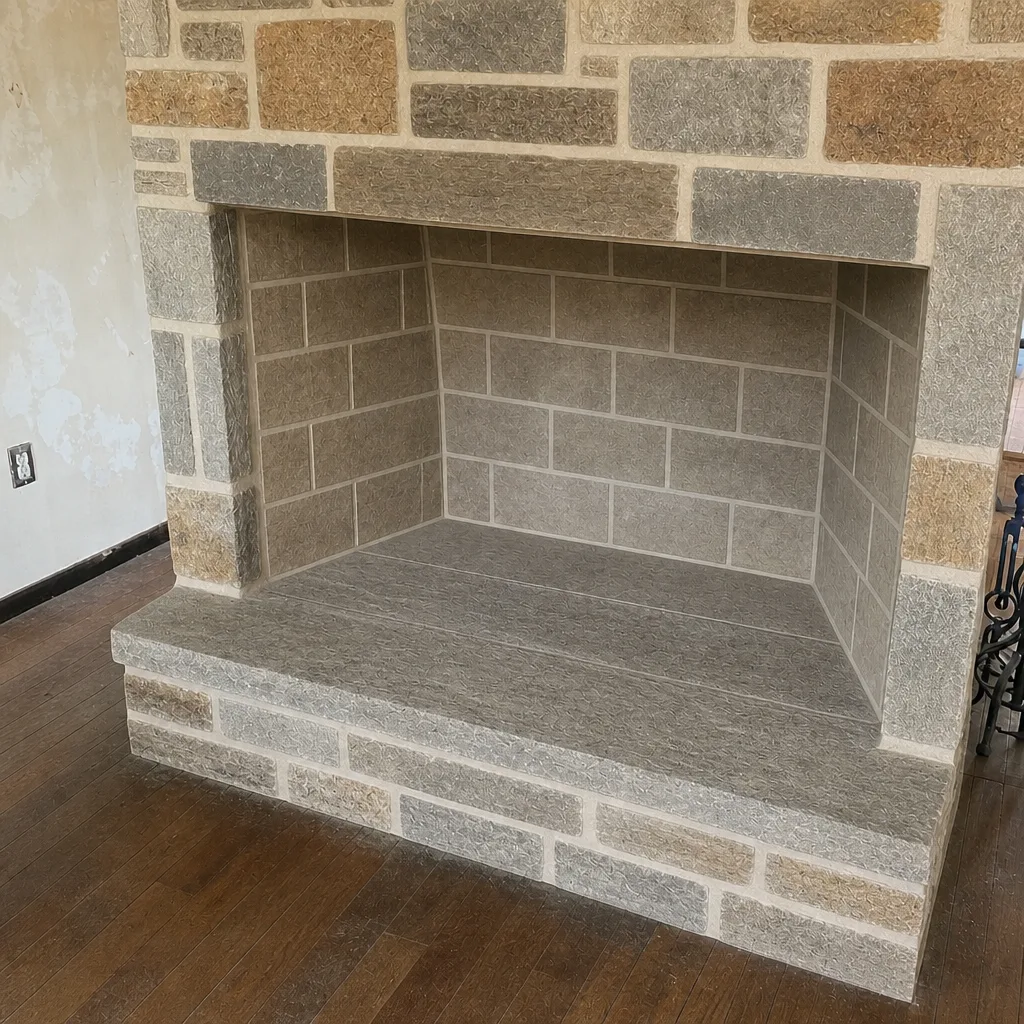
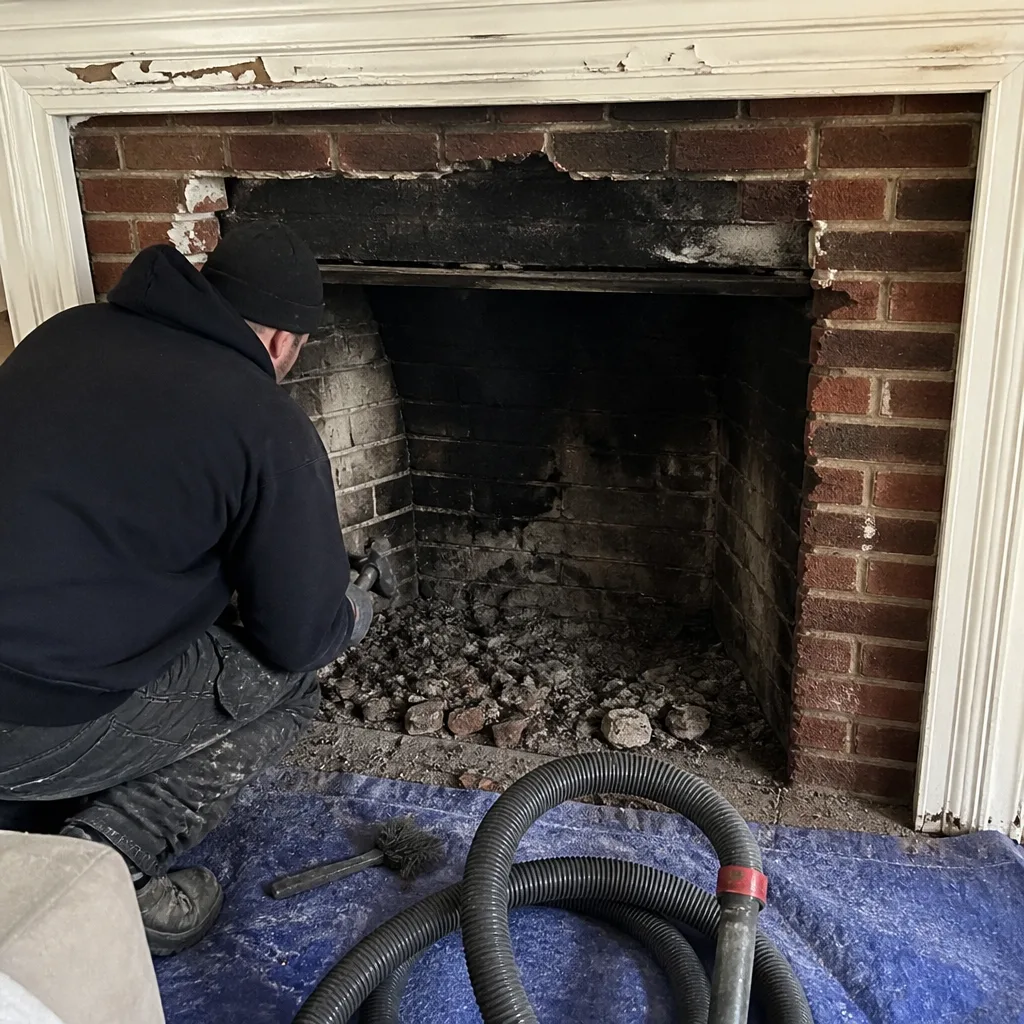 Before
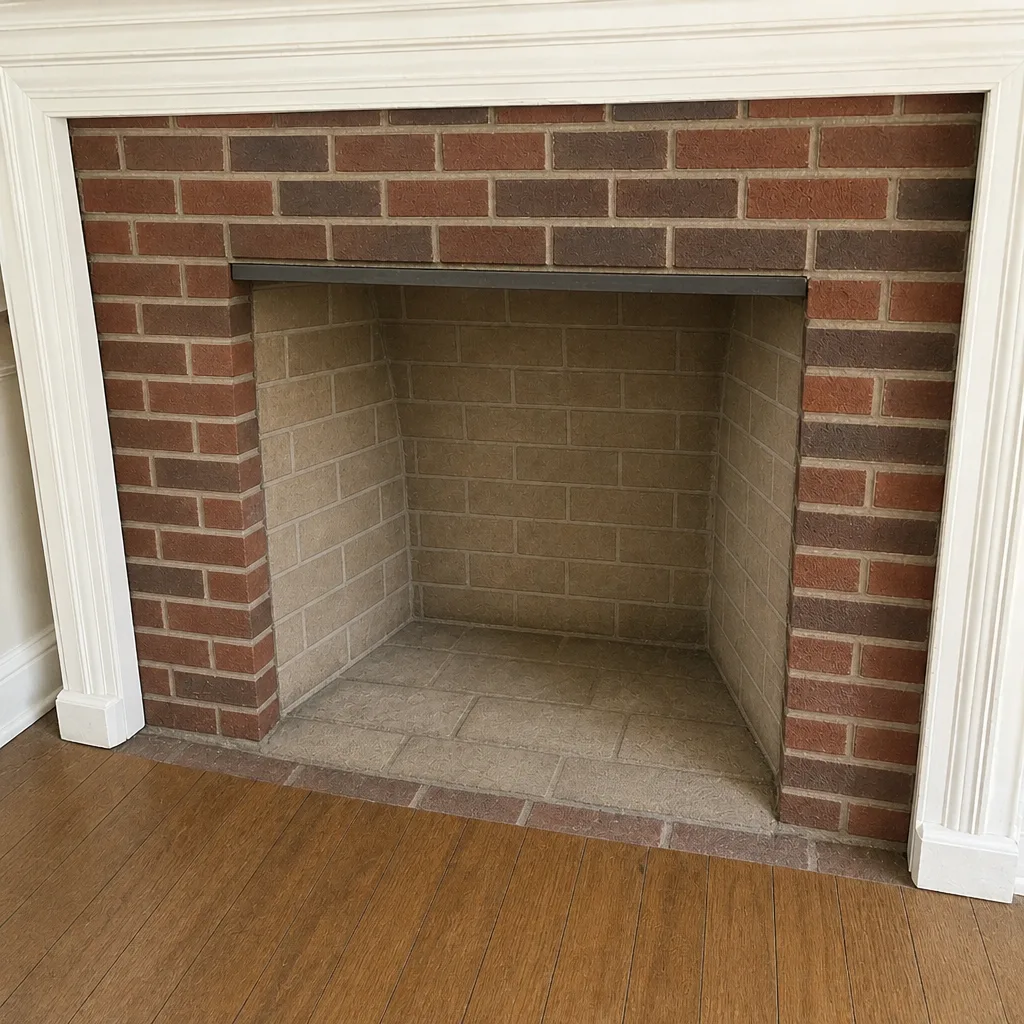 After
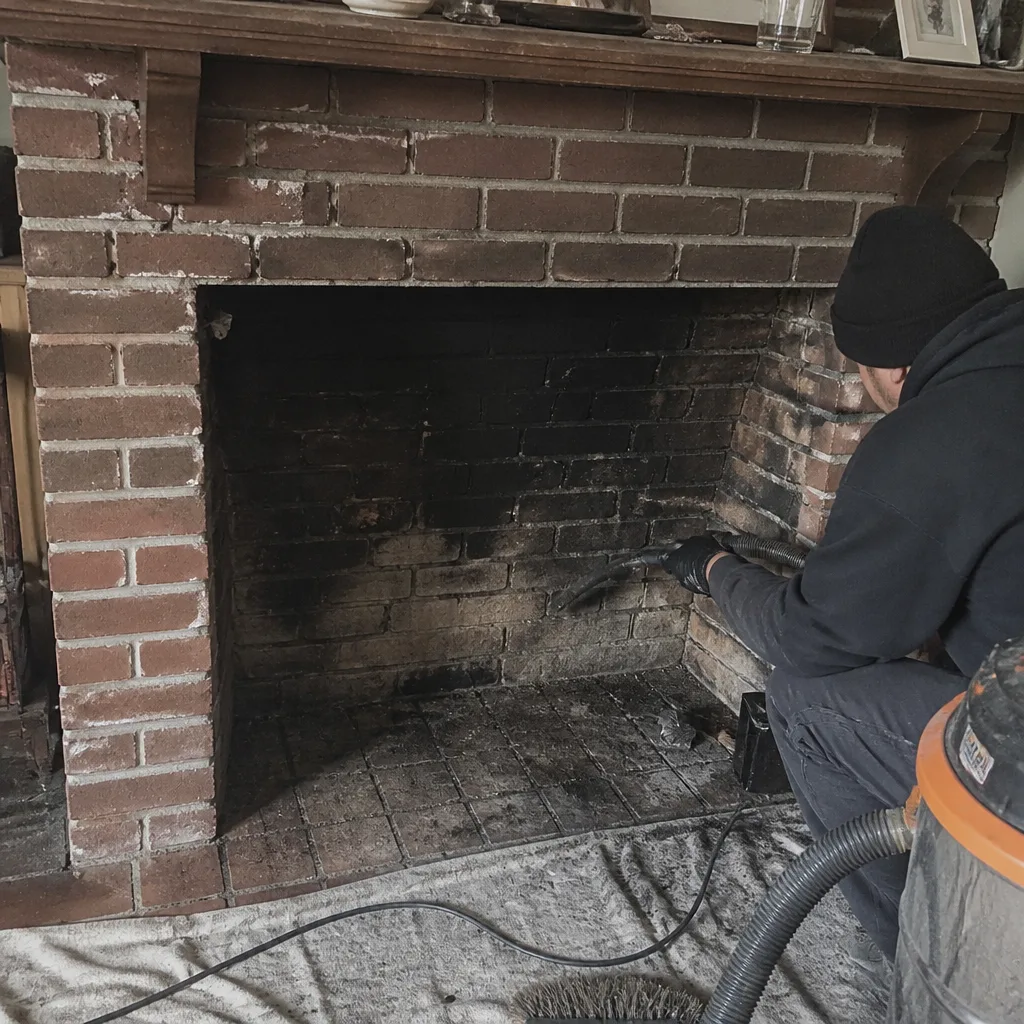
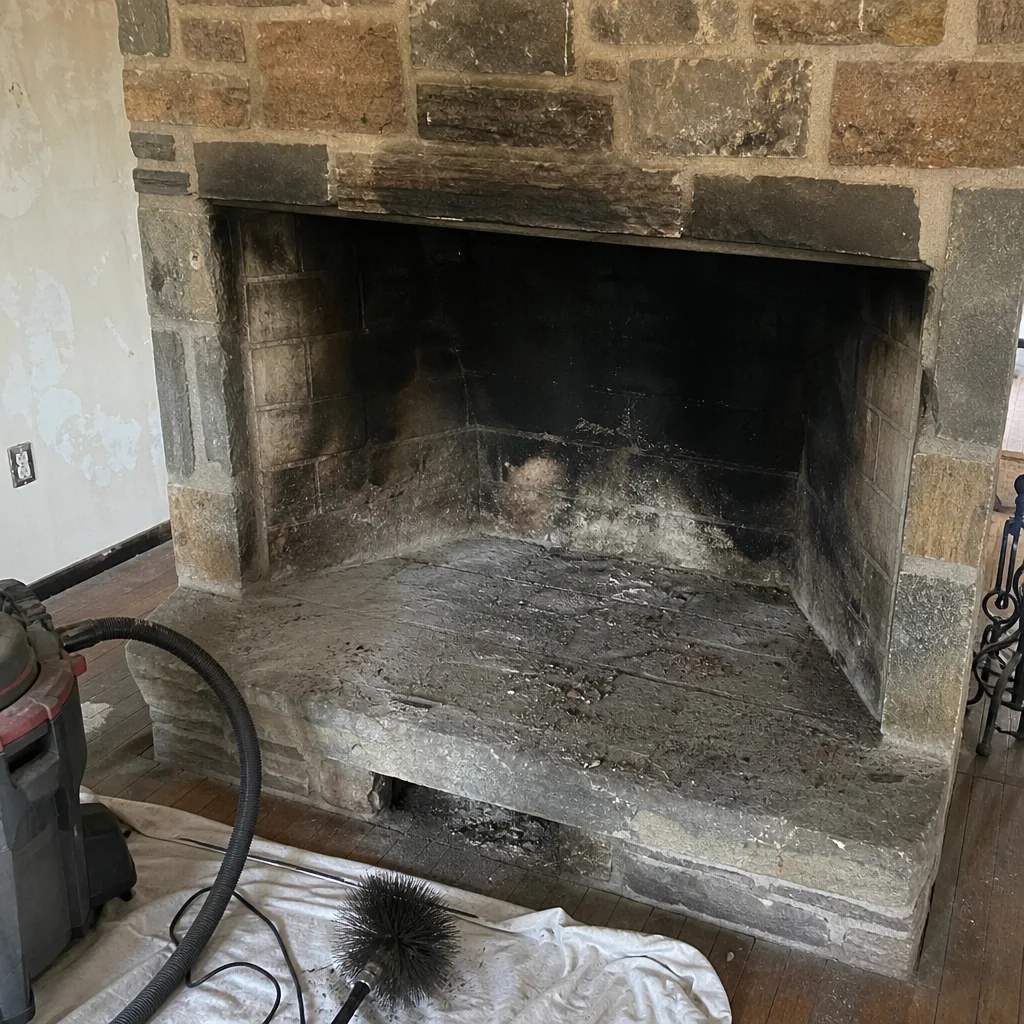 Before
 After
 Before
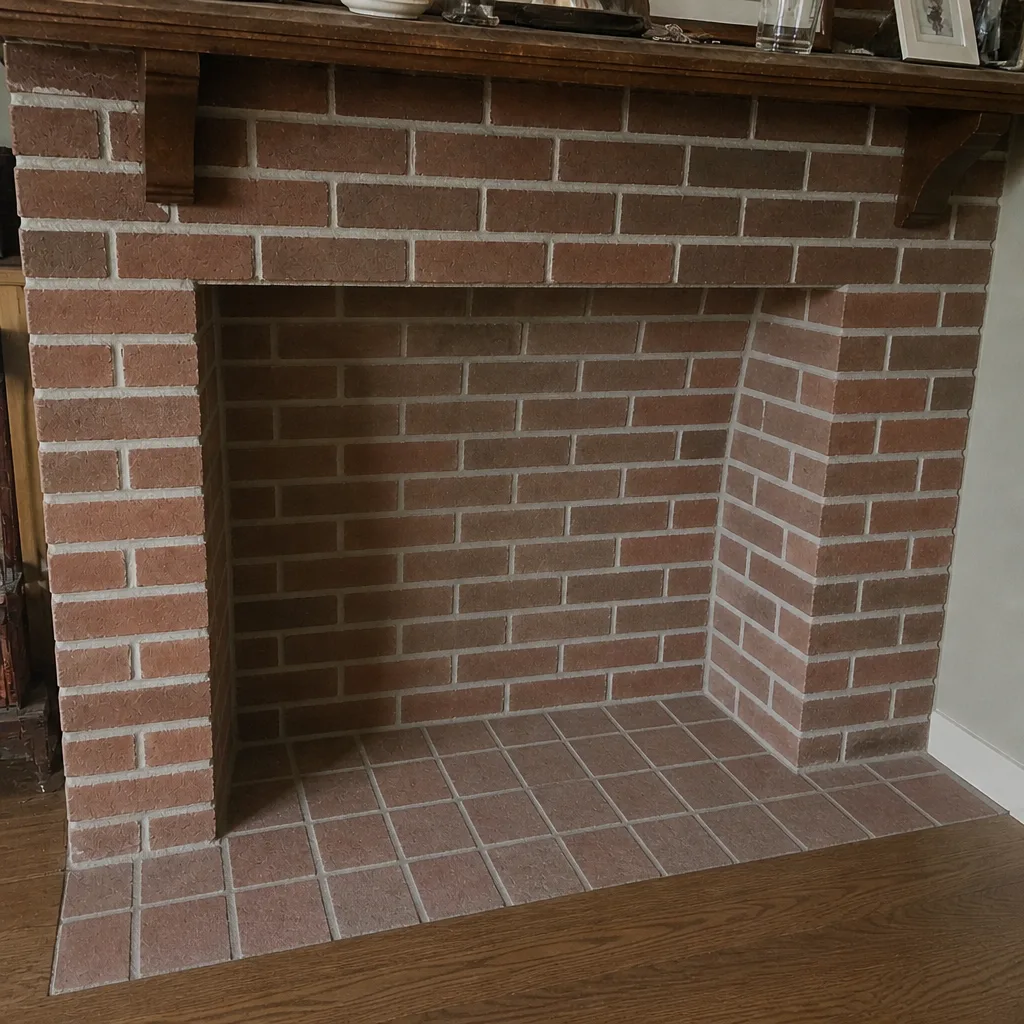 After
When to Call a Professional
Call a specialist when you see any of the following: efflorescence that returns after rain, spalling with a visible soft core or a leaning stack, smoke spilling into the room on every fire, a smoky smell in warm weather, a ceiling or wall stain near the chimney breast, or a glazed, tar-like deposit visible in the smoke chamber. If you can’t remember the last sweep and you’re about to start burning wood again, that’s also a reason to book. Chimney Sweep Gravesend offers free estimates in Gravesend – call (855) 342-5978. We answer 24/7. Fast dispatch from 7am to 7pm, Sunday through Friday. We start with a Chimney Sweep Gravesend inspection, show you the camera evidence, and tell you plainly what needs doing now and what can safely wait.
Frequently Asked Questions
For a household burning wood regularly through the colder months, a sweep before each burning season is a reasonable rule of thumb, with the inspection confirming the actual condition. Light users may go longer, and heavy users should be checked more often. The camera settles it: if there’s significant deposit, it gets swept, and if the flue is clean, you’ll know that too. Call (855) 342-5978 to book.
No, not necessarily. White efflorescence confirms water is moving through the masonry, but whether the liner has been affected is a camera question. Often the fix is a crown repair and a cap, with the liner left alone. Occasionally the water has reached the flue and there’s damage inside. Call (855) 342-5978 for an inspection with footage before you accept a liner quote.
Because creosote deposits in the flue release volatile compounds as the weather warms. The stronger the smell, the heavier the deposit is likely to be, and the more important it is to sweep before you light the next fire. Glazed creosote smells strongest and is the most flammable. Call (855) 342-5978 for a free estimate.
Most likely a sizing mismatch or a negative pressure problem, and both look like a blockage to a non-specialist. Converted Gravesend fireplaces often have a flue too large for the current appliance, which runs cold and fails to draw. A diagnostic inspection measures the flue and checks the appliance. Call (855) 342-5978 for a free estimate.
Not usually. Staining that rings the chimney breast or spreads along the upper wall beside it is more often water inside the failed flue finding its way out through the masonry. Check for exterior efflorescence or spalling on the same stack, and get a camera inspection before you accept a roofing quote. Call (855) 342-5978 for a free estimate.
Ask to see the camera footage. Every recommendation should be backed by what a camera shows inside the flue, and a specialist will tell you when a repair can safely wait. If the diagnosis comes without visible evidence, get a second opinion. Call (855) 342-5978 and we’ll show you what we find.
The Bottom Line
Chimney warning signs aren’t there to scare you into a repair. They’re diagnostic clues, and most of them have a specific, proportionate response. Efflorescence points to a crown or cap problem before the liner, spalling needs to be read for depth before it’s treated as structural, a summer smoky smell means creosote, draft problems divide into sizing, blockage, and pressure, and a ceiling stain rings the chimney before it rings the roof. Above all, the answer should come with camera evidence you can see. That’s what a specialist working across the full chimney scope provides, and it’s what keeps you out of the unnecessary-repair trap.
If you’d like a proper assessment of any sign on this page, call (855) 342-5978 for a free estimate. We answer 24/7. Fast dispatch from 7am to 7pm, Sunday through Friday, and a camera report you can look at yourself before deciding anything.
Written by the team at Chimney Sweep Gravesend.