
Last updated November 22, 2026
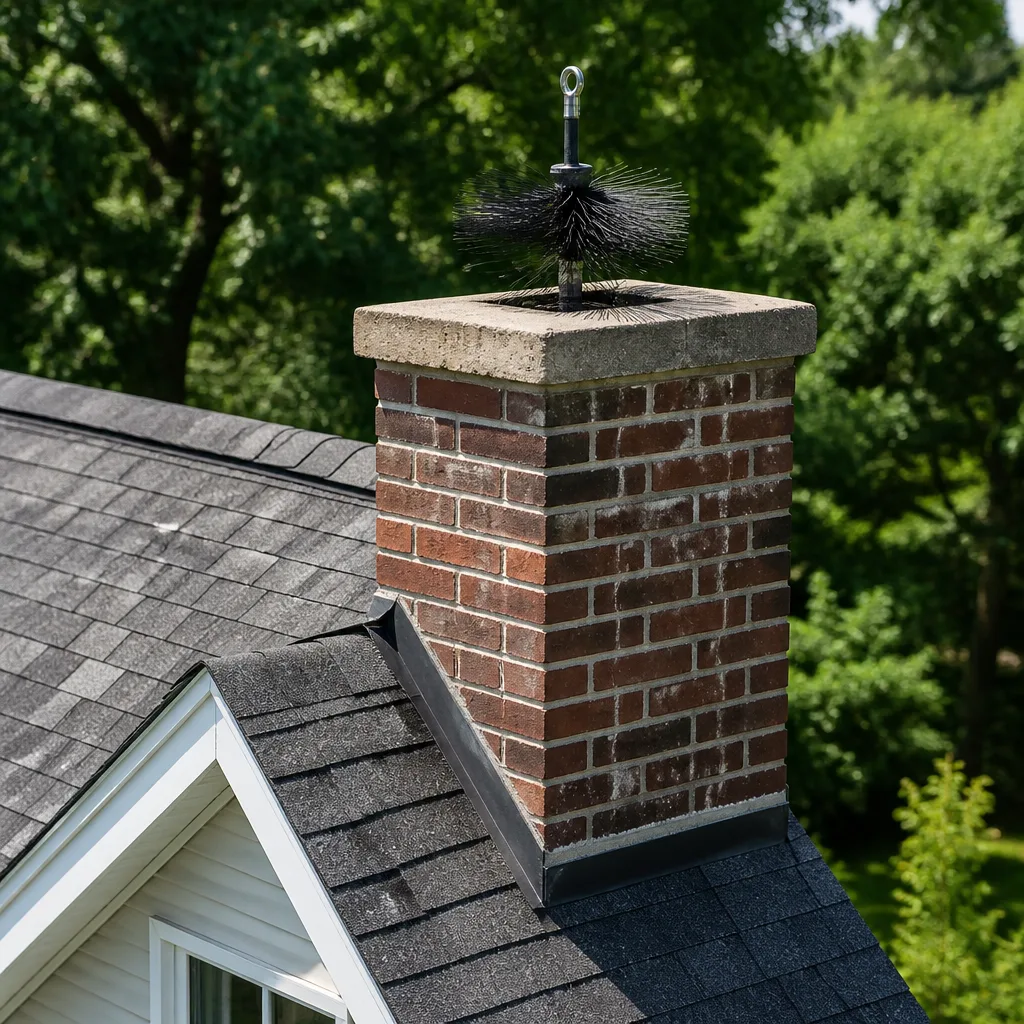 Sweep & inspection
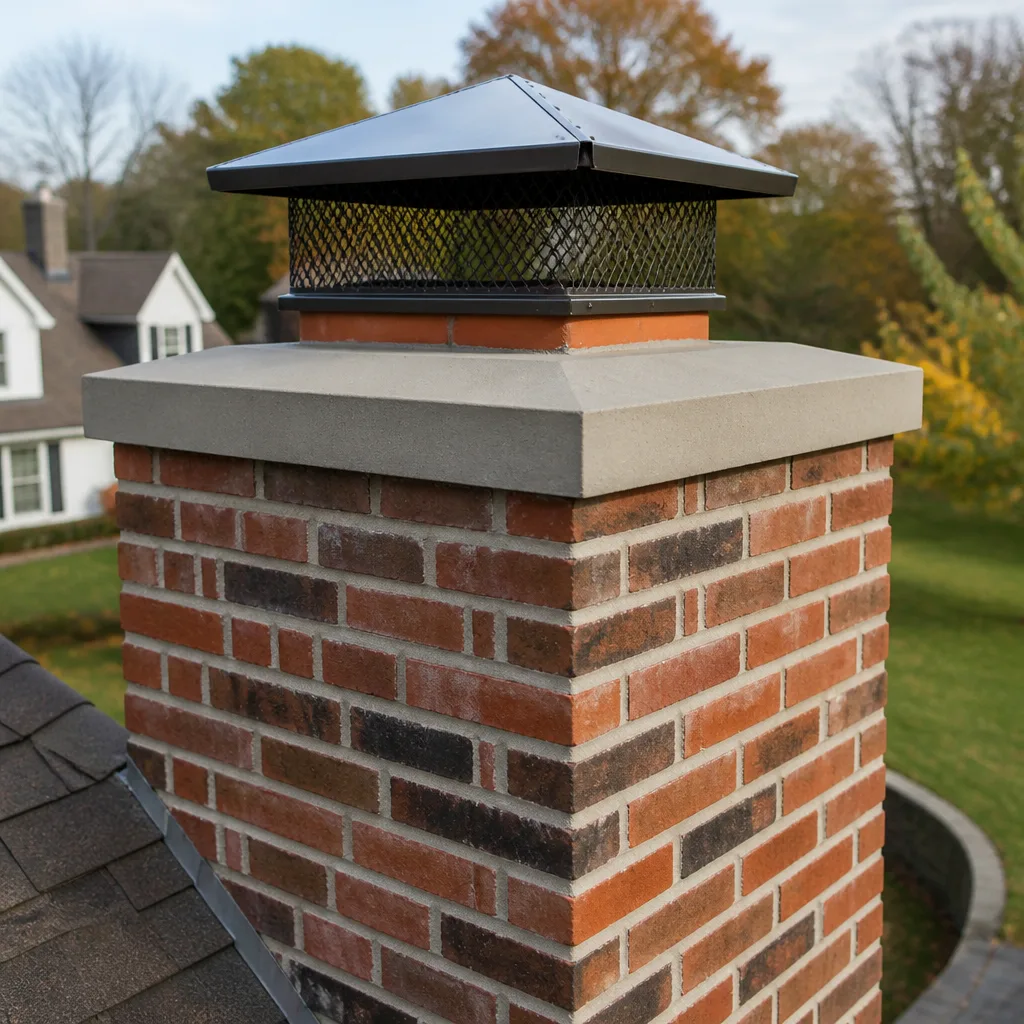 Caps & crowns
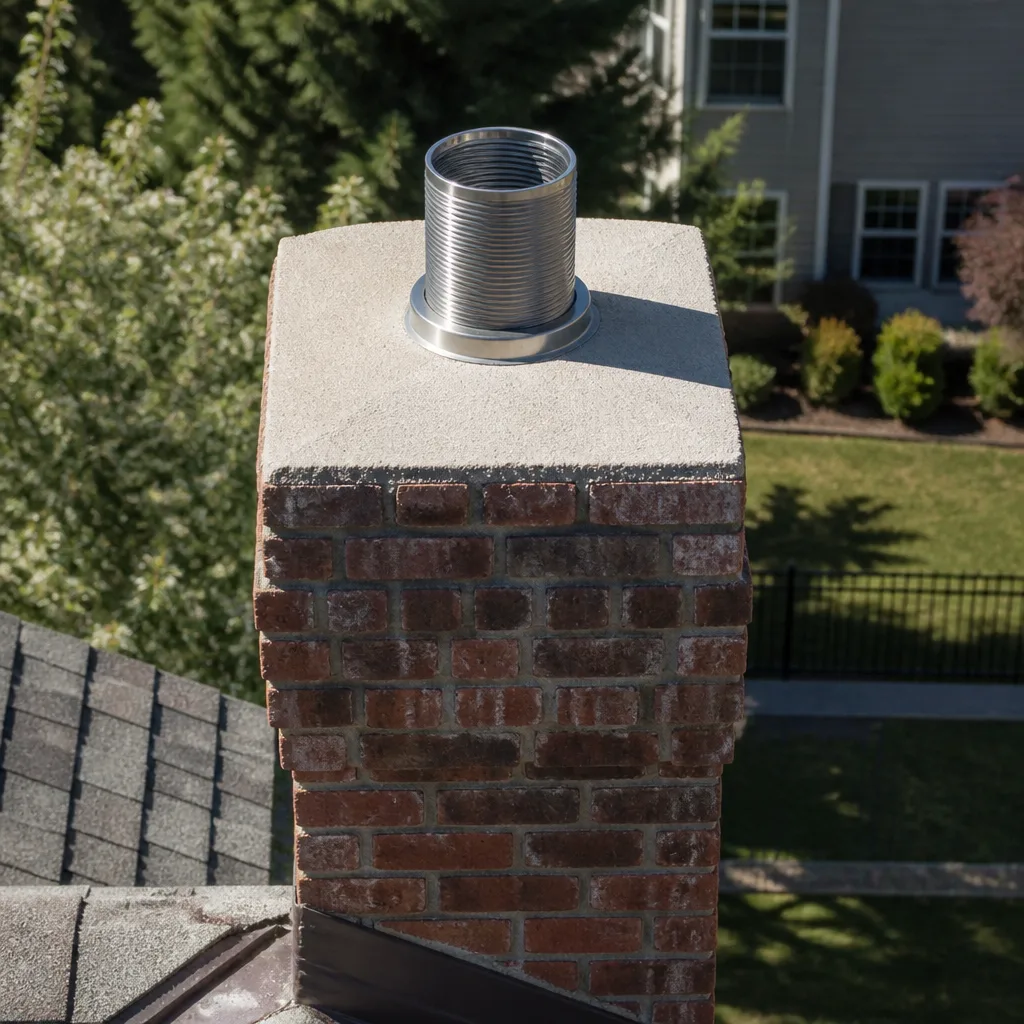 Flue relining
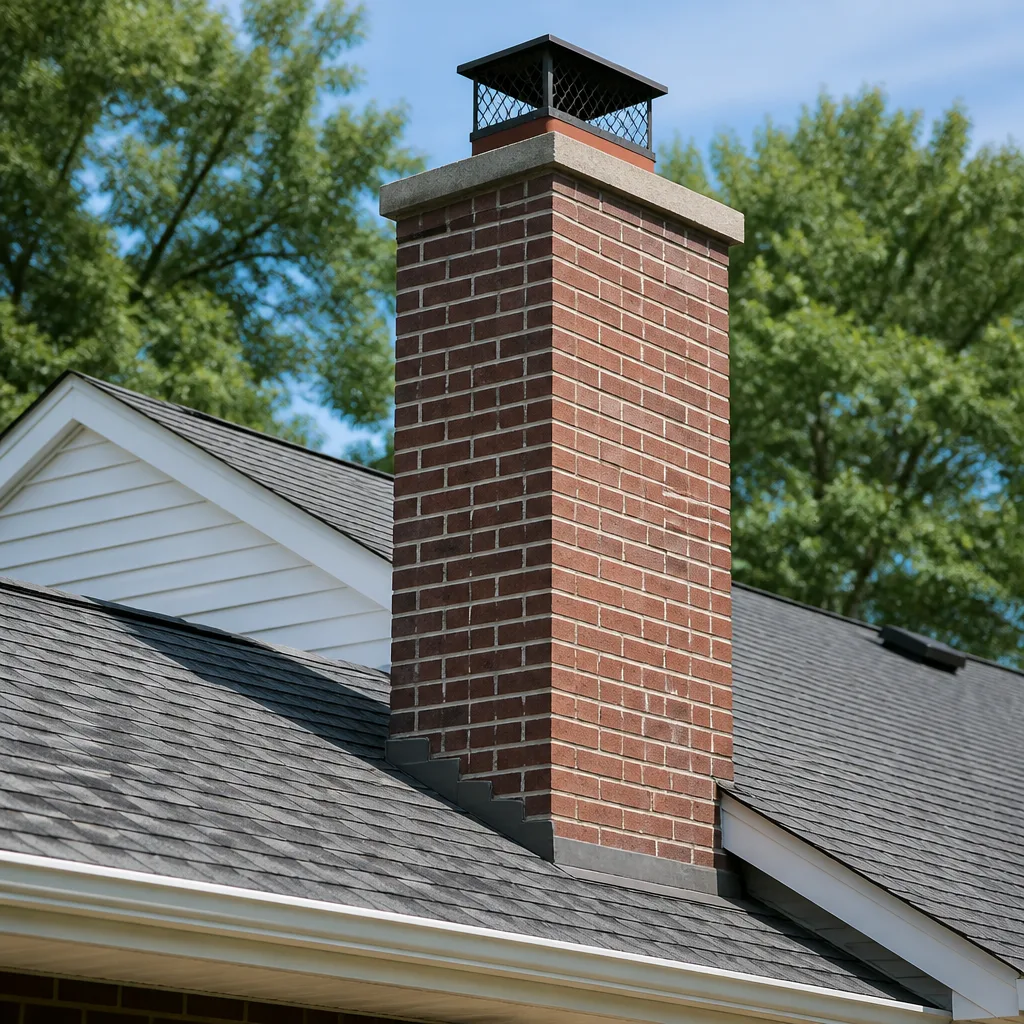 Masonry repair
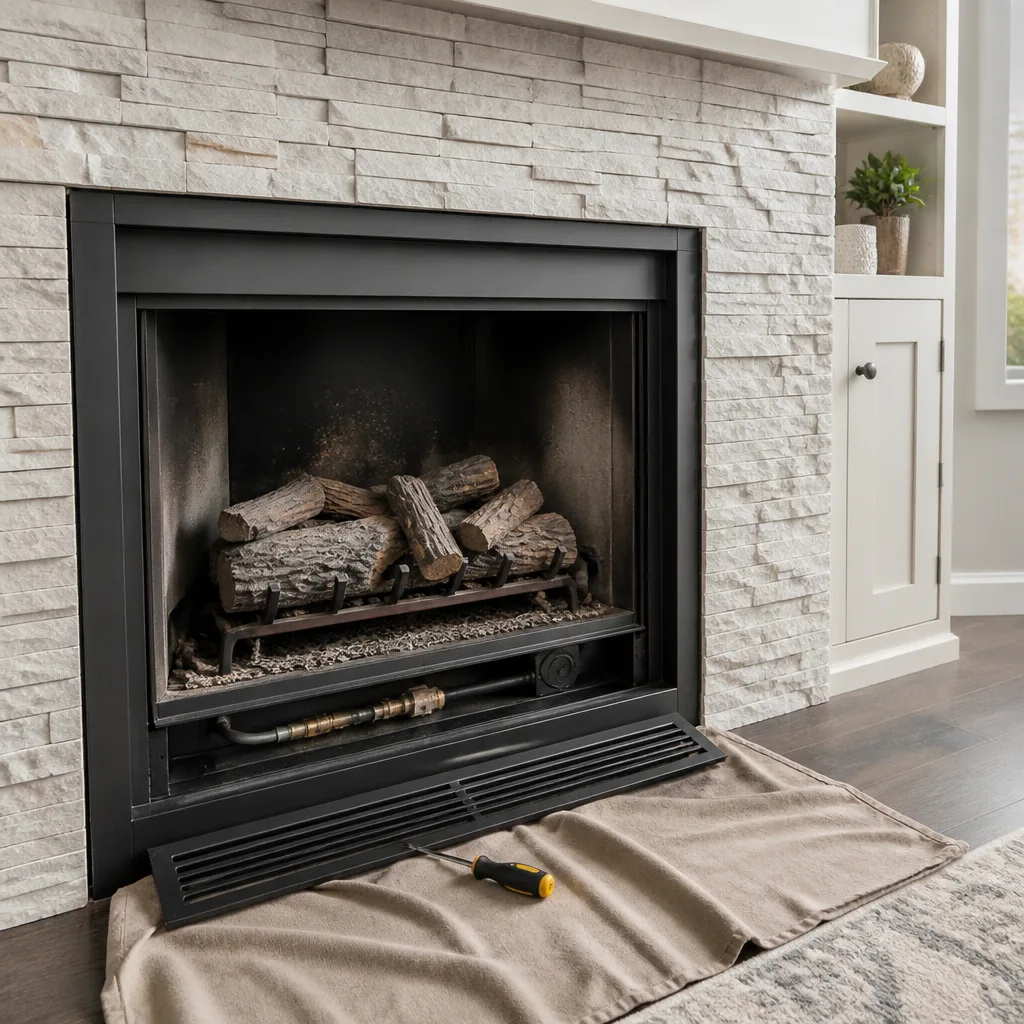 Gas fireplace service
Level 1 sweep and inspection to the NFPA 211 annual standard - flue, crown, cap, and flashing checked and photographed
Chimney sweep logs do not sweep chimneys. They loosen some creosote - which then falls where a brush and vacuum still have to collect it.
Chimney Cleaning Permits, Codes & Inspections in Gravesend, NY: What You Need to Know
Most chimney work in Gravesend doesn’t need a permit. A routine sweep and inspection is ordinary maintenance, no different from changing a furnace filter. But there’s a line, and it sits exactly where maintenance turns into construction. Replace a liner, rebuild a firebox, or install a new solid-fuel appliance, and you’ve crossed into work that typically requires filing with the NYC Department of Buildings (DOB). Homeowners who don’t know where that line is get surprised at the worst possible moment: during an insurance claim or a home sale. This guide draws the line clearly, with the code sections, inspection standards, and disclosure obligations Gravesend homeowners actually need.
Quick Answer
Routine chimney cleaning in Gravesend does not require a permit. Liner replacement, firebox rebuilds, and installation of solid-fuel appliances typically do, under NYC Building Code Section 28-105. Most inspections that matter locally are Level 1 or Level 2 evaluations tied to a sweep, a sale, or a change of appliance, and any liner or masonry work that pulls a permit sits under that same filing. If you’re unsure which side of the line your job falls on, ask before you book.
Styles & brands we work with
- Sweep & inspection
- Caps & crowns
- Flue relining
- Masonry repair
- Gas fireplace service
Table of Contents
- Maintenance vs. Permitted Work: Where NYC Draws the Line
- What NYC Building Code Section 28-105 Actually Covers
- NYC Fire Code 603 and Solid-Fuel Appliances
- Gas Fireplace Inserts: When a Licensed Master Plumber Gets Involved
- What an Inspection Looks For in Older Brooklyn Homes
- How to Request a DOB Work Permit for Liner Replacement
- What Gravesend Homeowners Must Disclose at Resale
- Common Mistakes to Avoid
Maintenance vs. Permitted Work: Where NYC Draws the Line
The simplest rule we can give a Gravesend homeowner: if a technician is removing soot, checking condition, and putting the system back exactly as it was, you’re in maintenance territory. If a technician is removing or replacing a structural component of the venting system, you’re likely in permitted work. That distinction matters because it determines who can legally perform the job, what paperwork exists afterward, and whether your insurer has any question to ask.
In practice, the split looks like this:
- Ordinary maintenance (usually no permit): a chimney sweep, a Level 1 or Level 2 inspection, minor flashing repairs, replacing a missing cap, applying a crown coating, and small mortar repointing that doesn’t change the structure.
- Work that typically pulls a permit: liner replacement, firebox rebuild, chimney chase reconstruction above the roofline, replacement of a factory-built fireplace, and new installation of a solid-fuel appliance such as a wood stove or pellet stove.
Brooklyn’s older housing stock complicates this further. Many Gravesend homes were built with masonry chimneys that have been modified over decades, often by previous owners who didn’t file anything. When we inspect a chimney that’s been quietly altered, we can’t always tell you what code cycle it was built to. That’s not a problem we create for you; it’s one we find. Any sensible inspection has to assume some of the record is missing and verify condition from the inside with a camera.
The practical advice: if your job is on the permitted side of the list above, get the filing right before the work starts. If it’s on the maintenance side, a camera inspection and photo report gives you a defensible record of the chimney’s condition as of the date of service, which is worth more than a paper receipt.
What NYC Building Code Section 28-105 Actually Covers
NYC Building Code Section 28-105 is the section that establishes when a construction permit is required for work on a building. Read it as a general rule, not a checklist for chimneys. The rule is that alterations, additions, and certain repairs require a filed permit before work begins, and that the scope of the work determines whether you’re inside or outside that requirement. For chimney work, it’s the linchpin: liner replacement, structural rebuild, and appliance installation are alterations. A sweep is not.
Because the code is written for buildings generally, the question always comes back to scope. A Gravesend homeowner can reason through it with a few questions:
- Is a structural component of the chimney being removed or replaced? If yes, expect a permit.
- Is a new appliance being installed or a factory-built fireplace being swapped out? If yes, expect a permit.
- Is the work limited to cleaning, coating, capping, or cosmetic mortar? If yes, the job is normally maintenance.
- Has the work already been done? If yes, the path is a legalization filing, which is slower than a prospective permit.
One practical note: permit filings require drawings or supporting documentation, and for a chimney, that documentation typically includes the manufacturer’s installation instructions for the liner or appliance being installed. When we recommend a liner for a Gravesend chimney, we’re recommending a product from a professional line like DuraFlex or Olympia Chimney precisely because those products come with installation documentation that supports a DOB filing. A generic big-box liner often doesn’t give a contractor what the filing needs.
We’ll say plainly what a permit does and doesn’t do. It doesn’t make a bad installation good. It documents that the work was scoped, filed, and inspected according to code at the time it was done. That record is what a buyer’s attorney and a title company look for later.
NYC Fire Code 603 and Solid-Fuel Appliances
NYC Fire Code Section 603 governs commercial and residential solid-fuel-burning appliances, and it’s the section most relevant to a wood-burning stove or fireplace insert in a Gravesend home. What it does in practice is establish the safety requirements around the installation and use of those appliances: clearances to combustibles, venting requirements, and the general expectation that the appliance is installed to the manufacturer’s instructions and inspected for safe operation.
In Gravesend, Fire Code 603 shows up in three common situations:
- A wood stove or pellet stove added to a home, sometimes without any record. We often find these installed close to a wall, with a single-wall connector, or with a venting run that isn’t supported the way the manufacturer intended.
- An older masonry fireplace that has been converted to burn more efficiently than it was designed for. Insert installations into original 1920s-era fireboxes need to account for clearances that the original firebox was not built around.
- Insurance inspections tied to the presence of a solid-fuel appliance. Carriers increasingly ask for documentation of the appliance’s installation and current condition, and a Level 2 inspection report is the standard document.
Our diagnostic inspections are informed by repair experience, not a checklist, because a Fire Code 603 issue is usually visible: a scorched joist, a missing clearance, a connector that’s degraded from too-close heat. Camera footage makes the issue obvious to the homeowner. That’s the whole point. Nothing we recommend is based on our word alone; it’s based on what the camera recorded, and you see it before you decide.
Gas Fireplace Inserts: When a Licensed Master Plumber Gets Involved
Gas is the one area of chimney work that routinely pulls in a second trade. Replacing a gas fireplace insert, or changing the gas line serving one, is generally plumbing work under New York City rules, and it typically needs a licensed NYC Master Plumber on the filing. The venting, cap, crown, and firebox side of that job is chimney work. Doing a gas insert replacement without both trades on the record is how homeowners end up in a situation where the liner was permitted but the gas connection wasn’t.
In our experience, most Gravesend homeowners facing this don’t realize the split exists until they’re partway through. The clean approach is:
- Have the chimney inspected first so the venting scope is known before the appliance is chosen.
- Confirm which parts of the job the appliance requires and which of those involve the gas connection.
- Bring the plumber onto the filing where gas is involved, alongside the chimney contractor.
- Keep both inspection reports together in your home file; they’ll come up again at resale.
We handle the chimney and venting side. We don’t handle gas lines, and we say so plainly, because a homeowner who is told otherwise ends up with a filing that isn’t complete. When the scope includes liner or venting work, we can supply the product documentation from lines like Gelco and Copperfield to support the filing, and we can recommend the trade sequencing that will pass inspection on the first try.
What an Inspection Looks For in Older Brooklyn Homes
Chimney inspections are standardized in the industry at three levels, and Gravesend homeowners should know which level they’re paying for before the technician arrives. Level 1 is a visual check of accessible portions with the basic tools of the trade. Level 2 adds a video camera scan of the flue interior and is the standard inspection when a home changes hands, an appliance changes, or a prior incident is suspected. Level 3 is a diagnostic disassembly, used when a Level 2 finds a defect that can’t be evaluated from inside the flue.
What a Level 2 inspection looks for in a Gravesend home depends on the chimney’s age and history, but the recurring findings we see are consistent:
- Cracked or spalled flue tiles in mid-century masonry chimneys, often hidden until the camera is inside.
- Missing or deteriorated mortar crowns that let water into the chimney structure over time.
- Improperly sized liners for the appliance currently connected, common after a prior appliance swap.
- Creosote buildup beyond the glazed stage in chimneys that were burned hard and then closed up for years.
- Missing chimney caps, which in Brooklyn’s tree-lined blocks is often how water and animals get in.
Older Gravesend homes have one more factor the newer housing stock doesn’t: draft. The neighborhood’s low-rise, mid-density block pattern and the tight setbacks between buildings affect how chimneys draw, particularly on the prevailing-wind side of a block. A chimney that drafted poorly on a windy day in the old configuration may draft differently after a liner change, and a Level 2 inspection is the right place to catch that.
The inspection report matters more than the inspection itself. Ours includes camera footage and photos that you keep, so that when the recommendation is repair, you can see why, and when the recommendation is that the work can wait a season, you can see that too. We’ll say when work can safely wait, because recommending unnecessary masonry or liner work is the single complaint we hear most about chimney contractors, and we’re not interested in being that.
How to Request a DOB Work Permit for Liner Replacement
Filing for a DOB permit for liner work isn’t something a homeowner does alone in practice, but it helps to know the sequence so you can tell if it’s being handled properly. Permits are filed with the NYC Department of Buildings, and the filing is typically prepared by the licensed contractor performing the work. Your part is supplying access, confirming scope, and signing where the filing asks for the property owner.
- Confirm the scope in writing. The permit filing needs a defined scope: which chimney, which appliance, which liner. Get that from the contractor before anything is filed.
- Request the product documentation. The manufacturer’s installation instructions for the liner being installed are part of what supports the filing. Ask for them by name.
- Ask who is filing. The licensed contractor performing the work should be able to name the filing party and give you the application details.
- Get the permit number before work begins. Work that starts on a “filed but not issued” basis is a problem you don’t want to inherit.
- Keep the inspection sign-off. When the work is inspected and signed off, that record belongs in your home file. Ask for it.
What a sweep should provide to support the filing is a fair question to ask any contractor. The reasonable answer includes: the inspection report that identified the need, the recommended liner’s installation documentation, and the technician’s measurements of the flue. If a contractor can’t produce those, the filing is going to be a problem, and we’d rather you heard that from us than learned it from the DOB later.
The repair side of this is where a chimney specialist differs from a sweep-only operation. When a liner replacement is recommended, we can install a DuraFlex or Olympia liner documented the way a filing requires, and we can also address the related cap and crown work at the same time. Weatherproofing and venting are one project here, not two contractors. You’ll find chimney cap & crown work documented the same way, with product paperwork that supports your home file.
What Gravesend Homeowners Must Disclose at Resale
When a Gravesend home sells, the chimney shows up in three places in the transaction: the buyer’s inspection, the buyer’s attorney’s document request, and the title company’s records search. What each of those parties wants is the same thing: the record of what was done, by whom, and whether the work was permitted.
The document requests a seller should expect to see:
- The buyer’s home inspection report, which will call out chimney condition and recommend a Level 2 inspection if the chimney is old, unclear, or has an appliance on it.
- The buyer’s attorney’s document request, which will typically ask for any permits, inspection reports, and warranties for work done on the chimney.
- The title company’s open-permit search, which will show whether work was filed and signed off. A permit that was filed but never inspected is a common reason a sale stalls.
- The insurance carrier’s questions about solid-fuel appliances, which increasingly come up during the sale when the buyer is getting their own coverage.
If the liner was replaced without a permit, the seller is in an awkward position: the work is real, the protection isn’t. The honest remedies are a legalization filing for past work, or a current inspection that documents the liner’s condition and installation. Neither is cheap to do under pressure during a sale.
For a homeowner who isn’t selling but plans to in a few years, the better math is to file proper permits as work is done. You pay the same for the liner; the permit filing is the difference. A documented chimney repair is a resale asset. An undocumented one is a question mark the buyer’s attorney will circle.
Common Mistakes to Avoid
- Treating a liner replacement as “just a sweep plus a part.” A liner is structural venting, and installing one without a permit can leave you without the record a buyer or insurer will want. A sweep and a liner replacement are different scopes with different rules.
- Assuming a big-box liner is equivalent for permitting. Generic liners often arrive without the installation documentation that a DOB filing needs. Professional lines like DuraFlex and Olympia Chimney come with what the filing requires, which is why we work with them.
- Filing a permit and then never having it inspected. A closed-without-signoff permit shows up as an open permit on title. Ask for the sign-off before you pay the final invoice.
- Ignoring gas when the appliance is gas. A chimney contractor handling a gas insert without a licensed NYC Master Plumber on the filing leaves half the job undocumented.
- Getting a Level 1 inspection when you needed a Level 2. Pre-sale, post-appliance-change, or after a suspected incident, the standard is Level 2 with a camera scan. A Level 1 report doesn’t satisfy the buyer’s attorney’s request.
- Not keeping the inspection report and camera footage. The report is the record. Emails get lost; a PDF in your home file is what you hand the attorney five years from now.
- Accepting a repair recommendation without seeing the footage. If the technician won’t show you the camera evidence behind a liner or masonry recommendation, you can’t verify the need. We show the footage every time, and we say so when work can wait.
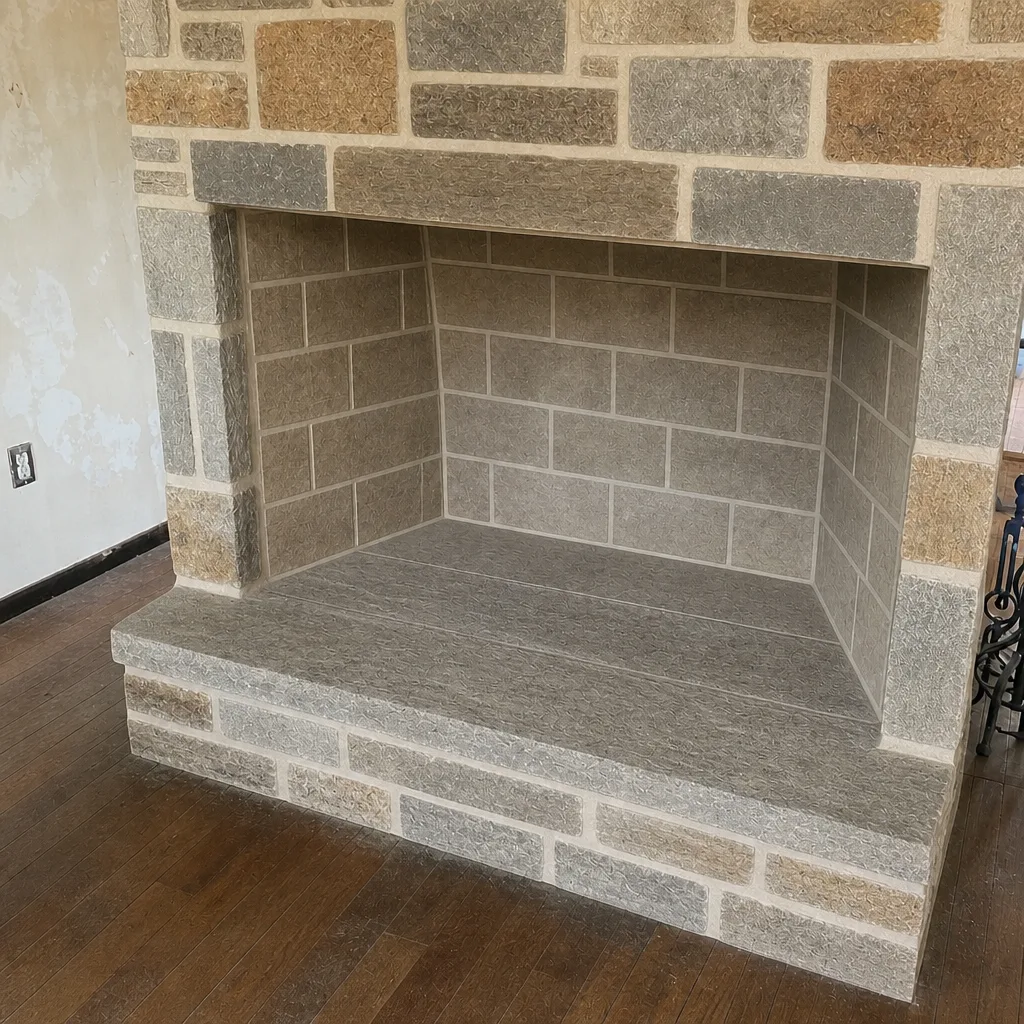
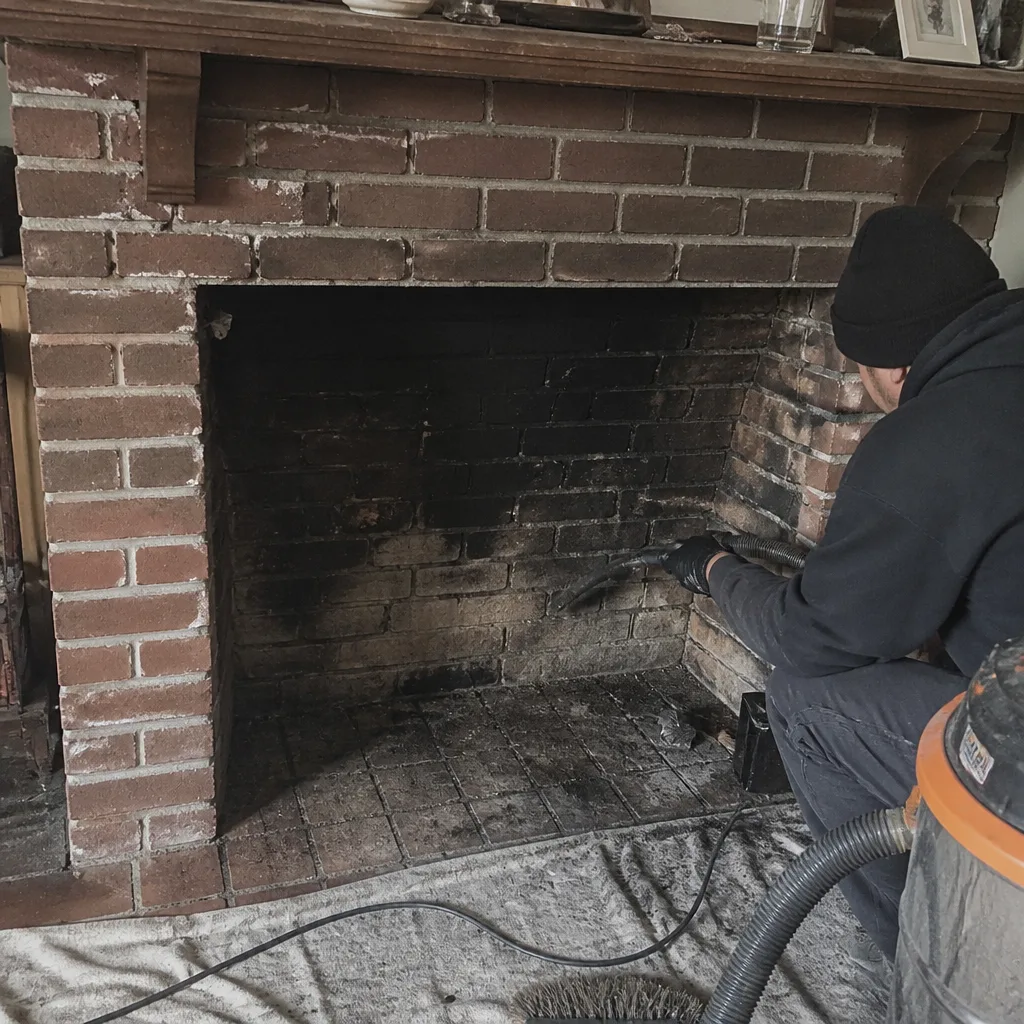
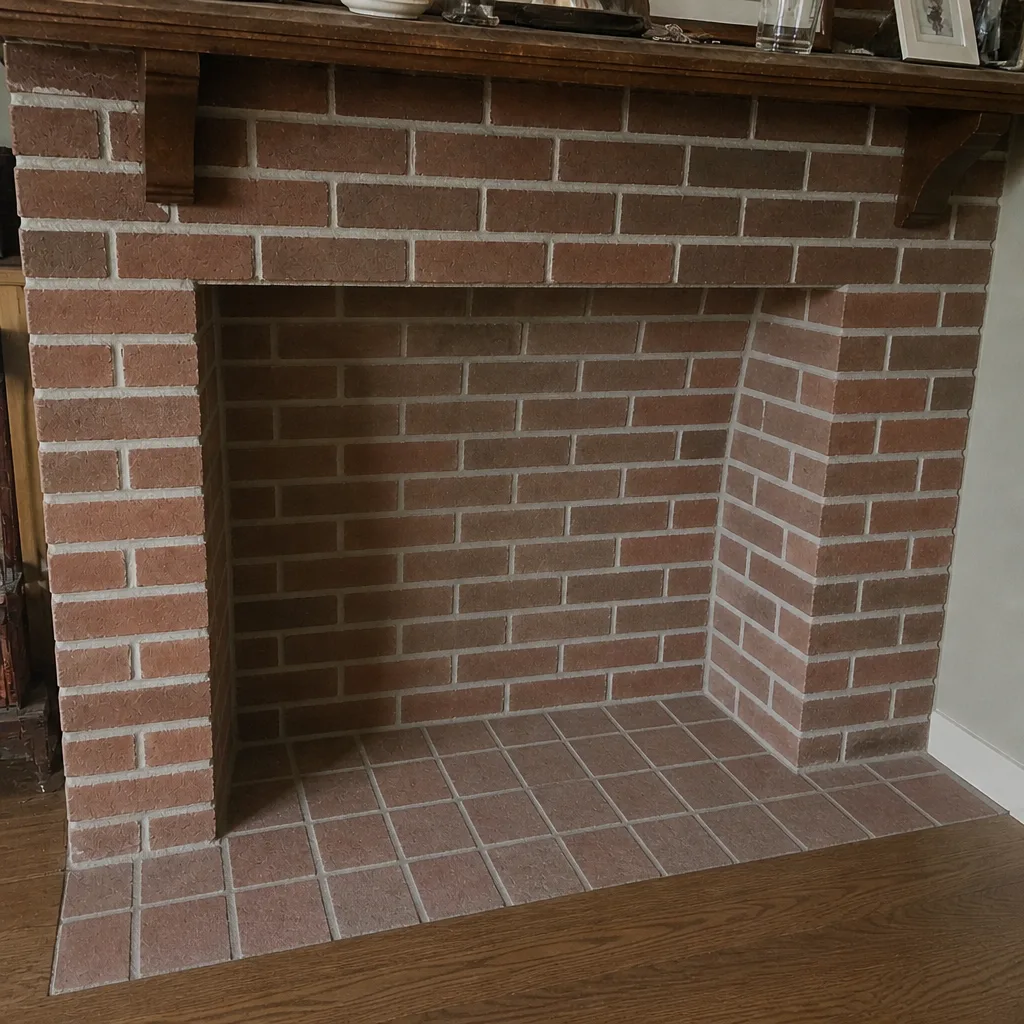
See the difference
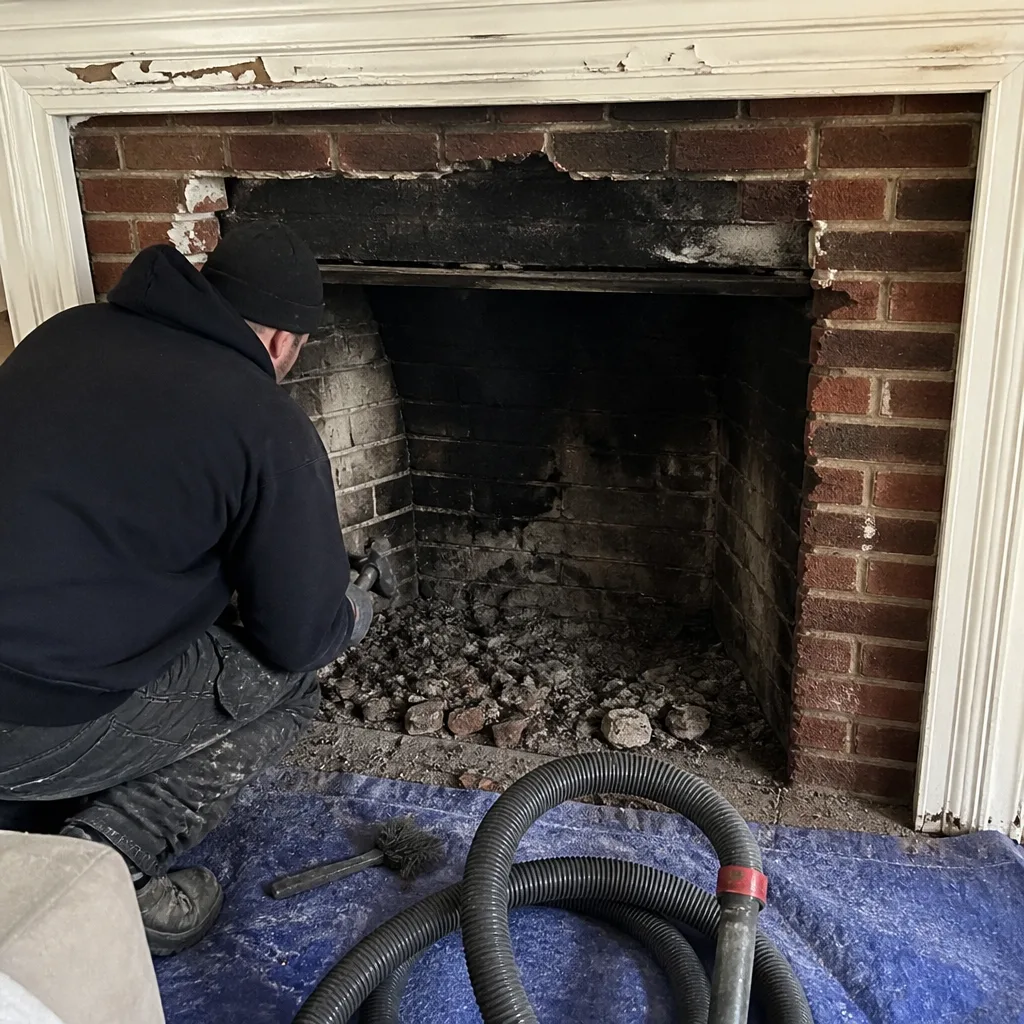 Before
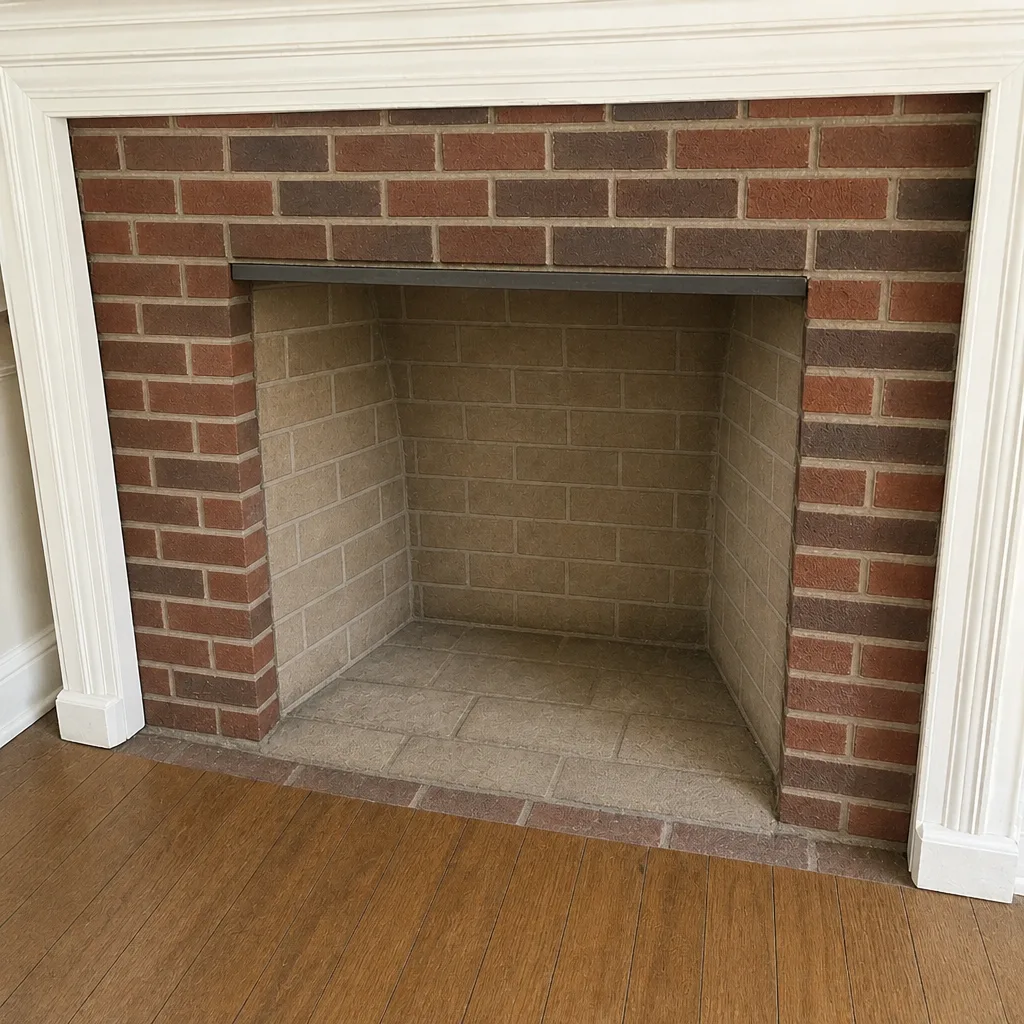 After
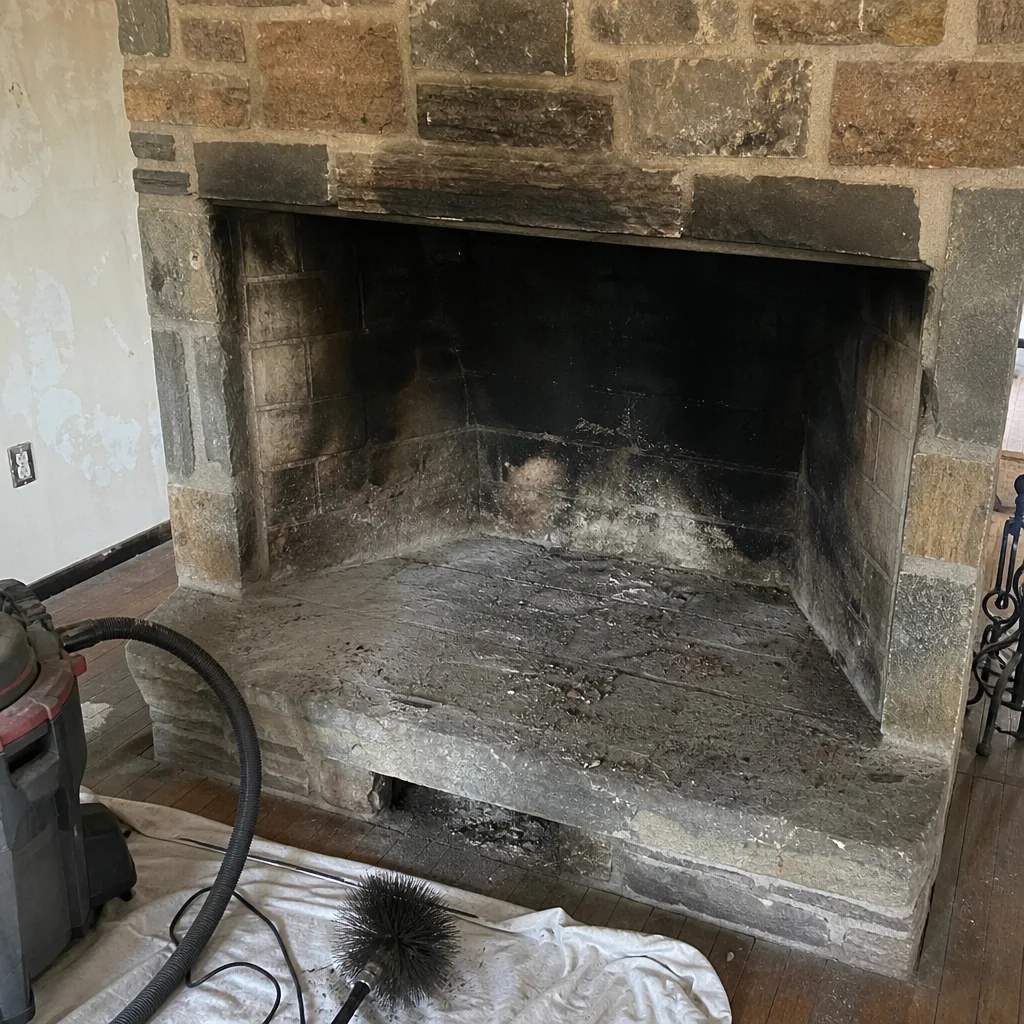 Before
 After
 Before
 After
When to Call a Professional
Call us when the scope crosses the line from maintenance to work that needs a filing, or when you’re not sure which side of that line you’re on. Specifically: if you’re replacing a liner, rebuilding a firebox, changing out a solid-fuel appliance, or adding a gas insert. Also call if you’re buying or selling a Gravesend home and need a Level 2 inspection and camera report that will answer the buyer’s attorney’s questions. And call if you’ve discovered an unpermitted prior installation; that’s a legalization question, and it’s better handled before a closing date than during one. Our technicians have up to 15 years of experience with exactly these situations.
Chimney Sweep Gravesend offers free estimates in Gravesend. Call (855) 342-5978. We answer 24/7. Fast dispatch from 7am to 7pm, Sunday through Friday.
Frequently Asked Questions
No. Routine chimney cleaning is considered ordinary maintenance and does not require a permit under NYC Building Code Section 28-105. What does require a permit is liner replacement, firebox rebuilds, and installation of solid-fuel appliances. If your sweep recommends anything beyond cleaning, ask whether the recommended scope requires a filing. Call (855) 342-5978 for an exact quote on a sweep or inspection; estimates are free.
Yes, in most cases. A liner replacement is an alteration to the venting system and typically requires a permit from the NYC Department of Buildings under Section 28-105. The filing is normally prepared by the licensed contractor performing the work, and it relies on the liner manufacturer’s installation documentation. Ask your contractor for that documentation and the permit number before work begins. Call (855) 342-5978 to discuss your liner project; estimates are free.
A Level 1 inspection is a visual check of accessible portions of the chimney and firebox. A Level 2 inspection adds a video camera scan of the flue interior and is the standard inspection for real estate transactions, after an appliance change, or after a suspected incident. For a Gravesend home sale, the buyer’s attorney will typically request a Level 2 with the camera report attached. Call (855) 342-5978 to book an inspection; estimates are free.
Yes. NYC Fire Code Section 603 governs the installation and use of solid-fuel-burning appliances, including wood stoves and fireplace inserts. It covers clearances to combustibles, venting, and the expectation that the appliance is installed to manufacturer instructions and inspected for safe operation. A Level 2 inspection with camera footage is the clearest evidence of current condition. Call (855) 342-5978 for a quote on an inspection; estimates are free.
You should be prepared to produce any permits, inspection reports, and warranties for chimney work done during your ownership. The buyer’s attorney typically requests these documents, and the title company’s open-permit search will show whether any filed work was never inspected. An unpermitted liner replacement is a common issue at resale and is best addressed before you list. Call (855) 342-5978 to discuss a pre-listing inspection; estimates are free.
No. Prior unpermitted work does not create an exemption; it creates a legalization situation. The typical path is a legalization filing for the past work, plus a current inspection documenting the installed system’s condition. This is why we recommend a Level 2 inspection and a document review on any recently purchased Gravesend home with an older chimney. Call (855) 342-5978 to discuss your options; estimates are free.
The Bottom Line
Most chimney cleaning in Gravesend doesn’t need a permit, and most liner replacements do. The line between them is NYC Building Code Section 28-105, and it matters more than most homeowners realize, because it’s the line between work your insurer and a future buyer can see documented, and work they can’t. Fire Code 603 covers the appliance side. A Level 2 inspection is the document that ties the whole record together. Get the scope right before the work, keep the report after, and you’re in a defensible position at resale.
Specialists focus on one thing: chimney and fireplace work. We handle the sweep, the inspection, and the repair under one accountable relationship, with professional-grade products like HeatShield, DuraFlex, Gelco, Olympia Chimney, Famco, and Copperfield. One specialist for the full chimney. Call (855) 342-5978. We answer 24/7. Fast dispatch from 7am to 7pm, Sunday through Friday.
Written by the team at Chimney Sweep Gravesend.