
Last updated November 22, 2026
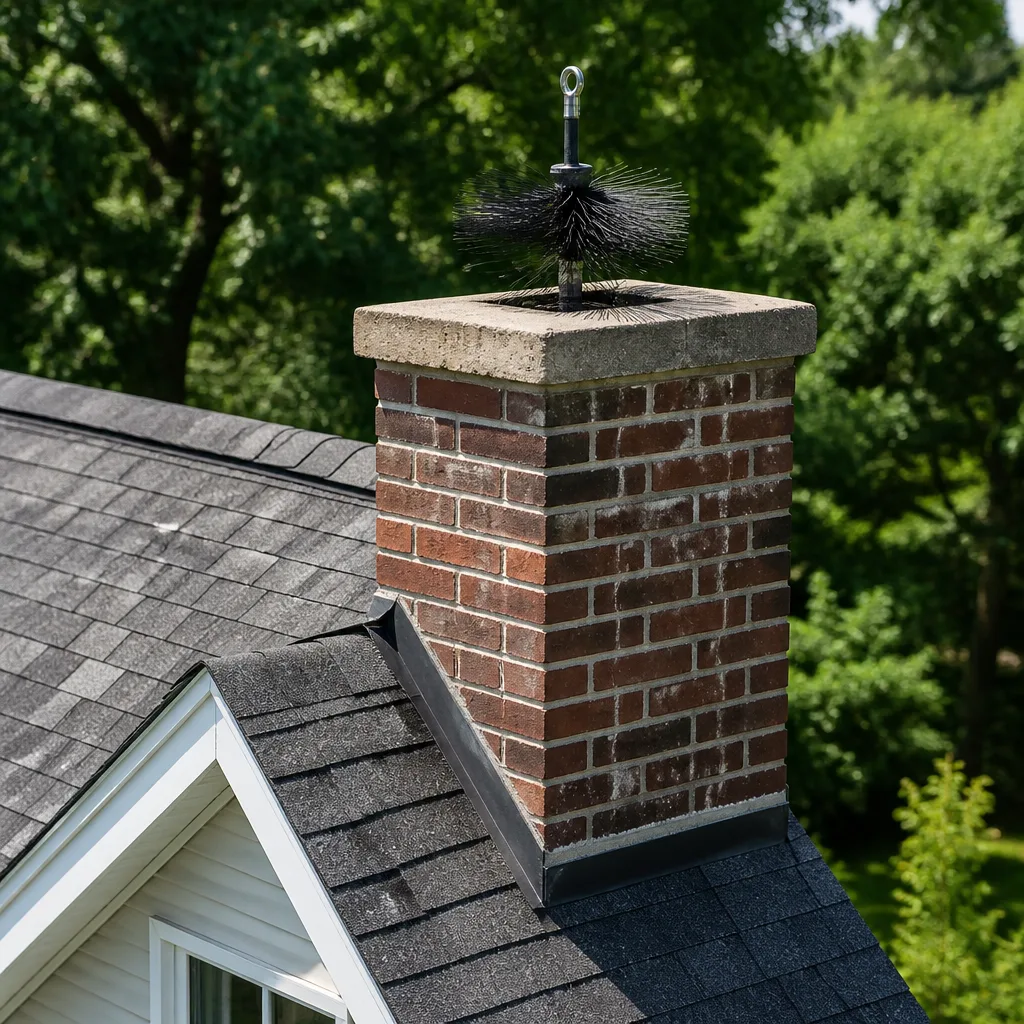 Sweep & inspection
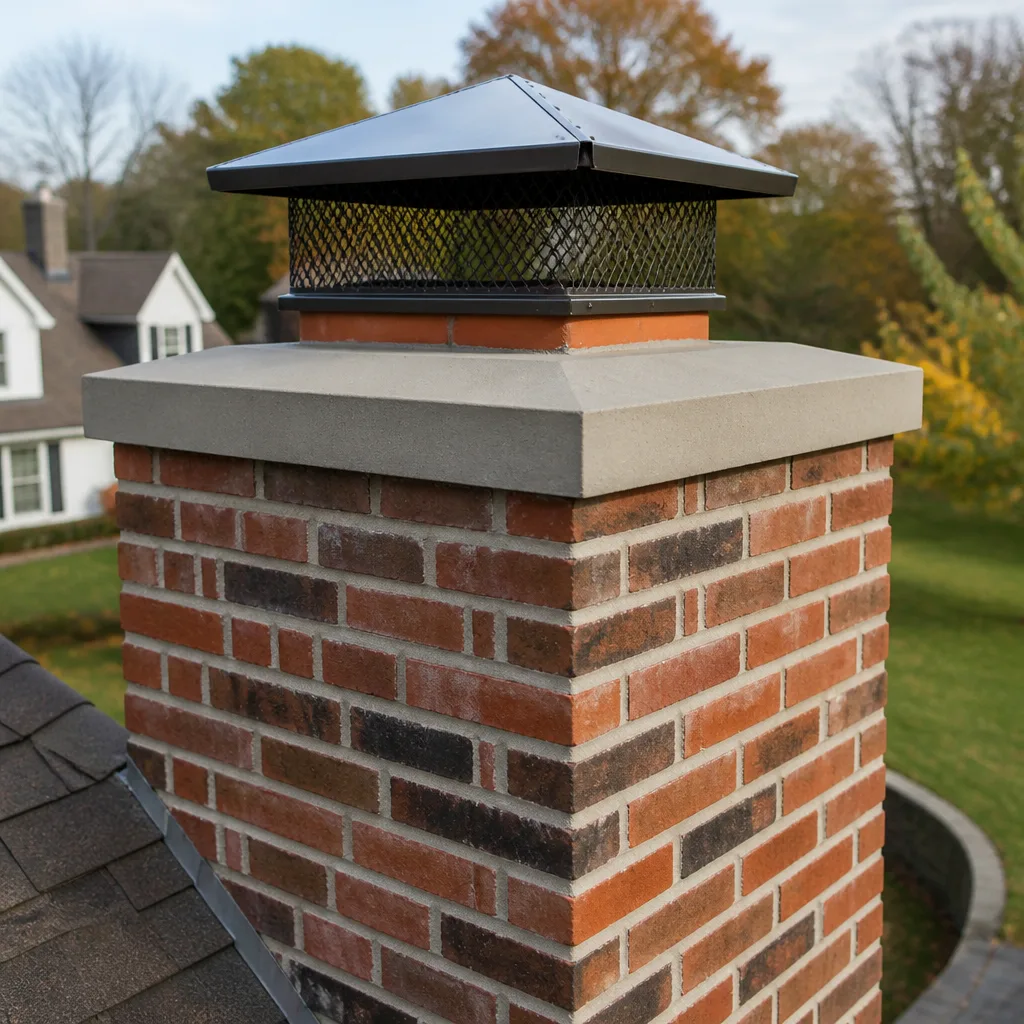 Caps & crowns
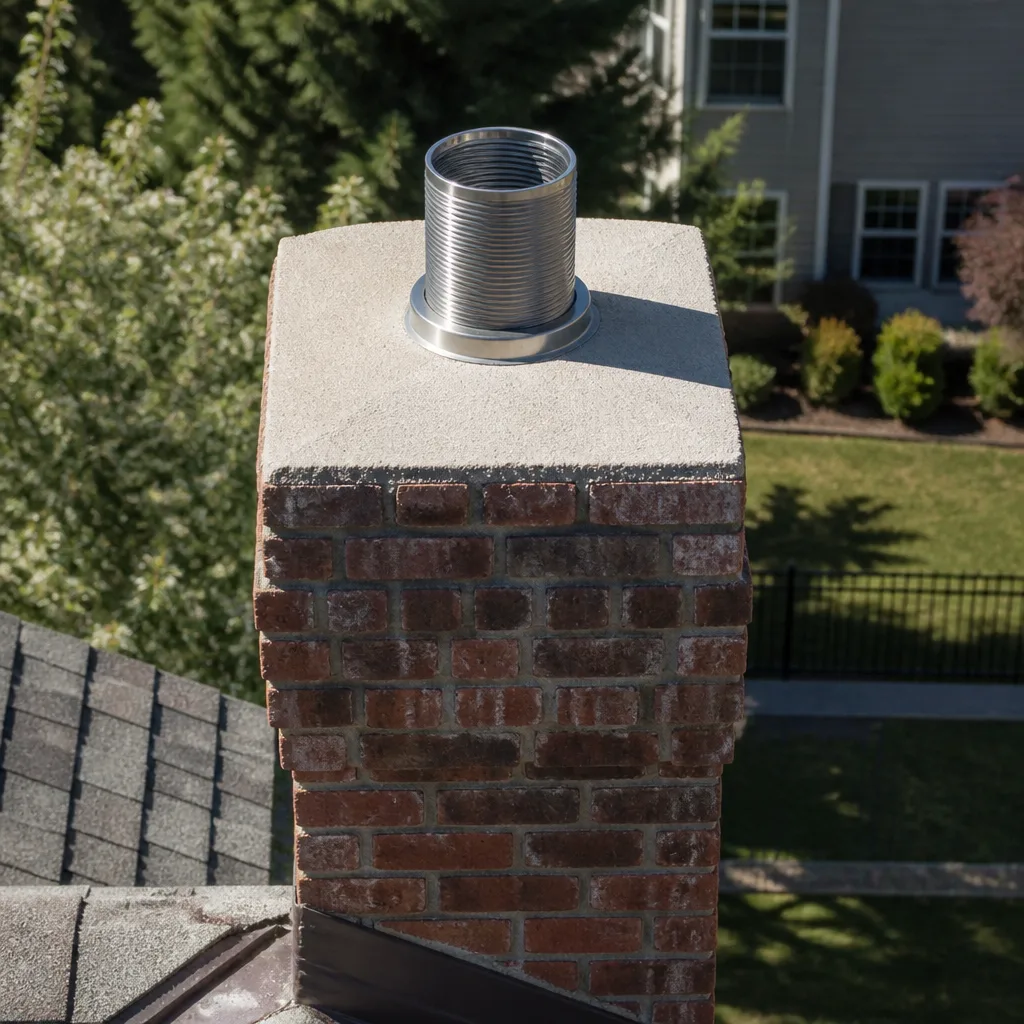 Flue relining
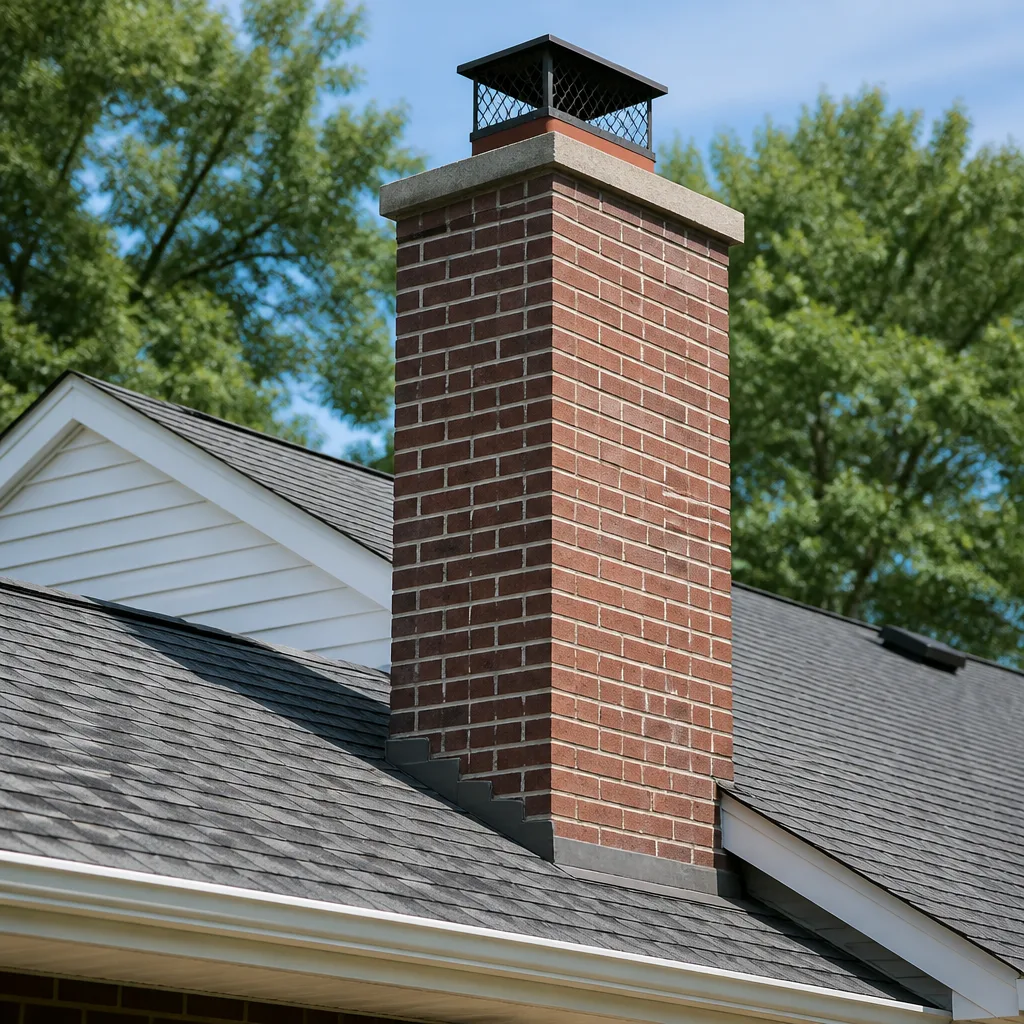 Masonry repair
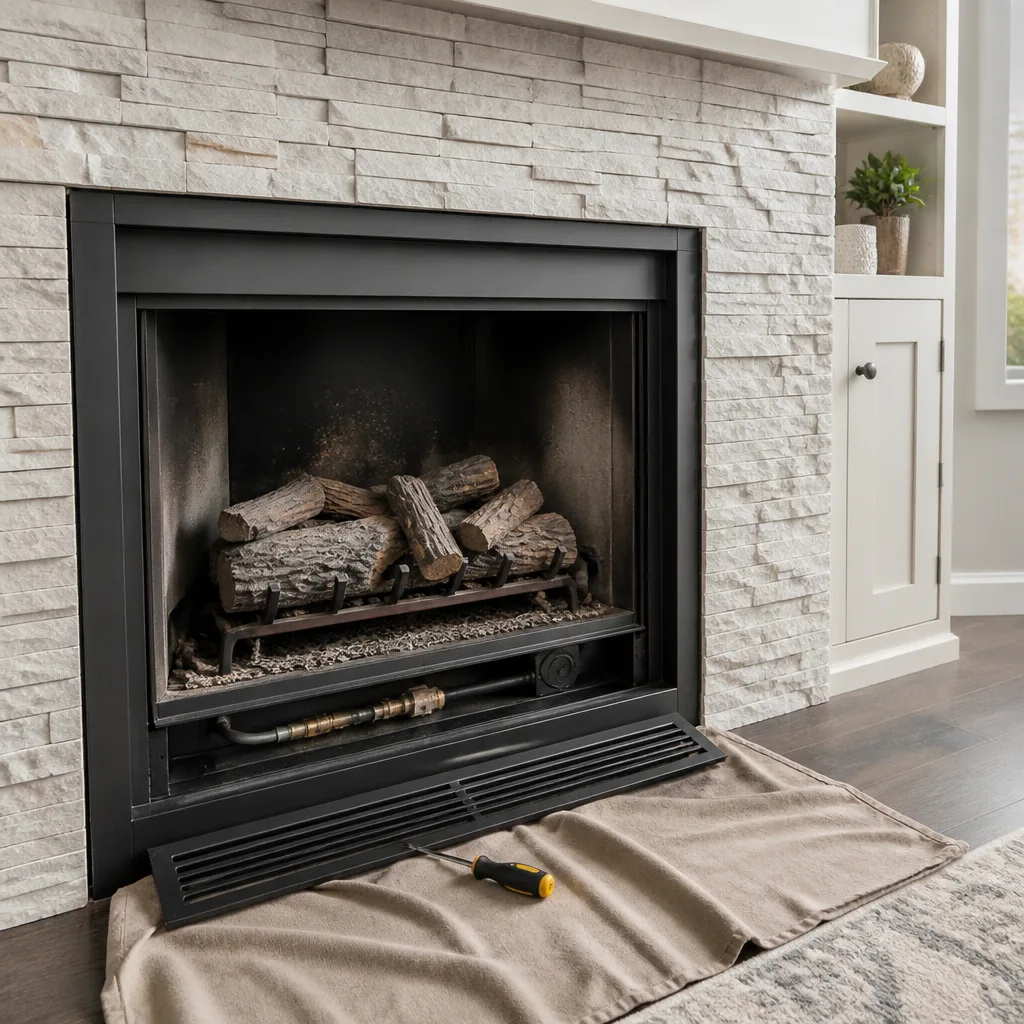 Gas fireplace service
Level 1 sweep and inspection to the NFPA 211 annual standard - flue, crown, cap, and flashing checked and photographed
Chimney sweep logs do not sweep chimneys. They loosen some creosote - which then falls where a brush and vacuum still have to collect it.
Chimney Cleaning Cost Breakdown: The Gravesend Homeowner’s Reference for 2026
A $79 chimney cleaning special almost certainly doesn’t include a liner camera scan, and that scan is the only way to know whether your chimney is safe to burn in this winter. Most homeowners in Gravesend shop for chimney work by price alone, then discover halfway through the season that the cheap quote covered a brush-down and nothing else. The flue, the crown, the cap, and the smoke chamber all sat untouched. This guide exists to fix that. We’ve put together a line-by-line reference to what chimney cleaning and the work around it actually costs in the Brooklyn market in 2026, what each line item is buying, and how to compare two estimates side by side so you’re not paying for guesswork. Everything here is written from our seat as a chimney-and-fireplace specialist working in Gravesend.
Styles & brands we work with
- Sweep & inspection
- Caps & crowns
- Flue relining
- Masonry repair
- Gas fireplace service
Quick Answer
A legitimate single-flue chimney cleaning in Gravesend in 2026, including a basic inspection and a written report, typically runs $150 to $300 for a standard rowhouse flue. Add a liner camera scan ($0 to $150 depending on whether it’s bundled), and third-degree creosote treatment can add $250 to $600. Liner replacement, when it’s genuinely needed, ranges from roughly $1,800 for a HeatShield resurfacing to $5,000 and up for a full stainless reline on a difficult flue. The written estimate always sets the final price, and anything not grounded in camera evidence deserves a second look.
Table of Contents
- What Does a Standard Chimney Sweep Cost in Gravesend?
- Add-Ons: What’s Necessary and What’s an Upsell
- Creosote: Why the Degree of Deposit Drives the Price
- The Liner Camera Scan: The Line Item That Actually Matters
- Liner Replacement Cost: DuraFlex, Rigid Stainless, and Poured Systems
- HeatShield Resurfacing as an Alternative to Relining
- Cap and Crown Work: The Weatherproofing Line
- How to Read Two Competing Estimates Side by Side
- Common Mistakes to Avoid
- When to Call a Professional
- Frequently Asked Questions
- The Bottom Line
What Does a Standard Chimney Sweep Cost in Gravesend?
A standard single-flue chimney sweep in Gravesend in 2026 costs between $150 and $300 when it includes a basic inspection and a written report of what was found. That range reflects the ordinary case: one flue, one fireplace or wood stove, ordinary soot and first-degree creosote, no surprises behind the damper. Two-flue houses cost more because the sweep itself takes longer and the inspection has more surface to cover. A home with a wood-burning insert, a stovepipe connection, or an offset flue will land at the high end of the range.
Here’s a rough line-item reference for the Gravesend market. These are typical estimates, not quotes:
- Single-flue sweep, inspection, written report: $150 to $300
- Two-flue sweep, both flues: $280 to $500
- Wood stove or insert sweep: $200 to $375
- Level 1 inspection (visual, included in most sweeps): $0 when bundled, $75 to $150 when sold separately
- Level 2 inspection (camera, attic/crawl access): $200 to $400
- Liner camera scan (video, photo report): $0 to $150
- Third-degree creosote chemical treatment: $250 to $600
- Chimney cap installation: $175 to $450
- Crown repair or rebuild: $400 to $1,800
- HeatShield flue resurfacing (standard rowhouse flue): $1,800 to $2,800
- Full stainless reline (DuraFlex or rigid): $3,000 to $5,500
Gravesend has a housing stock that shapes these numbers. The neighborhood is dense with brick rowhouses and low-rise apartment buildings, and many of the flues serving them were laid out decades ago with the interior dimensions of a different heating era: small clay tiles, sometimes with a shallow crown and a modest cap. That means a sweep has less room to work than on a wide masonry chimney, and any relining that eventually happens will usually be a smaller-diameter system sized to the appliance, which affects the price. A rowhouse with an interior chimney rising through the middle of the building behaves differently from a building with an exterior stack on the party wall; the exterior stack runs colder, which matters when you get to creosote.
What you should expect for the $150 to $300 sweep, in plain terms: drop cloths down, the firebox and smoke shelf cleaned, the flue brushed from the top or bottom with the right rods, the firebox vacuumed, the damper checked, and a written record of what the technician saw. Anything less than that is a brush-and-go, not a sweep. If a price is quoted without a written report attached, ask why.
Add-Ons: What’s Necessary and What’s an Upsell
Add-ons break into two categories in a chimney estimate: the ones that answer a safety question, and the ones that decorate a low headline number into a bigger bill. Knowing the difference is the entire game when you’re shopping in Gravesend, where rowhouse flues are often shared or close together and where a missed liner defect can affect more than just your own fireplace.
The genuinely necessary add-ons, in order of how often they earn their keep:
- Liner camera scan. Video inspection of the flue interior, usually with a still photo report sent to you. Necessary whenever the chimney hasn’t been inspected in a while, whenever there’s any sign of moisture, rusted damper parts, or crumbling tile joints, and always before you start a new appliance. Many sweeps bundle it at no extra charge; when sold separately, $0 to $150.
- Level 2 inspection. Required before any change in fuel type, after a chimney fire, after an earthquake or structural event, and when a property changes hands. It looks at the attic, crawl spaces, and the connected venting, not just the flue interior. Typically $200 to $400 on top of the sweep.
- Third-degree creosote treatment. Creosote in its glazed, hardened form cannot be removed by brushing alone. It needs a chemical treatment to soften the deposit so a technician can get it off safely. If you burn unseasoned wood or run the firebox damped down, this is usually the problem. $250 to $600.
- Cap installation or replacement. A missing or damaged cap lets rain, snow, and small animals into the flue. That causes the very damage that later shows up as a liner repair. $175 to $450.
The add-ons that ask for scrutiny: “flue deodorizing” when the actual problem is a draft issue, “smoke chamber parging” sold before anyone has looked at the smoke chamber with a camera, “rebuild the whole stack” quotes that arrive without photos or report pages, and “bird screen replacement” on a cap that’s fine. None of these are automatically upsells. In our experience, the upsell marker is the absence of evidence, not the name of the add-on itself.
What matters is that nothing gets recommended without a picture of the actual flue or chamber. A legitimate add-on in a Gravesend rowhouse shows you the cracked tile, the glazed deposit, the missing mortar joint, or the water stain. When you’re comparing an $79 sweep to a $220 sweep, the difference is almost always whether these add-ons get priced honestly up front or discovered halfway through the visit.
Creosote: Why the Degree of Deposit Drives the Price
Creosote is the single biggest variable in any chimney cleaning price in Gravesend, because the degree of deposit determines how much labor and treatment the sweep involves. A flue with light first-degree soot brushes out in the time the base sweep allows. A flue with third-degree glazed creosote can double or triple the base price and, in the worst cases, will require the surface to be restored before it’s safe to burn again. The difference between the two is not the sweep’s opinion. It’s a measurable classification.
How the three degrees work, in plain terms:
- First-degree: soft, flaky soot that brushes away easily. This is the ordinary case and should be covered within the base $150 to $300 sweep.
- Second-degree: a harder, crusty deposit that brushes off in flakes but takes more passes. Still usually inside the base price on a small rowhouse flue, sometimes at the high end.
- Third-degree: glazed, tar-like, hardened onto the flue wall. Brushing alone won’t remove it, and it needs a chemical treatment (typically $250 to $600) plus revisiting. In the worst cases the liner surfaces are too compromised and resurfacing or relining becomes the safety call.
Gravesend’s burning patterns push creosote up the scale more often than homeowners expect. The neighborhood is dense with wood-burning fireplaces that get heavy seasonal use. In small flues, the fire can sit damped down for long stretches, which is exactly the condition that produces glazed deposits. Wood that isn’t fully seasoned makes it worse. And because many Gravesend stacks are exterior on a party wall, the flue runs cold, which means smoke cools faster than it does in a warm interior stack and deposits sooner. None of this is unsafe on its own, but it explains why the same chimney on the same weekly schedule produces different creosote loads in Gravesend than in a house with a central interior flue in a milder climate.
Here’s the practical takeaway when you’re reading an estimate. If a quote includes a creosote treatment, the estimate should say what degree of deposit the technician found and show you where. If it doesn’t, ask. And if it lists a treatment without a scan, that’s a recommendation without evidence, and it shouldn’t drive your decision. We work only from camera and hands-on evidence, and we’re clear when work can safely wait until the following season.
The Liner Camera Scan: The Line Item That Actually Matters
The liner camera scan is the cheapest line item in a chimney estimate and the one that decides whether the rest of the estimate is real. It’s a fiber-optic or video camera run through the flue interior to look at every joint, wall, and surface from the firebox to the cap. It costs $0 to $150 as an add-on when not bundled, and it’s the only way to answer the safety question that matters: is this flue intact enough to contain fire and combustion gases?
Here’s why a sweep without a scan is incomplete. The visible parts of a flue are the firebox, the damper, and the top few feet you can see from the roof. Everything between the two is hidden. Clay tiles crack from heat cycling. Mortar joints erode. Old relines delaminate. A chimney fire can leave a flue structurally intact but with a hidden defect that lets combustion gases into the walls of the house. Brushing a flue with those defects doesn’t clean them. It just cleans around them.
The scan answers three questions at once:
- What’s the flue surface? Whether the original clay tile is sound, or whether there’s a stainless liner already in place and how it’s holding up, or whether the surface has been resurfaced with a product like HeatShield and needs to be checked by a technician who knows what that surface looks like when it’s aged.
- What’s the creosote load? The camera shows the deposit degree at every level, not just near the top. That’s how a technician decides whether a chemical treatment is needed or whether the base sweep covers it.
- Is there a blockage or a draft problem? Leaves, animal nests, a collapsed piece of liner, or a damaged damper that isn’t obvious from the firebox can all be seen with the camera and hidden without it.
What you should receive after a scanner inspection is a photo report. Not a verbal summary. Not a “you need a new liner” phone call. Actual images you can look at and keep. We send a written report with photos with every sweep because a homeowner who can see what the technician saw doesn’t have to take anything on faith, and because it’s the best defense against being sold a liner you don’t need. A technician with repair experience reads those images differently from one running a checklist, which is why we do both the scan and the repair work in the same company. Nothing gets recommended that isn’t visible in the pictures you’re holding.
Liner Replacement Cost: DuraFlex, Rigid Stainless, and Poured Systems
Liner replacement in Gravesend in 2026 typically costs $3,000 to $5,500 for a full stainless reline on a standard rowhouse flue, and the spread is driven by material and installation method as much as by flue size. A rigid stainless section costs a little less than a flexible one to buy but requires a straight flue with more clearance, so it isn’t always the cheaper option installed. A flexible liner like DuraFlex can work its way through a flue with some offsets and bends without needing a full rebuild, which is often the difference between a $3,000 job and a $6,000 job on the same house. The material choice should follow the flue, not the other way around.
Here’s how the main options compare, in rough installed-price terms:
- Flexible stainless reline (DuraFlex or equivalent): $3,000 to $5,000, standard rowhouse flue. Handles offsets and bends, good for most clay tile flues that need a new barrier.
- Rigid stainless reline: $3,200 to $5,500. Better heat tolerance and a smoother interior, but requires a straight flue and more clearance, so sometimes not the right fit for an old Gravesend stack.
- Poured-in-place insulation around a stainless liner: $4,000 to $6,500. The insulation improves draft and reduces creosote in cold exterior flues, which is why it’s common in this neighborhood. Higher cost, better performance in an exterior stack.
- HeatShield resurfacing (see below): $1,800 to $2,800 for a standard rowhouse flue, and only when the underlying liner is still structurally sound.
Two things drive the price spread more than any other line on a reline estimate. The first is access. A flue on an interior chimney rising through the center of a Gravesend rowhouse is easier to work from the top than a flue on an exterior stack on a party wall where the technician has to set up differently. The second is diameter. A small-diameter liner sized to a wood-burning insert or gas appliance uses less material and costs less than a large-diameter liner sized to an open fireplace, and the firebox itself may need modification to fit the appliance connection.
What drives the price for the same job from one quote to another is usually what’s included. A reline estimate should state the material, the liner diameter, whether insulation is included, whether the top plate and cap are included, whether the firebox connection is included, and whether the old flue gets cleaned before the new liner goes in. Any of those missing from a low quote is a line you’ll pay for later. That’s the whole game when you’re comparing a $2,800 quote to a $4,200 quote for the same flue.
HeatShield Resurfacing as an Alternative to Relining
HeatShield resurfacing typically costs $1,800 to $2,800 for a standard Gravesend rowhouse flue, roughly half to two-thirds the cost of a full stainless reline, and it’s appropriate when the existing clay tile is still structurally sound but the joints and surfaces need to be restored. It’s a ceramic resurfacing system that fills cracks, rebuilds the joint between tiles, and leaves a smooth interior surface. It’s a repair, not a patch. What it is not is a solution for a flue whose tiles are broken or missing, which is where a full reline becomes necessary.
How a technician decides between the two:
- Camera inspection. Every joint is checked for separation. Tiles are checked for cracks and spalling. The top and bottom of the flue are checked for damage from water and heat.
- Structural assessment. If the tiles are intact from top to bottom, with joint separation but no missing or broken pieces, resurfacing is on the table. If pieces are missing or the structure is compromised, a new liner is the only safe answer.
- Fit with the appliance. A HeatShield surface is restored to the original flue size and shape. A new liner may be a different diameter, sized to the appliance. For a house that will keep the existing wood-burning fireplace or stove, resurfacing often fits well.
- Written scope. The estimate states which system and why, with the camera photos attached. You should be able to see what the technician is proposing to fix.
What makes HeatShield worth knowing about in Gravesend specifically is the housing stock. Many rowhouse flues here are close to a hundred years old or older, with clay tile in decent enough shape that the surface is a better fit than a full reline. A general contractor or a sweep-only service is unlikely to offer this because it requires both the product and the training to apply it. It also requires the technician to be honest about when it won’t work, because the wrong application just delays a liner replacement a season or two and leaves a homeowner paying twice.
We work with HeatShield because we do the repair work the inspection points at. The same hands that read the camera scan are the ones applying the ceramic surface, and that changes what gets recommended. A flue that can be resurfaced should be resurfaced. A flue that needs a new liner shouldn’t get a surface treatment, and it’s our job to tell you which before you spend the money.
Cap and Crown Work: The Weatherproofing Line
Cap and crown work typically adds $175 to $450 for a cap and $400 to $1,800 for a crown repair or rebuild, and it is the line item most often left out of a chimney cleaning estimate. That’s a mistake. The cap and crown are what keep water out of the flue between sweeps. In Gravesend, where brick rowhouses and low-rise apartment buildings dominate and where the freeze-thaw cycle works on mortar and tile every winter, the crown and cap aren’t cosmetic. They’re the difference between a flue that needs a cleaning and a flue that needs a reline a few seasons from now.
What each one does:
- The cap sits on top of the flue and blocks rain, snow, leaves, and animals from entering. A missing or damaged cap is one of the most common causes of water damage and draft problems. Installation is straightforward and priced accordingly, $175 to $450 installed, higher when a custom cap is needed for an odd flue dimension.
- The crown is the mortar and concrete surface at the top of the chimney that sheds water away from the brick. A cracked crown lets water into the masonry, which then shows up as interior damage and, eventually, as tile failure. A crown repair is $400 to $1,200; a full crown rebuild is $800 to $1,800, depending on the size of the chimney top and whether a metal or concrete crown is used.
What makes this line worth handling in the same visit as a cleaning is that the cap and crown are the two most common causes of a chimney needing repair in the first place. When we perform a chimney cap & crown installation on a Gravesend rowhouse, the goal is to close the loop between maintenance and weatherproofing so the next cleaning is a cleaning and not a repair. Sweep-only services often stop at the sweep because they don’t install the parts. That leaves the homeowner juggling a second call for the cap and a third for the crown. One specialist for the full chimney, cleaning, inspection, repair, and weatherproofing, means the cap and the crown get handled by the same hands that did the scan.
We name the cap and crown brands we install because materials matter as much as labor. Gelco and Olympia Chimney produce caps and components built for the trade, and those are the parts we use when we install. A big-box cap is a different product, and it shows up in the weatherproofing line before the next season ends.
How to Read Two Competing Estimates Side by Side
Two chimney estimates for the same Gravesend rowhouse can differ by thousands of dollars, and the difference is almost never the technician’s hourly rate. It’s what’s included and what’s left out. The trick to comparing them is to add the missing line items back into the low quote and see whether it’s still the low quote.
Start with the scope. A complete cleaning and inspection estimate for a Gravesend flue should state, line by line:
- Sweep scope. How many flues, which appliances, whether the smoke chamber and smoke shelf are included, and whether the firebox is vacuumed.
- Inspection level. Whether it’s a Level 1 (visual, bundled), Level 2 (camera plus accessible attic and crawl), or Level 3 (investigative, rarely needed).
- Camera scan. Whether it’s included, and whether you receive photos.
- Written report. Whether the findings are documented and sent to you.
- Creosote assessment. The degree of deposit found, and whether a treatment is included or quoted separately.
- Repair recommendations. Whether the quote separates necessary work from work that can wait.
- Cap and crown status. Noted and quoted, not skipped.
Add the missing lines to the low quote. If a $79 sweep doesn’t include a camera scan, add $0 to $150. If it doesn’t include a written report, add the value of getting one, because you’re not going to get a second opinion without it. If a $2,800 reline quote doesn’t include the top plate, cap, insulation, or firebox connection, add those back to see the real price.
Two other comparison points. First, the material called out in the quote. A reline quote that names DuraFlex or a HeatShield resurfacing is a different product than a generic stainless liner quote, and the price should reflect that. Second, who’s doing the repair. A sweep-only company that recommends a reline is passing the work to someone else, and the person doing the reline may not have seen the same camera scan. A chimney repair estimate from a specialist that shows the camera photos and states the material and method is a different animal from one that doesn’t. When we quote repair work, we list the repair-grade material we’re using and the reason for the recommendation. The goal is to make both estimates readable on the same terms. Then you can see whether the low one is genuinely cheaper or just smaller.
Common Mistakes to Avoid
- Buying the cheapest sweep on the flyer. A $79 special that doesn’t include a camera scan isn’t a chimney cleaning; it’s a brush-down. You can’t know if your flue is safe from a brush-down, and you’ll pay for the scan separately if you ever want the actual answer.
- Skipping the camera scan because the sweep “looked fine.” A clean flue and an intact flue are two separate things. The brush removes deposits. Only the camera reveals whether the tile joints behind the deposits are still holding.
- Accepting a liner replacement quote without photos. Any liner recommendation should come with a photo report of the actual flue, not a verbal summary. If the technician can’t or won’t show you the images, don’t act on the quote until you have a second opinion with evidence.
- Ignoring the crown while the sweep is on the roof. In Gravesend’s freeze-thaw winters, a cracked crown is often the root cause of the interior damage a homeowner is paying to fix. Handle it in the same visit while the technician is already on the roof.
- Burning unseasoned wood and paying for the creosote later. Wet wood produces more creosote, and creosote is what moves a $200 sweep to a $500 chemical treatment. Seasoned wood costs more up front and less per season in the long run.
- Assuming a general contractor can handle the whole chimney. Cap work and crown work are often tacked onto other jobs by handymen who don’t have experience with flue liners. A specialist who does both the inspection and the repair is who the estimate should come from.
- Treating the low estimate and the high estimate as the same scope. The high estimate usually covers more of what the chimney actually needs. Add the missing lines back to the low quote before you decide, and you’ll often find the spread closes or reverses.
When to Call a Professional
Call a professional chimney sweep when any of the following is true: the chimney hasn’t been swept and inspected within the last year, you smell smoke or creosote in the room when the fireplace is running, the damper has become stiff or is visibly damaged, there’s moisture staining on the ceiling or walls near the chimney, a cap is missing or dented, the crown has visible cracks, or the firebox has a smell of creosote when the fireplace is off. All of those are also reasons to want the camera scan, because each of them is a sign the flue interior may have changed since the last visit. If you’ve had a chimney fire, even a small one, call before you burn again, and mention the fire when you call.
If you’re not sure whether your chimney needs a visit, that’s also a reason to call. A basic cleaning and inspection with a written report is the answer to “how bad is it” and the cheapest way to know. Chimney Sweep Gravesend offers free estimates in Gravesend. Call (855) 342-5978. We answer 24/7. Fast dispatch from 7am to 7pm, Sunday through Friday.
Frequently Asked Questions
A standard single-flue chimney sweep in Gravesend in 2026 typically costs $150 to $300, including a basic inspection and a written report. Add a camera scan ($0 to $150) and creosote treatment ($250 to $600 if third-degree deposit is found), and the total can land between $200 and $700 depending on the flue. Call (855) 342-5978 for an exact quote; estimates are free.
You need a new liner when the camera scan shows broken or missing tile, a delaminated existing liner, or a flue that can no longer safely contain fire and combustion gases. You don’t need one when the tile is intact and the issue is only joint separation, because HeatShield resurfacing ($1,800 to $2,800) can restore that surface for roughly half the cost of a full reline ($3,000 to $5,500). The only way to know which case you’re in is a photo report. Call (855) 342-5978 for a scan-backed opinion; estimates are free.
For a fireplace in regular use, once a year is the working rule, and the correct time to do it here is before the burning season starts in the fall. A wood stove or insert in heavy use may need a mid-season check as well, especially if the wood isn’t fully seasoned or the flue runs cold on an exterior party wall. If you’ve had a chimney fire, sweep and inspect before you burn again regardless of the calendar. Call (855) 342-5978 to book; estimates are free.
Skipping a sweep allows creosote to build up and harden into glazed third-degree deposit, which brushing alone can’t remove, and it lets small flue defects go unseen until they become a repair. The safety concern is chimney fire and carbon monoxide, both of which a camera scan and written report are designed to catch early. No scare needed: the fix is a bookable sweep, and the estimate is free. Call (855) 342-5978.
HeatShield resurfaces the existing flue rather than installing a new liner inside it, so it uses less material and less labor, at $1,800 to $2,800 for a standard Gravesend rowhouse flue versus $3,000 to $5,500 for a full stainless reline. It applies when the tile structure is intact and the problem is at the joint and surface level. When the tile is broken or missing, resurfacing isn’t appropriate and a new liner is the only safe answer. Call (855) 342-5978 for a scan that tells you which case you’re in; estimates are free.
A chimney sweep ordinarily doesn’t include cap or crown work unless the sweep company also installs them. Cap installation runs $175 to $450 and crown repair or rebuild runs $400 to $1,800, and both are worth handling in the same visit as the sweep because they’re the two most common causes of a chimney needing repair in the first place. Chimney Sweep Gravesend handles sweep, inspection, cap, crown, and repair as one scope. Call (855) 342-5978; estimates are free.
The Bottom Line
Chimney cleaning prices in Gravesend vary by a factor of three or more in 2026, and the gap is almost never about the sweep itself. It’s about what’s included: the camera scan, the written report, the creosote assessment, the cap and the crown. A $79 cleaning that skips the scan isn’t cheaper. It’s a smaller job that leaves the actual question unanswered. Compare estimates by adding the missing lines back into the low quote. Expect $150 to $300 for a legitimate sweep, $0 to $150 for a scan, $250 to $600 for a creosote treatment, $1,800 to $2,800 for HeatShield resurfacing, and $3,000 to $5,500 for a full reline. The written estimate sets the final price.
If you want a free estimate backed by a camera scan and a photo report you can hold onto, call Chimney Sweep Gravesend at (855) 342-5978. We answer 24/7. Fast dispatch from 7am to 7pm, Sunday through Friday. Our technicians have up to 15 years of experience, and we work with professional-grade materials including DuraFlex, HeatShield, Gelco, Olympia Chimney, Famco, and Copperfield because materials matter as much as labor.
For a deeper look at what we do, start with Chimney Sweep Gravesend and our chimney sweep service page, or book an inspection and let the camera show you where your flue actually stands.
Written by the team at Chimney Sweep Gravesend.
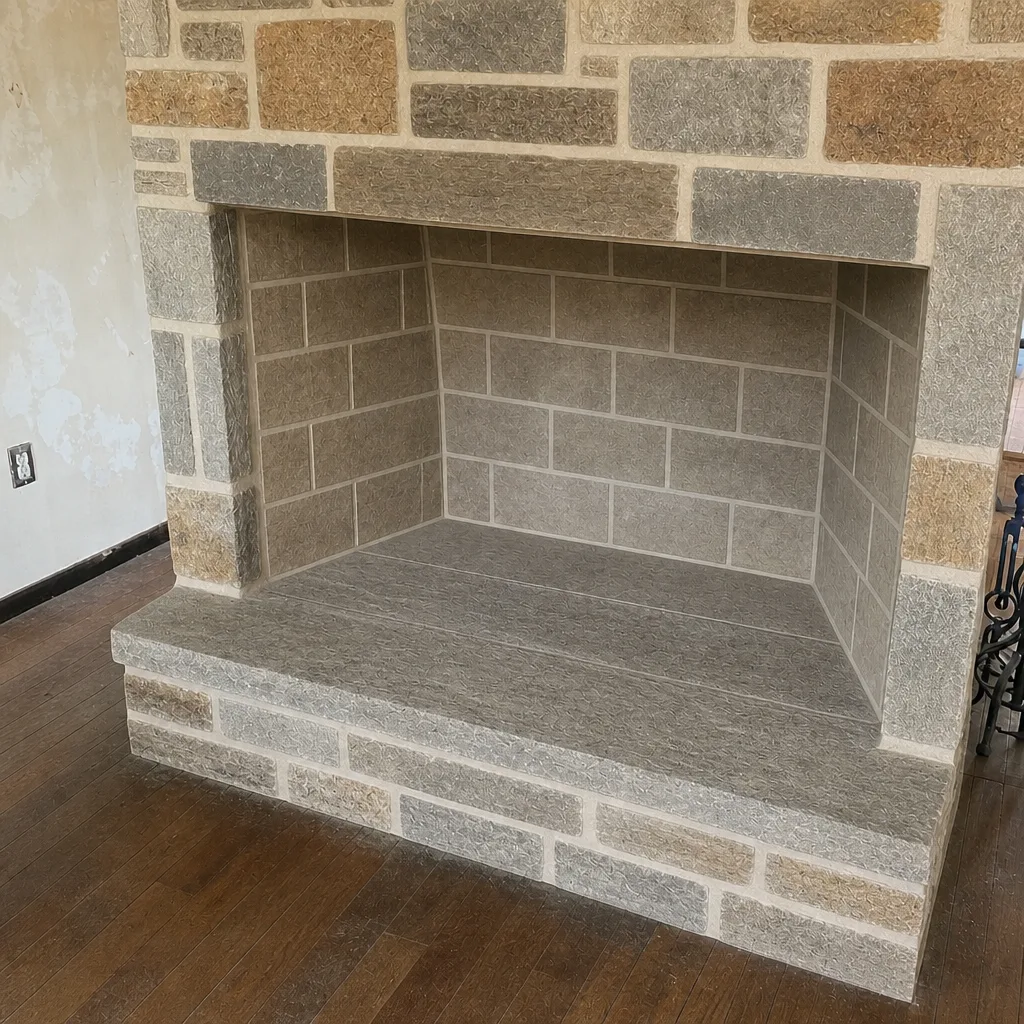
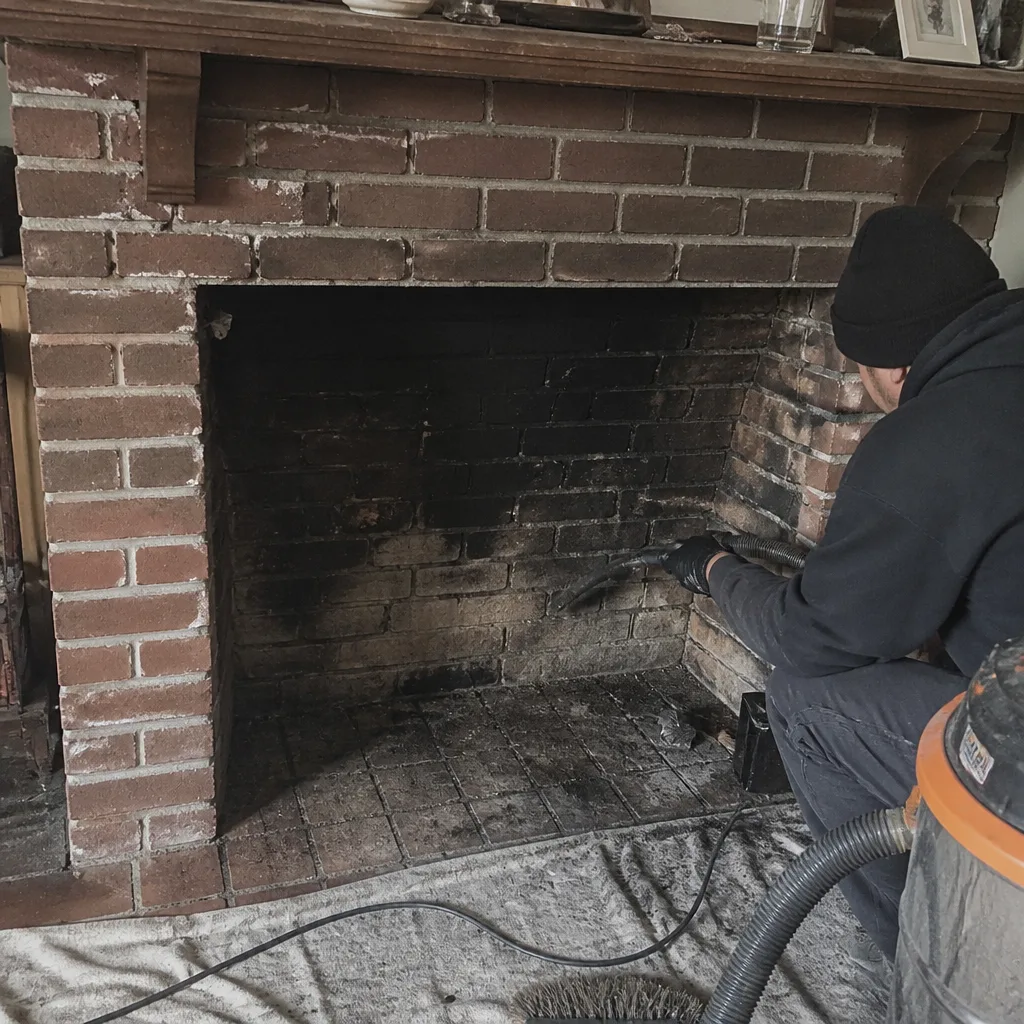
See the difference
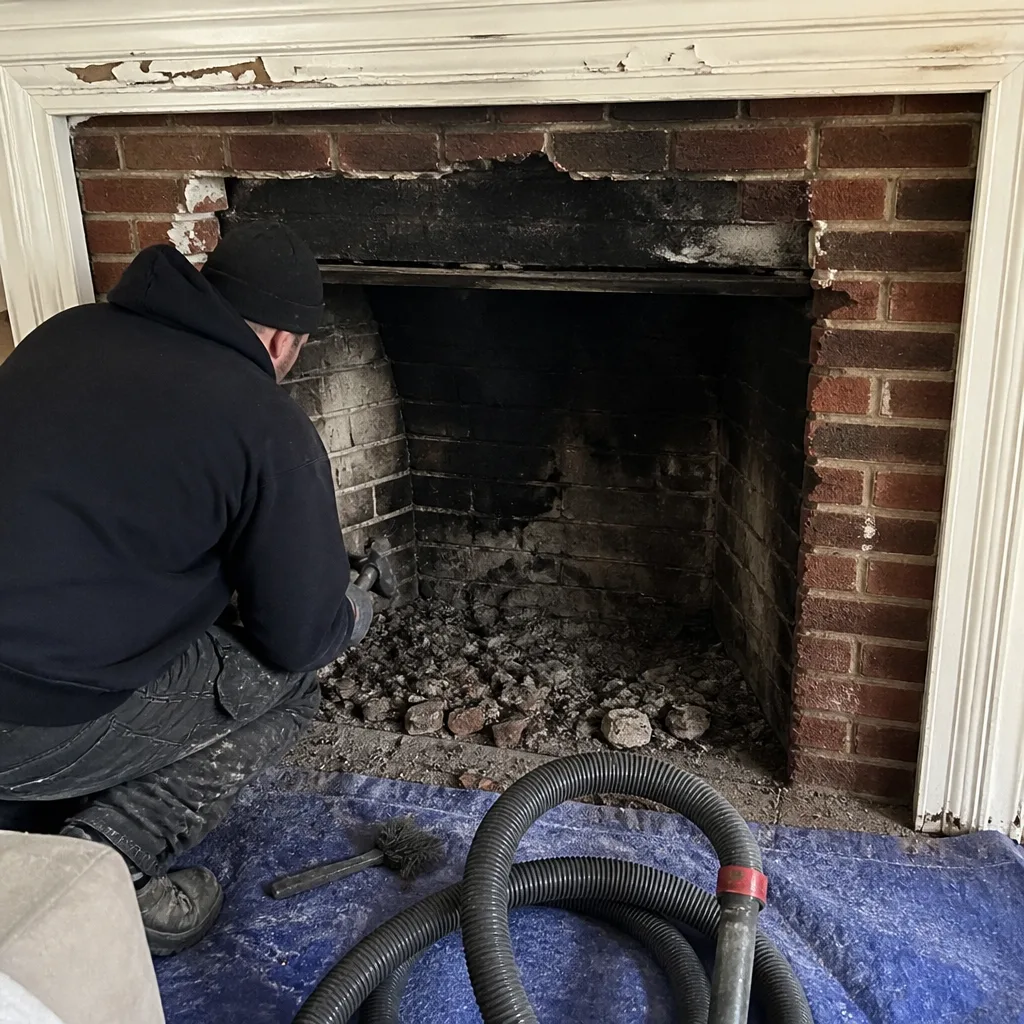 Before
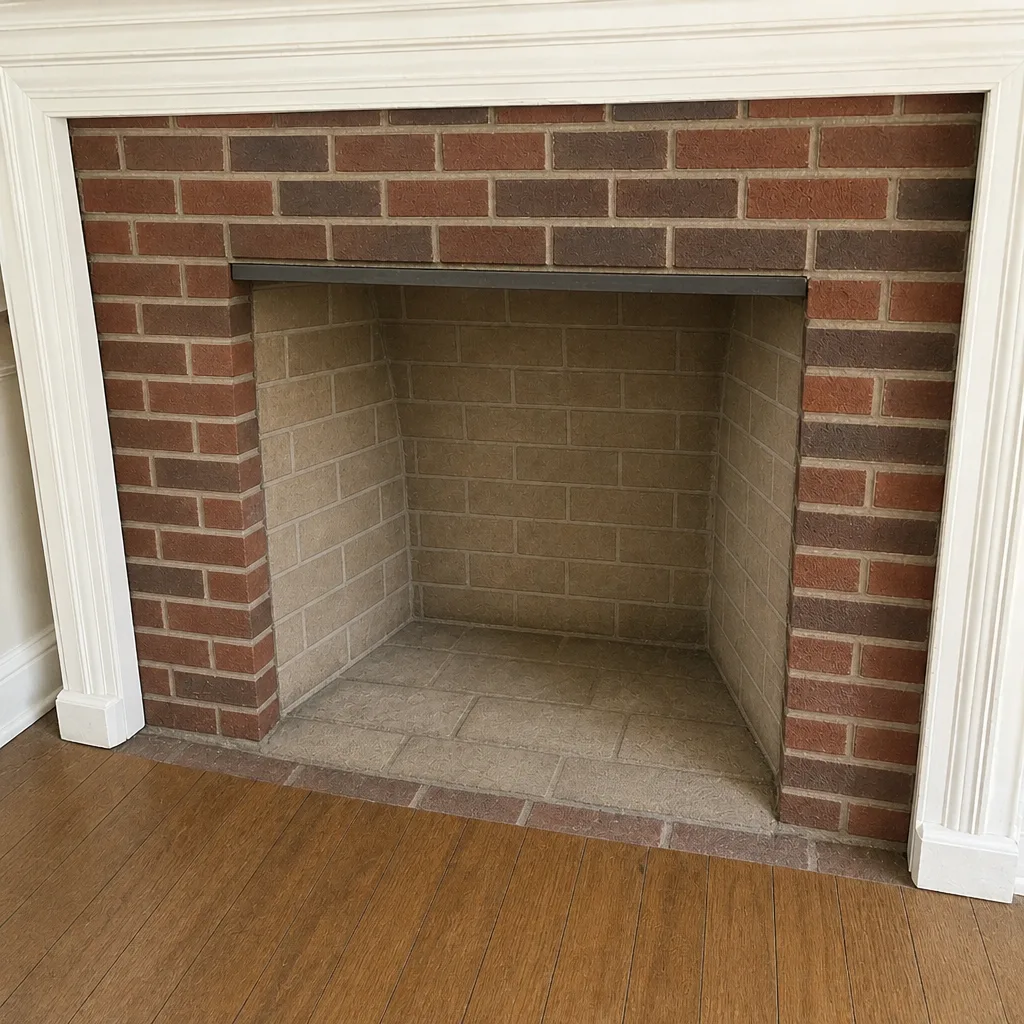 After
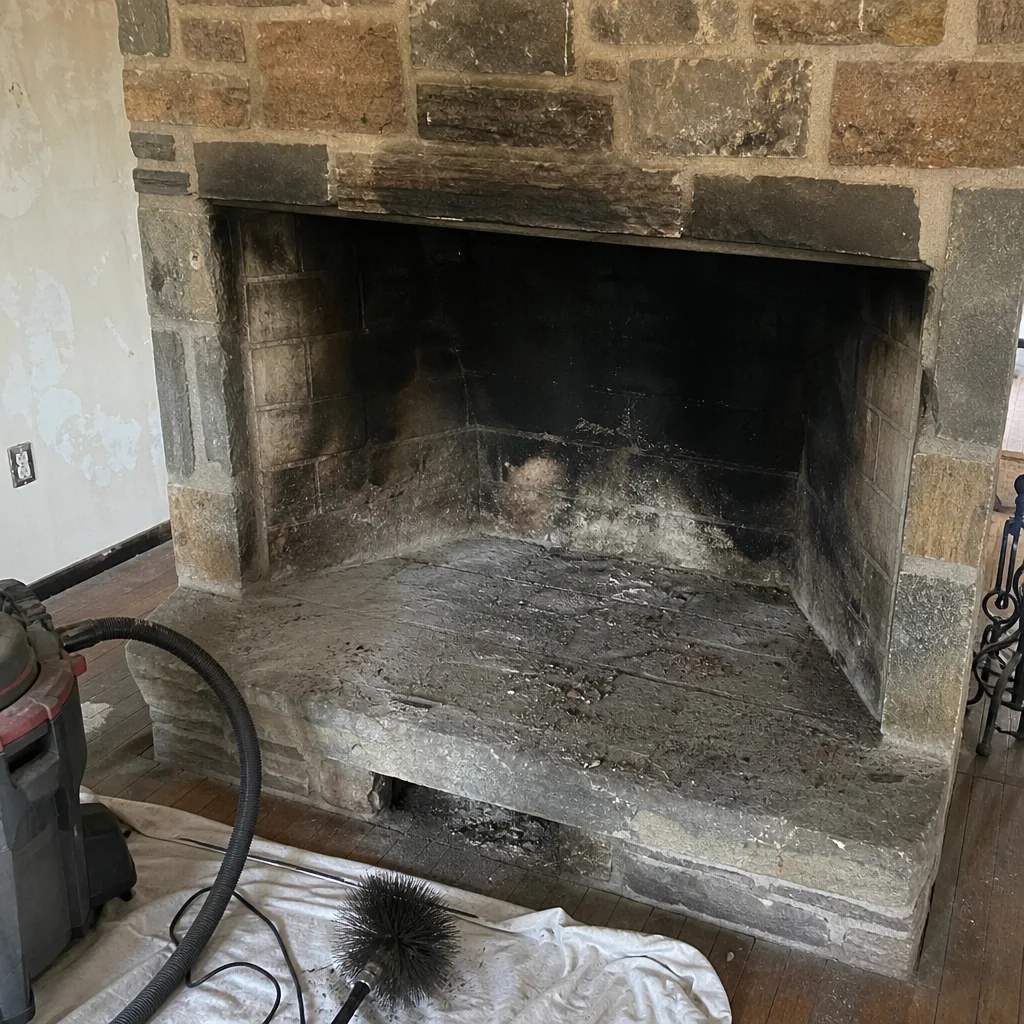 Before
 After
 Before
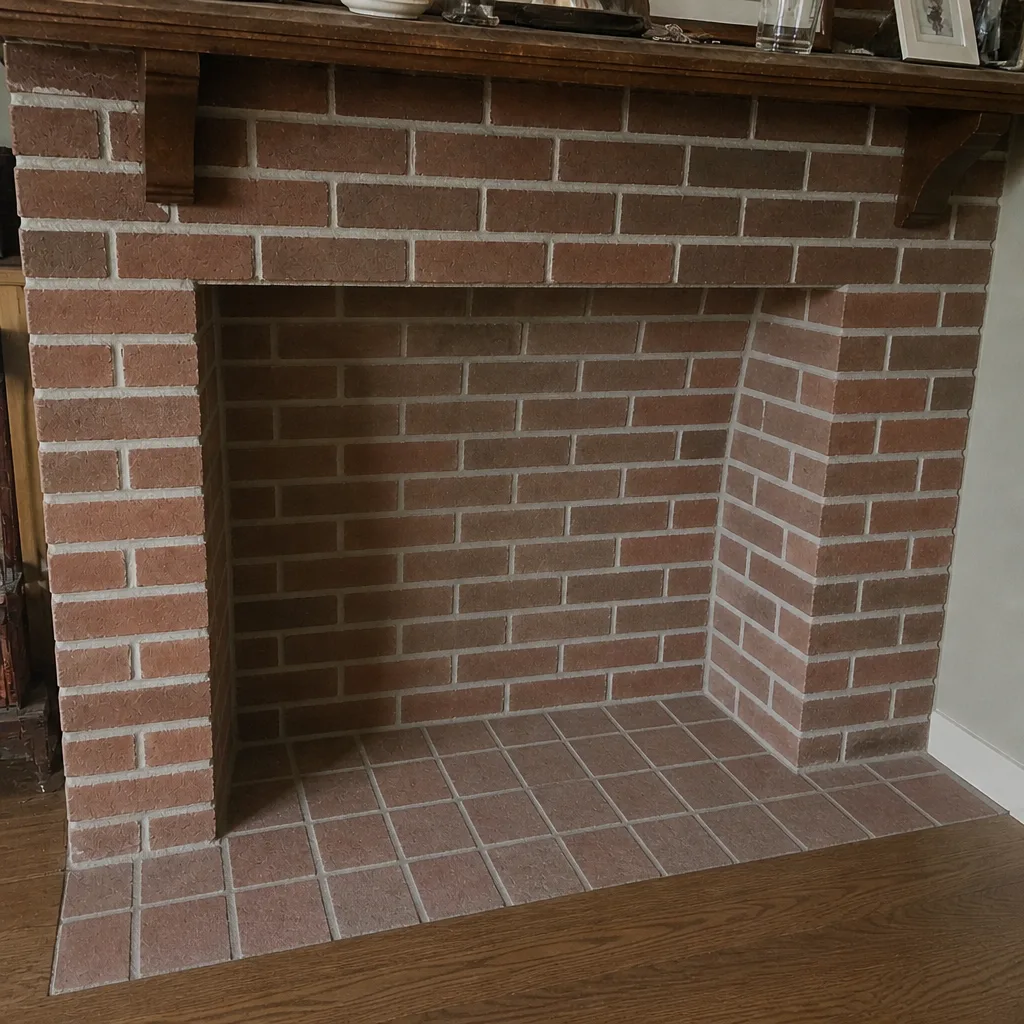 After