
Last updated November 22, 2026
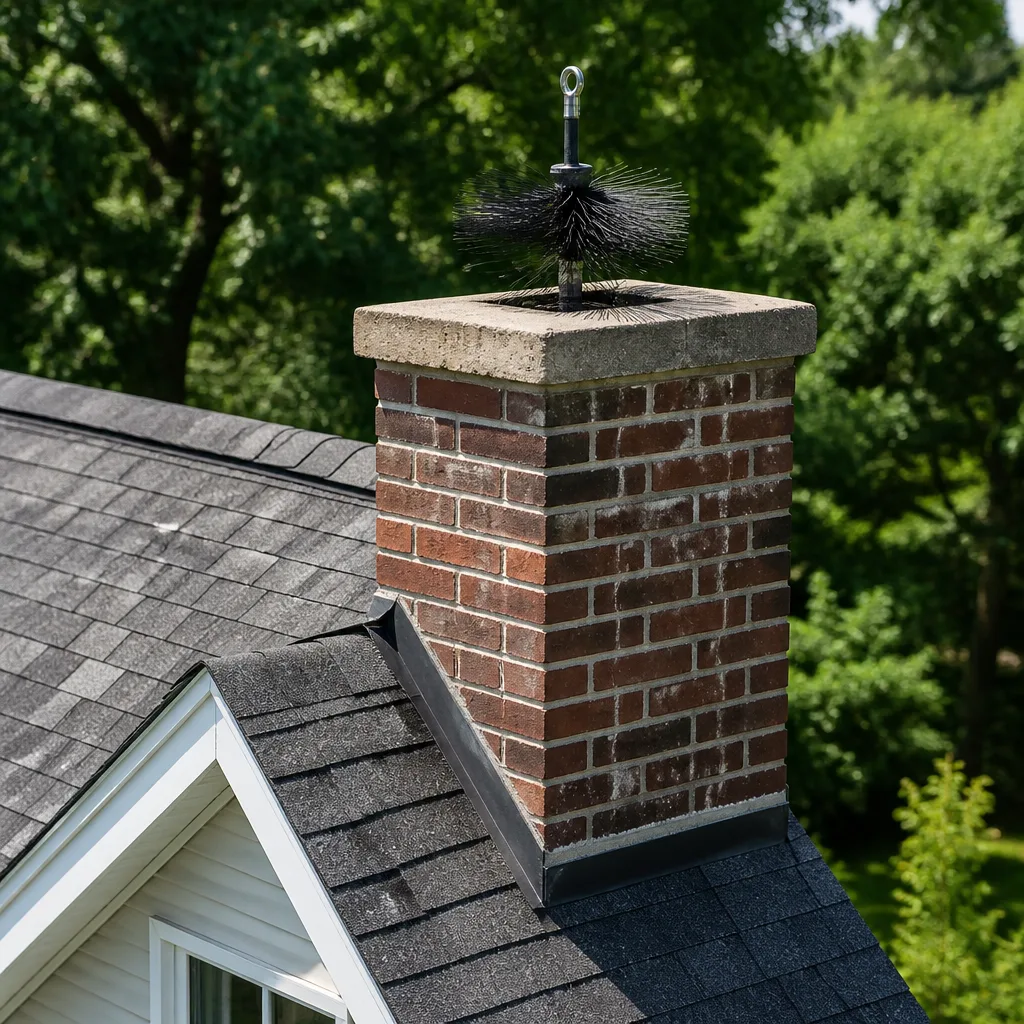 Sweep & inspection
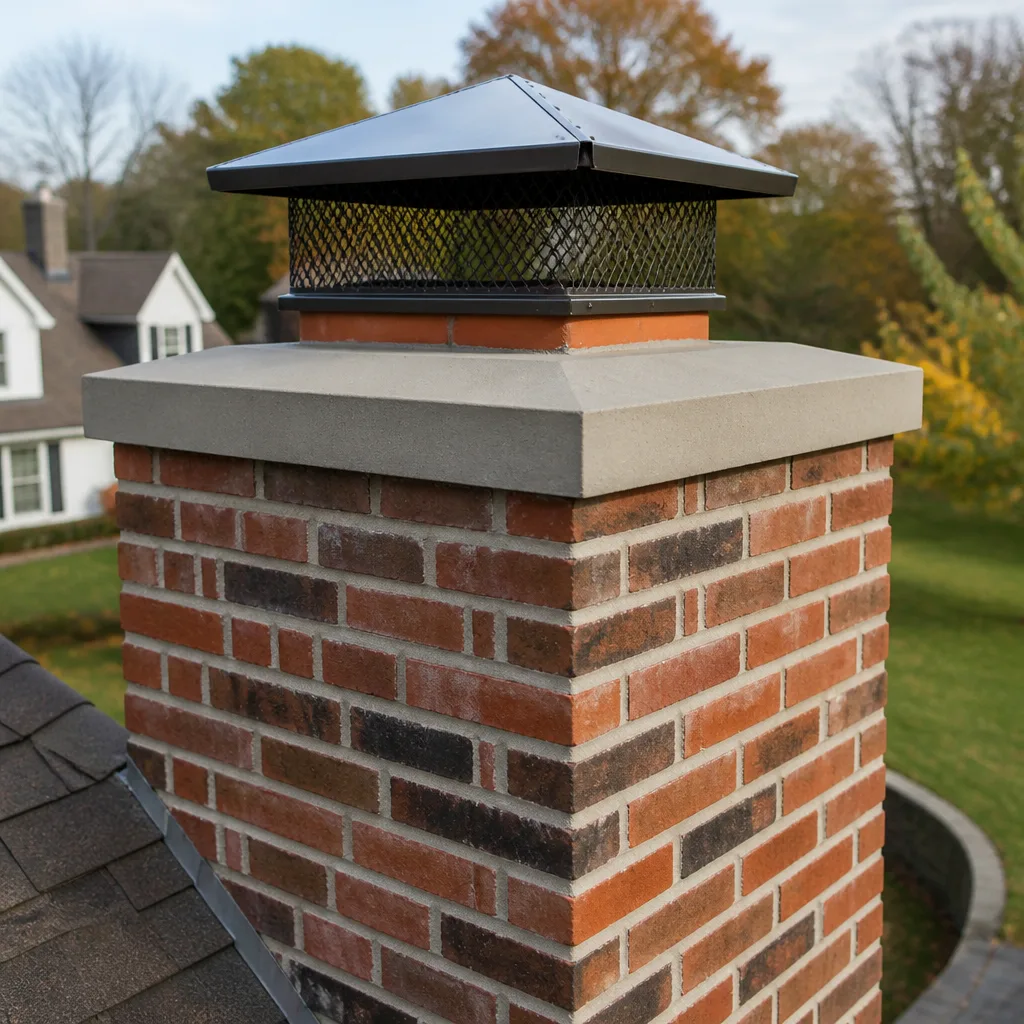 Caps & crowns
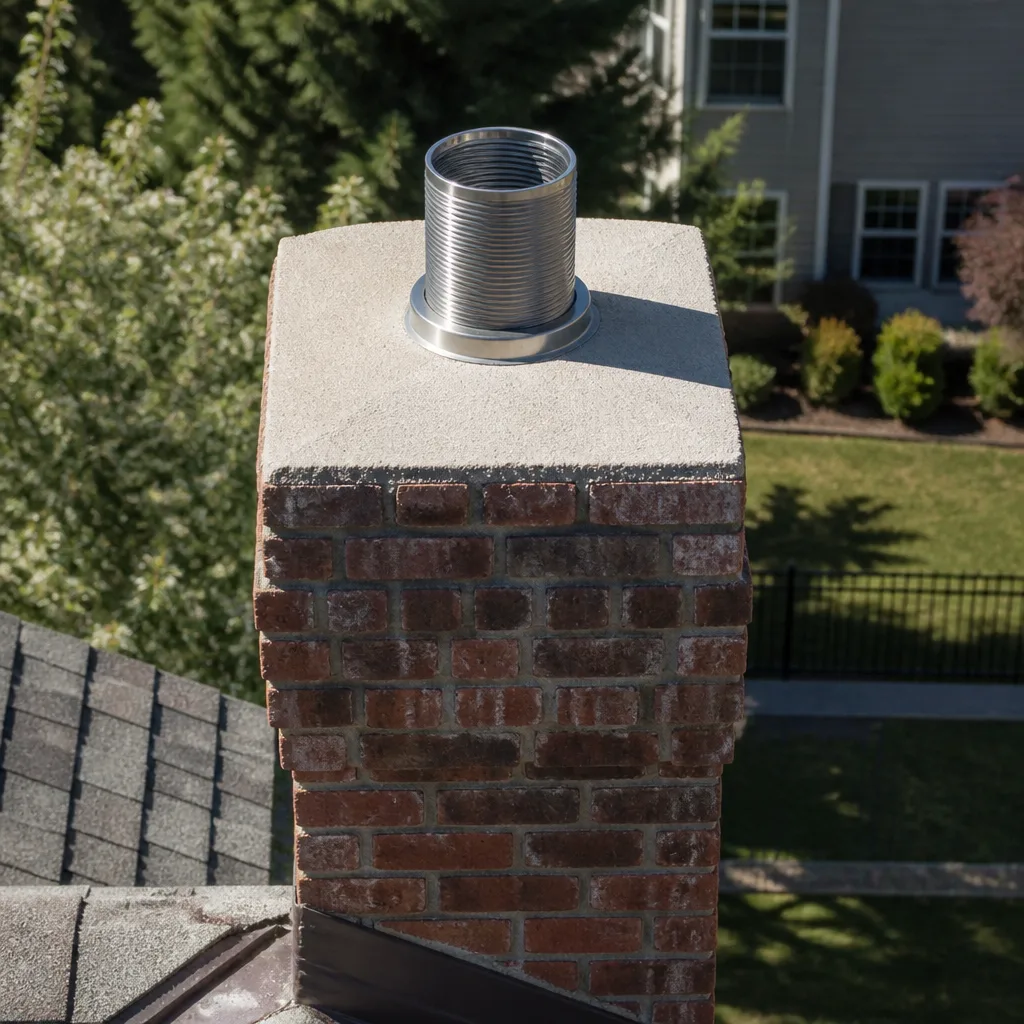 Flue relining
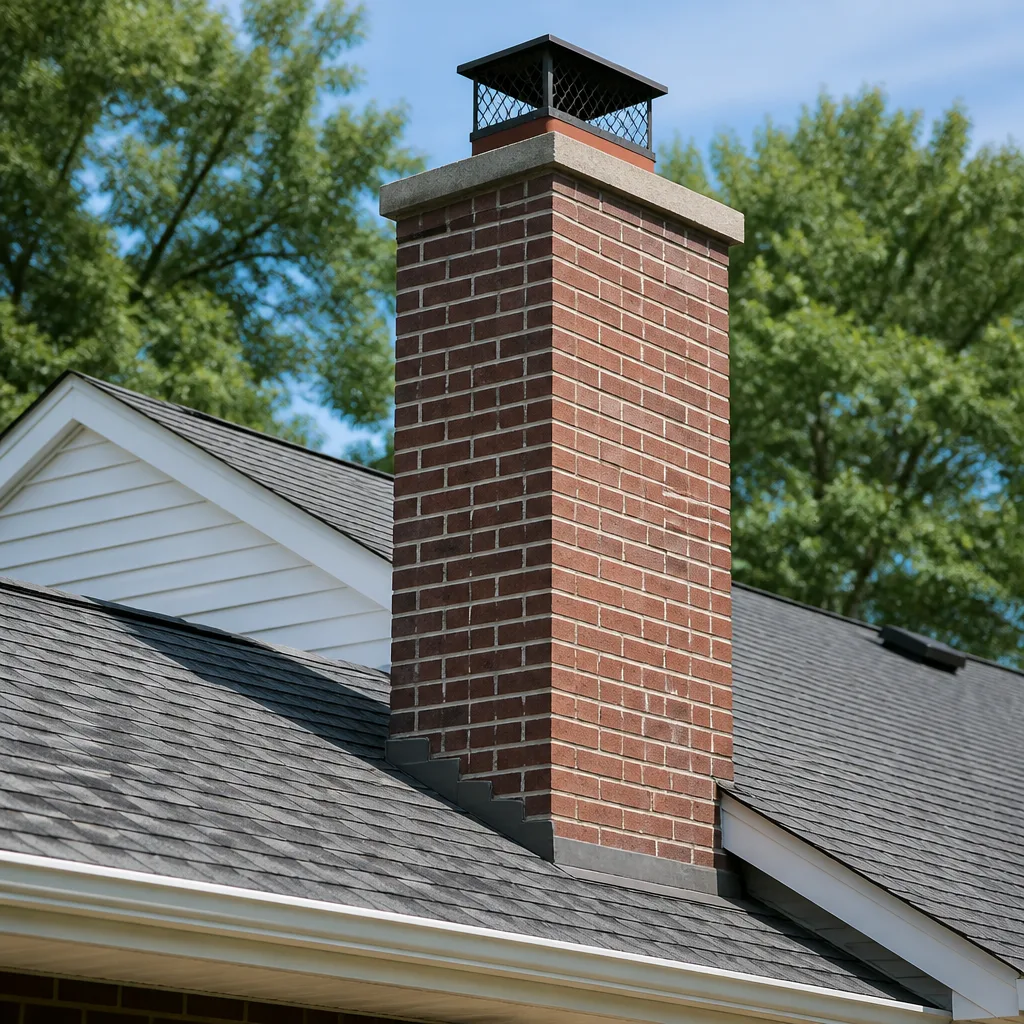 Masonry repair
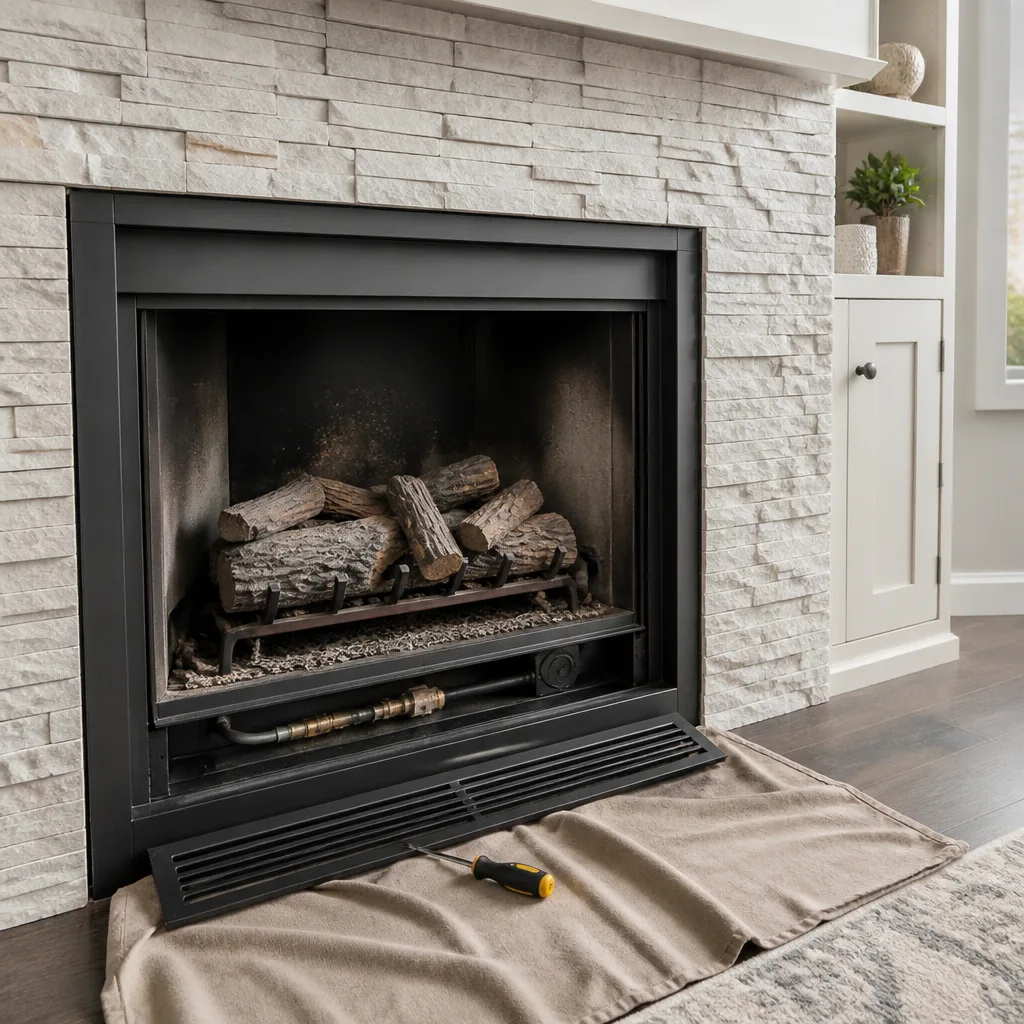 Gas fireplace service
Level 1 sweep and inspection to the NFPA 211 annual standard - flue, crown, cap, and flashing checked and photographed
Chimney sweep logs do not sweep chimneys. They loosen some creosote - which then falls where a brush and vacuum still have to collect it.
How to Hire a Chimney Cleaning Contractor in Gravesend: A Step-by-Step Guide
New York State does not require a chimney sweep to hold any license. That single fact reshapes this whole task. Anyone with a brush and a van can print a business card, take your money, and disappear before the season’s first fire. It means the screening work falls entirely on you, the homeowner, and it means the questions you ask before booking matter more than the price you’re quoted. In this guide, we walk you through the vetting sequence we’d use ourselves if we were hiring someone to clean and inspect our own chimney in Gravesend, from reading credentials correctly to verifying insurance and reading a legitimate estimate.
Quick Answer
To hire a chimney cleaning contractor in Gravesend, verify two things first: that the sweep holds a CSIA Certified Chimney Sweep credential (or equivalent documented training) and that their liability insurance specifically covers chimney work, not just general contracting. Then ask what liner system they install and whether they perform a camera inspection with a written report. A contractor who passes all four checks is worth the call; one who can’t answer any of them isn’t.
Styles & brands we work with
- Sweep & inspection
- Caps & crowns
- Flue relining
- Masonry repair
- Gas fireplace service
Table of Contents
- Why There’s No License to Check in New York
- CSIA vs. NFI: Which Credential Actually Matters
- Five Questions to Ask Before You Book
- Red Flags Specific to Low-Bid Chimney Operations
- What a Legitimate Estimate Should Include
- How to Verify Insurance for Chimney Work
- What’s Different About Chimneys in Gravesend
- When to Book Your Sweep
Why There’s No License to Check in New York
Most homeowners assume a chimney sweep is licensed the way an electrician or plumber is. In New York State, that assumption is wrong. Chimney sweeping and chimney repair are not licensed trades at the state level, which means there’s no database to search and no license number to confirm. Anyone can hang a shingle.
That’s not a reason to panic; it’s a reason to change your screening method. When a license exists, you check it and move on. When it doesn’t, you have to verify training, insurance, and competence directly. We’ve seen this reality play out across Gravesend for years: the homeowner who hires on price alone often ends up paying twice, once for the original sweep and again for the repair the first contractor missed or caused.
Because the state won’t do the vetting, the burden shifts to you. Here’s what that means in practice:
- You can’t rely on a license number. Ask for a certification instead, and verify it with the issuing body.
- You can’t assume insurance exists. Ask for a certificate of insurance and read it, because chimney work often falls outside a general contractor’s policy.
- You can’t assume competence from a business card. Ask technical questions and listen for whether the answers sound like someone who actually works on chimney systems.
Gravesend’s housing stock makes this more important, not less. Many homes here are older, with masonry chimneys that have been through decades of freeze-thaw cycles. A sweep who doesn’t understand how those chimneys age will miss the problems that matter most.
CSIA vs. NFI: Which Credential Actually Matters
The two credentials you’ll see most often are CSIA Certified Chimney Sweep and NFI certification. They certify different things, and knowing the difference tells you whether a contractor is qualified for the work you actually need.
CSIA (Chimney Safety Institute of America) certification is the sweep’s credential. It covers sweeping technique, inspection standards, and an understanding of chimney and venting systems. A CSIA-certified sweep has passed a written exam and committed to a code of ethics. For a basic cleaning and a level-one inspection, this is the credential to look for.
NFI (National Fireplace Institute) certification is the installer’s and technician’s credential. It focuses on hearth appliances: wood stoves, gas fireplaces, inserts, and the venting that goes with them. If your work involves a stove installation or a fireplace system repair, NFI training is a strong signal.
Here’s the practical breakdown:
- For routine sweeping and inspection: CSIA certification is the baseline. Ask for the certification number and verify it through the CSIA directory.
- For liner work and relining: Look for a contractor who does liner work as a core service, not an occasional add-on. Neither credential alone proves liner competence; hands-on repair experience does.
- For fireplace or stove service: NFI certification is worth asking about.
A contractor who holds both, or who holds one and can explain clearly why they don’t need the other, is usually the real thing. A contractor who claims to be “certified” without naming the certifying body is telling you something too.
Five Questions to Ask Before You Book
These questions are designed to separate people who sweep chimneys from people who understand chimney systems. Ask them on the phone, before you commit to a booking. A real sweep will answer them plainly. A low-bid operator will stumble.
- “What liner system do you install?” Listen for a brand name: DuraFlex, Copperfield, or a comparable professional-grade system. “Stainless steel” is not an answer; it’s a category. A contractor who can’t name the specific liner product they use doesn’t install liners often enough to be trusted with yours.
- “Do you do a camera inspection, and will I get a written report?” The answer should be yes to both. A visual sweep of the flue from the top is not an inspection. A camera inspection shows you the interior of the flue, and the written report documents what was found.
- “What happens if you find a problem?” The right answer: they document it, explain what it means, and give you options, including “this can wait.” The wrong answer: they can fix it today for a price they’ll quote on the spot.
- “Are you insured for chimney work specifically?” See the insurance section below. The answer should be immediate and specific, not a vague “yes, we’re fully insured.”
- “What’s your estimate process?” The answer should include a written scope, materials by brand, and the price fixed before work begins. If they can’t describe their own estimate process, the price you get won’t be the price you pay.
These five questions take two minutes to ask. They filter out most of the problems before they start. When we quote a sweep in Gravesend, we expect these questions, and we answer them before the job is booked, not after.
Red Flags Specific to Low-Bid Chimney Operations
The lowest quote is almost never the cheapest outcome. Low-bid chimney operations are structured around a business model that depends on finding or creating extra work, and the red flags are specific once you know what to look for.
- No camera inspection. A company that sweeps without a camera and hands you a verbal “all clear” hasn’t inspected anything. You have no way to verify what’s inside your flue, and neither do they.
- No written report. If the findings aren’t on paper, they don’t exist. A legitimate contractor documents what they saw and gives you a copy, whether or not you hire them for repair work.
- Upselling a liner on the same visit. Sometimes a liner needs replacing immediately. But a contractor who sweeps and then immediately recommends a full reline, without documentation showing why, is either guessing or selling. Ask for the camera footage. If they can’t produce it, you don’t owe them a decision on the spot.
- No specific materials named. “Stainless steel liner” without a brand, gauge, or sizing calculation is a red flag. Real liner work involves matching the product to the flue dimensions and the appliance.
- Cash-only, no paper trail. A contractor who won’t put a scope and price in writing is telling you what your recourse will be if something goes wrong.
- Pressure to decide today. Nothing about a chimney sweep requires a decision before you’ve seen the documentation. Urgency on a non-emergency job is a sales tactic.
Gravesend homeowners know their neighborhoods, and this is where that matters. A contractor who can’t tell you how the masonry chimneys on their block typically age, or what our climate does to crown joints over a winter, is a contractor who hasn’t worked here much.
What a Legitimate Estimate Should Include
A real chimney estimate is a document, not a number spoken at the door. It should tell you exactly what’s being done, what’s being installed, and what the final price covers. If any of the following is missing, ask for it before you sign anything.
- Scope of work, in plain language. What’s being swept, what’s being inspected, what’s being repaired or installed. “Sweep and inspect” is not a scope; “sweep the flue from the top, run a camera inspection, provide a written report on flue condition” is.
- Materials by brand and gauge. If a liner is being quoted, the estimate should name the liner product (DuraFlex, for example) and the wall gauge of the steel. Gauge is a quality signal; a thinner liner wears faster.
- Liner sizing calculation. The liner has to match the flue and the appliance. A proper estimate states the flue dimensions and the liner size chosen to fit.
- Warranty terms. Who honors the warranty on the material, who honors it on the labor, and what the duration is. Get it in writing.
- Price, fixed. The written estimate sets the final price. If the contractor’s “estimate” is a range that expands once the work begins, it isn’t an estimate.
When we put together an estimate for a Gravesend home, we include all five. Not because it’s a selling point, but because a customer who can read the scope and the materials is a customer who can make a real decision. We name the brands we install because materials matter as much as labor.
For a full breakdown of the work involved in cap and crown installation, see our chimney cap & crown page.
How to Verify Insurance for Chimney Work
General contractor liability policies often exclude chimney work, or don’t cover it in the way a homeowner might assume. Roof access, working at height, and hot-work exposure are all underwriting categories that some policies either exclude or cover only with a rider. A contractor who is “fully insured” for remodeling isn’t necessarily insured for the work you’re hiring them to do.
Here’s how to verify:
- Ask for a certificate of insurance. This is a standard one-page document from the contractor’s insurer listing policy types and limits. Don’t accept a verbal confirmation.
- Ask the contractor to have their insurer email it to you directly. A certificate that comes from the insurer is harder to fake than a photocopy.
- Check the policy type. General liability is the baseline. If the contractor is doing repair or installation work, ask whether the policy covers chimney and fireplace work specifically.
- Ask about workers’ comp. If the contractor brings another person to your home, workers’ comp matters. If they don’t carry it, an injury on your property could come back to you.
- Ask for a scope-of-work endorsement. For larger jobs, the insurer can confirm in writing that the specific work is covered.
A legitimate contractor will have a certificate ready to send and won’t be surprised by the request. The local pro doing the work should be insured as their state requires, and the paperwork should back that up.
What’s Different About Chimneys in Gravesend
Gravesend sits in Brooklyn, which means most of the homes here are older than they look. Masonry chimneys that were built for coal furnaces or early wood stoves have been modified, relined, or used for a different appliance than they were designed for. That history is where most of the problems sit.
The local climate does specific things to a chimney. Winters here cycle through freeze and thaw, and each cycle pushes water deeper into the masonry joints. Over several winters, that freeze-thaw cycle widens cracks in the crown, opens mortar joints, and lets water into the flue. A sweep who knows what to look for on a Gravesend chimney will spot that wear during an inspection. A sweep who doesn’t will call it normal.
Older Gravesend homes with brick chimneys also tend to have a flue sized for a larger appliance than what’s now connected. That mismatch matters when it’s time to reline, because the liner has to match the current appliance, not the original. A generalist who hasn’t done liner work in a Brooklyn masonry chimney may not catch that mismatch or may size it wrong.
This is also why we recommend a camera inspection on every job, not just the ones where something looks off. The inside of a Gravesend flue is often where the real story is, and it’s invisible from the top of the ladder. Our chimney repair work is informed by years of hands-on experience reading what these chimneys show us.
When to Book Your Sweep
The best time to book a chimney sweep in Gravesend is late summer or early fall, before the heating season starts. Once the weather turns and fireplaces are lit again, the calendar fills and same-week appointments disappear.
If you don’t know the last time your chimney was swept, book now. If you bought a home in Gravesend and don’t have records from the previous owner, book now. If you’ve been using the fireplace every winter without a sweep and inspection, book now. The urgency is seasonal, not hourly, but it’s real.
We don’t want to overstate it: a chimney that’s been swept and inspected recently probably doesn’t need to come off the calendar for a new appointment right away. But if it’s been more than a year, or if you’ve never seen the inside of the flue on camera, there’s no reason to wait.
Call (855) 342-5978 for a free estimate. We answer 24/7. Fast dispatch from 7am to 7pm, Sunday through Friday.
Common Mistakes to Avoid
- Hiring on price alone. The lowest quote usually reflects the smallest amount of work being done, not the most value being delivered. A sweep that costs less and skips the camera inspection and written report costs you more later.
- Assuming “fully insured” covers chimney work. Many general contractor policies exclude chimney work, roof access, or hot-work exposure. Ask for the certificate and read the scope.
- Accepting a verbal all-clear. Without a camera inspection and a written report, you have no way to know what’s actually in your flue. “Looks fine from the top” isn’t an inspection.
- Agreeing to liner work on the same visit. If a liner needs replacing, that’s a real finding. But it needs documentation you can see. Ask for the footage and the sizing calculation before you decide.
- Skipping the crown and cap check. Gravesend’s freeze-thaw cycles wear down crowns and caps, and those are weatherproofing, not decoration. A sweep who doesn’t check them is missing half the inspection.
- Not asking for the liner brand. “Stainless steel” is a category, not a product. A real sweep names the liner system they install.
- Using a generalist for chimney repair. Chimney repair is a specialty. A handyman who “can do it” isn’t the same as a contractor who works on chimney systems as their main trade.
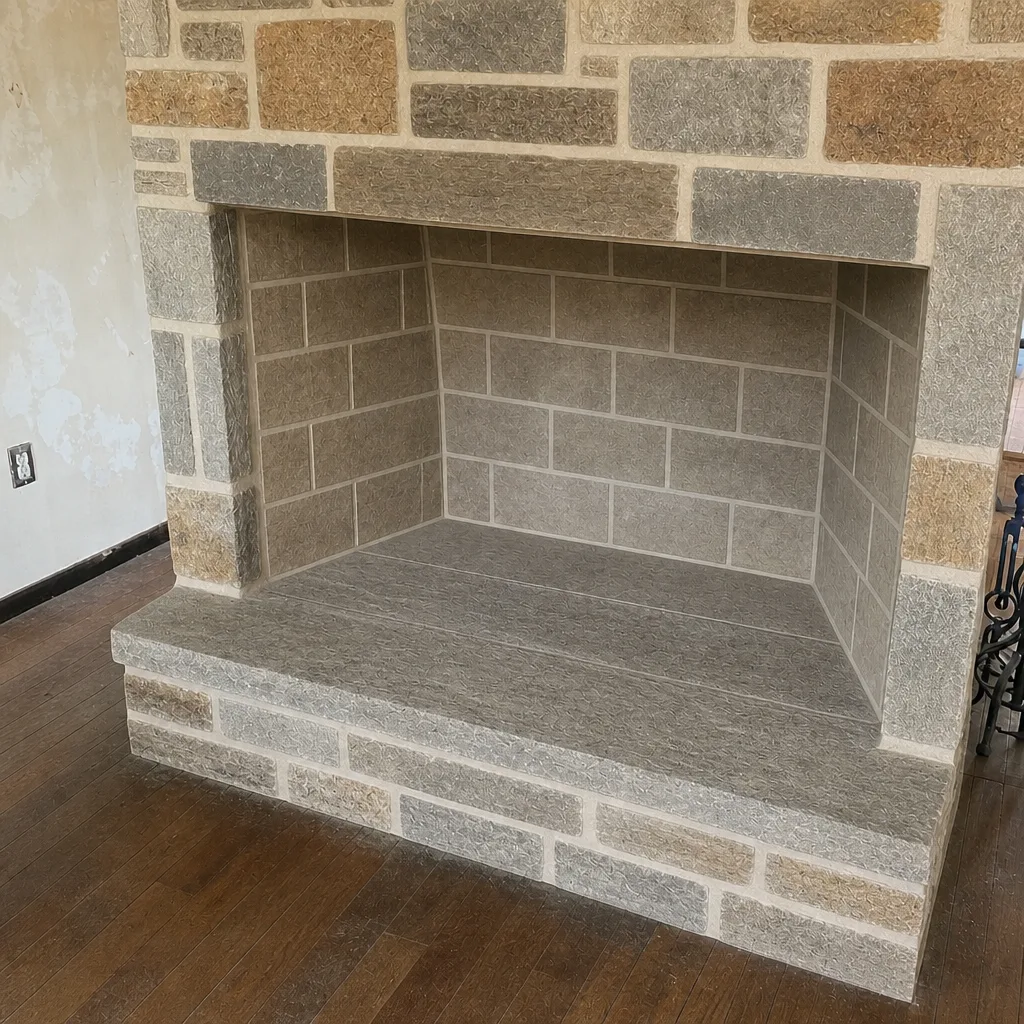
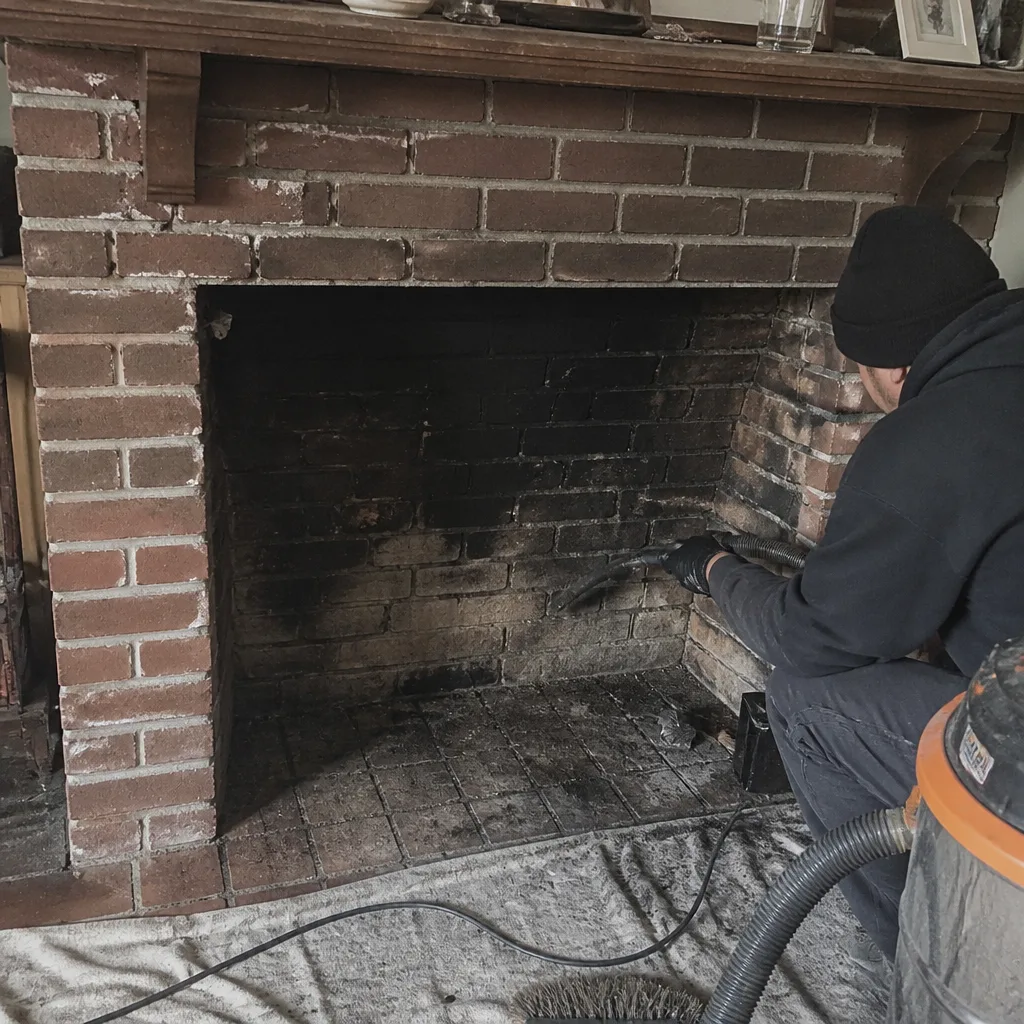
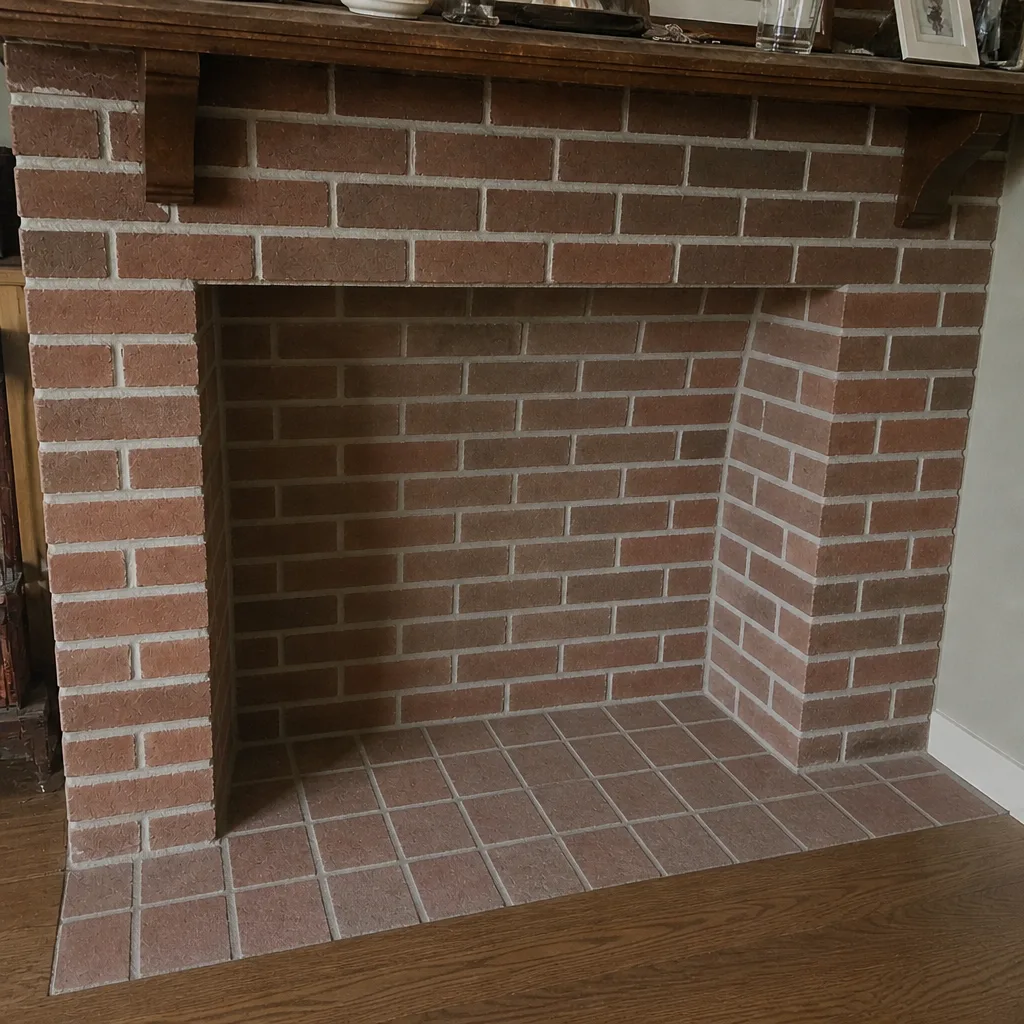
See the difference
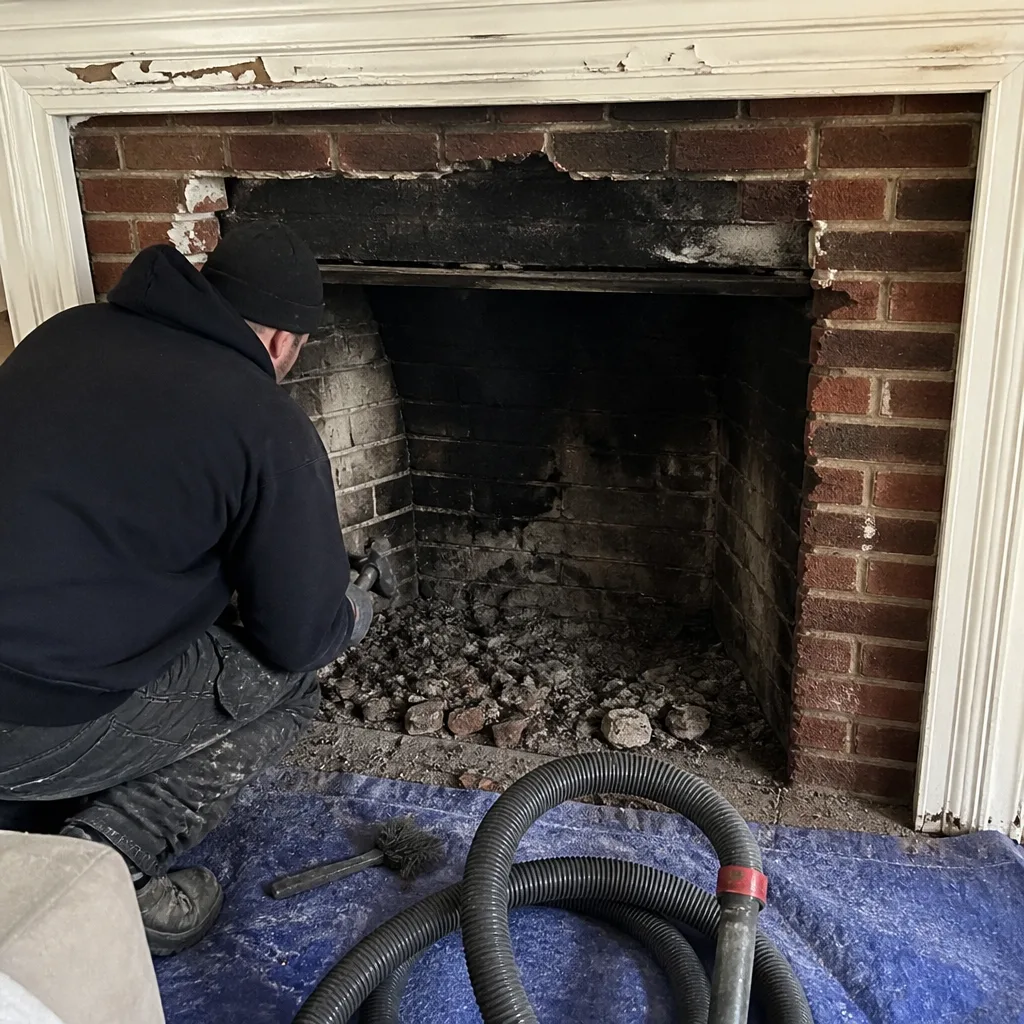 Before
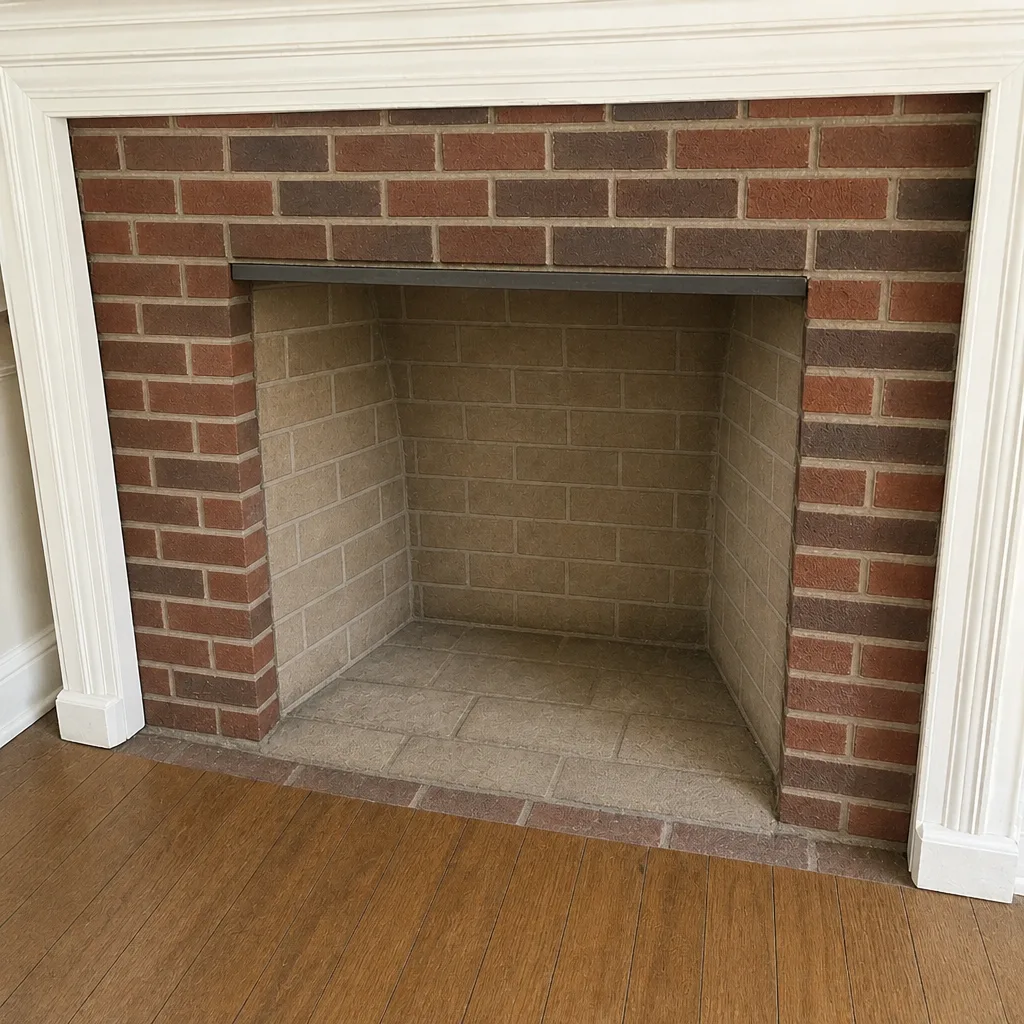 After
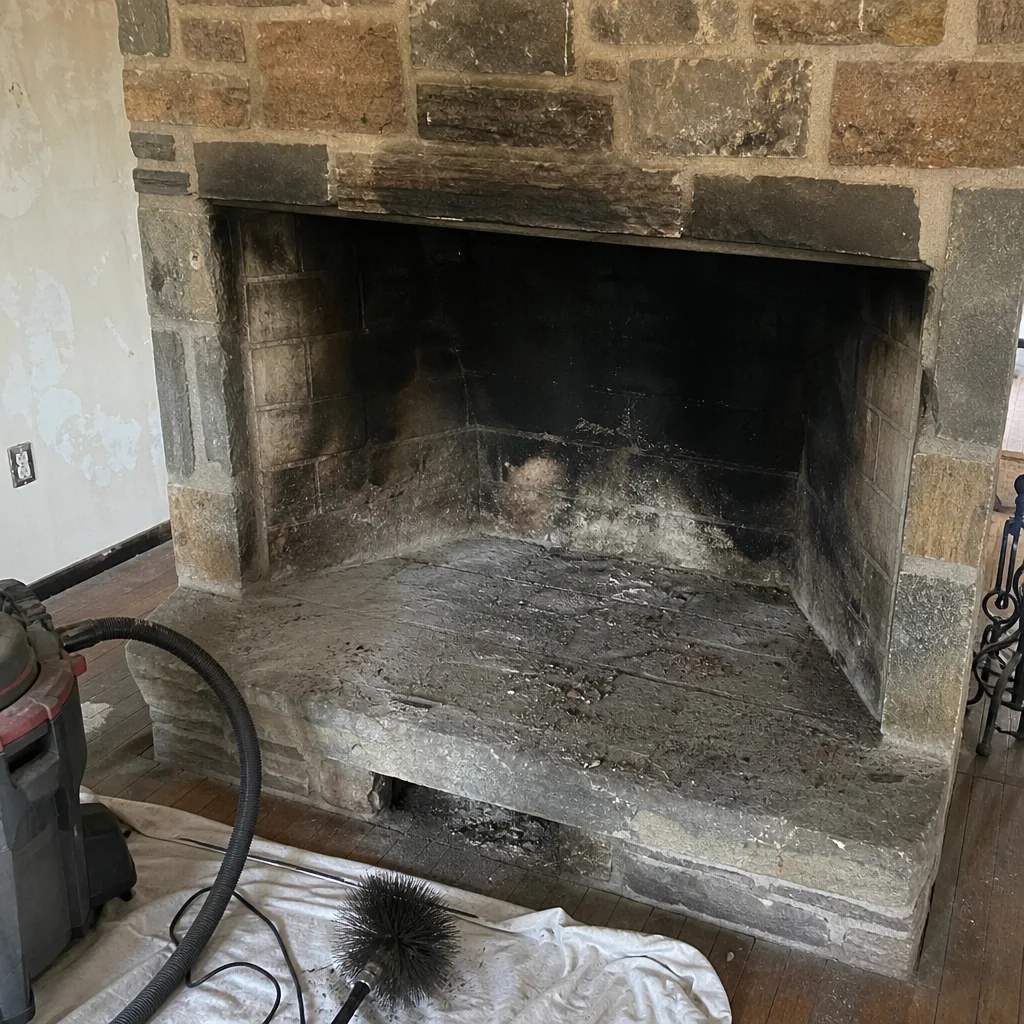 Before
 After
 Before
 After
When to Call a Professional
Some chimney work should never be a homeowner project. High-access work on the roof, high-tension repair, and any work involving the flue interior, electrical systems around a fireplace, or gas lines belongs with a trained professional. Carbon monoxide risk is real and the symptoms can be easy to dismiss; a properly functioning chimney is the venting system that keeps combustion gases out of your home. Don’t try to inspect or clean the flue from the inside yourself.
Call a professional when:
- You haven’t had the chimney swept in over a year.
- You smell a strong smoky odor in the house when the fireplace isn’t in use.
- You see staining, crumbling, or loose mortar on the chimney’s exterior.
- You hear water in the flue during rain.
- You’re buying or selling a Gravesend home and need documentation on the chimney.
- You’re switching fuel types or installing a new appliance.
Chimney Sweep Gravesend offers free estimates in Gravesend. Call (855) 342-5978 to book an inspection and get a written report you can see for yourself.
For the full scope of our services, start with our Chimney Sweep Gravesend page.
Frequently Asked Questions
Basic chimney sweeping in Gravesend typically runs in the low-to-mid hundreds of dollars, with inspection-only visits usually lower and repair work priced separately. The written estimate sets the final price, and the estimate is free. Call (855) 342-5978 for an exact quote.
CSIA certification is the credential to look for on a basic sweep and inspection, because New York doesn’t license chimney sweeps and CSIA is the clearest documented training standard. For liner work or fireplace repair, ask specifically about the contractor’s hands-on repair experience on top of any certification. Call (855) 342-5978 and we’ll walk you through what your job actually needs.
Not always, and no honest contractor should tell you otherwise without documentation. A new liner is needed when the existing flue lining is cracked, deteriorated, or mismatched to the appliance, and you should see the camera footage and the written report before agreeing. Call (855) 342-5978 for a free estimate and an honest read on whether the liner work can wait.
Once a year for most homes with an active fireplace or wood stove, and more often if you burn frequently or burn unseasoned wood. Gravesend’s freeze-thaw winters also make an annual crown and cap check worthwhile, since those are the places water gets in. Call (855) 342-5978 to book a sweep and inspection.
Creosote builds up inside the flue each time you burn, and once it reaches a certain thickness it can ignite. A blocked or damaged flue also stops venting combustion gases properly, which is where carbon monoxide risk comes from. Neither is an emergency every day, but both are the reason annual sweeping exists. Call (855) 342-5978 for a free estimate and get the chimney on a schedule.
Professional-grade liner systems like DuraFlex, HeatShield (for ceramic resurfacing), and Copperfield are the names to listen for, because those are the products working chimney specialists actually install. A contractor who can’t name the liner product they use is telling you they don’t do liner work often enough to trust. To see how we work with these materials, read our chimney sweep page.
The Bottom Line
Hiring a chimney contractor in Gravesend comes down to a short list of checks: verify the certification (CSIA for sweeping, NFI for appliance work), verify insurance that specifically covers chimney work, ask what liner system they install, and expect a camera inspection with a written report. A legitimate estimate names the materials by brand and gauge, states the liner sizing calculation, and fixes the price in writing. If any of those pieces is missing, the quote is too low for the reason you’d rather not find out later. Call (855) 342-5978 and we’ll send a written estimate you can read at your own pace.
Written by the team at Chimney Sweep Gravesend.